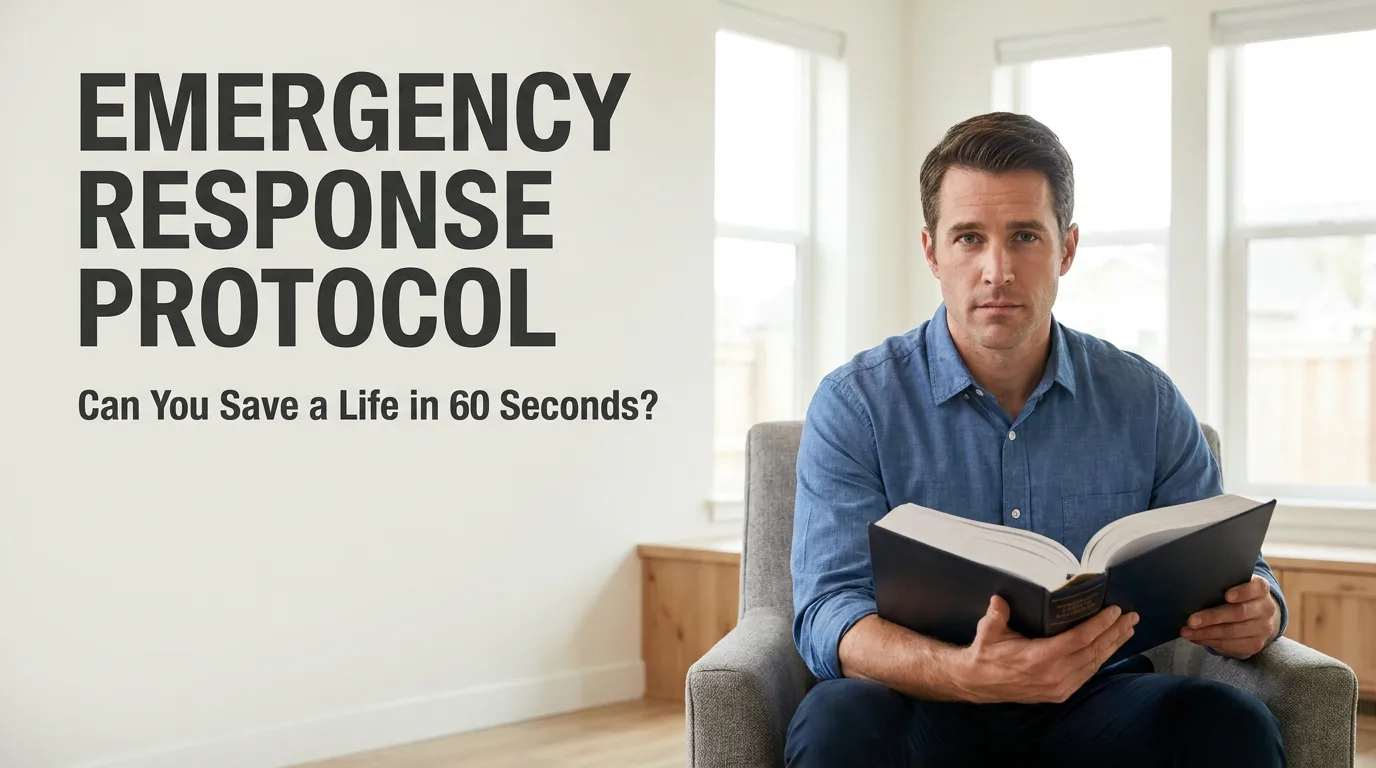
I will never forget the time my little nephew started choking on a piece of food right in front of me during a family dinner. For a few seconds, my mind went totally blank and I just stood there frozen in fear while his face turned red. It was the scariest moment of my life, and that feeling of helplessness is why I promised myself I would never be unprepared again.
An emergency often strikes when you least expect it, turning a quiet evening into a race against time. Most people assume that calling for help is the only step required, but the minutes before an ambulance arrives are often the most important for survival.
You must realize that being a bystander is no longer an option when a loved one is in distress. Developing a personal safety guide is about more than just avoiding street crime; it is about having the tools to act when a heart stops or an accident occurs.
According to the American Red Cross, immediate action can double or even triple the chances of survival in many household crises. You need to prepare your mind and your home before the chaos begins.
When you implement 5 essential tips for a securely life, you move from a state of worry to a state of absolute readiness. This article provides the roadmap you need to master the basics of immediate medical care.
The Mental Toll of Helplessness: Facing the Reality of Accidents
Imagine standing over a family member who is choking or bleeding heavily while you have no idea what to do. This feeling of absolute helplessness is one of the most painful experiences a person can face in their own home.
Most people freeze during a crisis because they have never practiced a response protocol. The panic that follows often lead to incorrect actions that might even worsen the injury or delay professional help.
This lack of preparedness causes deep emotional and physical distress in several ways:
- The Weight of Regret: Realizing you could have helped if you had spent an hour learning a skill can haunt you for years.
- Frozen Indecision: Without a plan, your brain enters a loop of fear, making it impossible to communicate clearly with emergency dispatchers.
- Secondary Injuries: Attempting to move a victim or apply pressure without training can cause permanent damage to the body.
- Broken Trust: Family members look to each other for protection, and being unable to provide it creates a sense of vulnerability in the home.
Many search for a quick solution on the internet while a disaster is actually happening. Relying on a random video while someone is struggling for air is a recipe for disaster.
You must learn to how to trust your intuition for personal safety to recognize the signs of a medical emergency before it escalates. Turning into a capable first responder starts with accepting that emergencies are a part of life.
You deserve to feel confident and strong when your family depends on you the most. Mastering essential first aid skills everyone should know allows you to lead the situation instead of being overwhelmed by it.
The Survival Readiness Handbook: Step-by-Step Response Actions
To build a truly secure environment, you must combine medical knowledge with a high level of awareness. This involves understanding your surroundings and using modern tools to your advantage.
Using the best personal safety apps for loved ones can help you alert professionals the moment an accident occurs. However, your hands are still the primary tools for saving a life in those first few minutes.
1. Hands-Only CPR and AED Deployment
When a person’s heart stops beating, their survival depends on immediate chest compressions to keep oxygen-rich blood moving to the brain. Hands-only CPR is a simple yet powerful technique that anyone can perform without formal medical training.
You should push hard and fast in the center of the chest to the beat of a fast song like “Stayin’ Alive.” The National Institutes of Health emphasize that every second without blood flow increases the risk of permanent brain damage.
If your building or home has an Automated External Defibrillator (AED), use it as soon as it arrives. These devices provide clear voice instructions that walk you through basic CPR and AED steps with expert precision.
You should also practice situational awareness personal safety guide habits to locate medical equipment in public places. Knowing where the nearest AED is located can save precious minutes during a sudden cardiac event.
Check out this quick, life-saving video from the American Heart Association below! It shows the simple two-step process for hands-only CPR that can help you save a heart in just 60 seconds.
2. The Abdominal Thrust Technique for Choking
Choking is a silent emergency that often happens during a peaceful dinner or a social gathering. A piece of food or a small object can block the airway, making it impossible for the person to breathe or speak.
You must recognize the universal sign of choking, which is a person grabbing their throat with both hands. If they cannot cough or make noise, you need to perform the heimlich maneuver for choking immediately.
Stand behind the victim, wrap your arms around their waist, and pull inward and upward above the navel. This creates an artificial cough that can blast the obstruction out of the windpipe.
If you have a pet camera for real-time safety monitoring, you can even spot a choking incident involving a child or a pet from another room. This technology gives you an extra layer of eyes on your home at all times.
3. Managing Poisoning from Household Hazards
Many common indoor items can be dangerous if they are touched or eaten by children and pets. You must learn the basics of treating accidental poisoning from toxic plants that might be in your living room.
Some popular decorations are highly toxic and can cause heart issues or breathing problems if swallowed. You should always have the number for Poison Control saved in your phone for immediate consultation.
Do not try to make the person vomit unless a professional tells you to do so, as this can cause more damage. Instead, stay on the phone with the expert and follow their instructions until help arrives.
Being aware of your environment is a key part of your personal safety guide strategy. You should keep all chemical cleaners and dangerous plants in areas where they cannot be reached by vulnerable family members.
“Preparation is the only way to stay calm when the world around you is falling apart. Knowledge is the shield that protects your family from the unexpected.”
4. Severe Bleeding Control and Pressure Techniques
A deep cut from a broken window or a sharp tool can lead to dangerous blood loss in a matter of minutes. Your first priority is to apply direct and constant pressure to the wound using a clean cloth or bandage.
If the bleeding does not stop, you may need to use a tourniquet or a specialized pressure dressing. You should always keep home first aid kit essentials in a place that is easy to reach during a crisis.
Your emergency access through smart locks can also be a life-saver in this situation. You can unlock the door for paramedics while you continue to apply pressure to the wound without leaving the victim.
Stopping blood loss is a race against time that requires focus and strength. By staying calm and applying the right pressure, you prevent the person from entering a state of shock.
5. Electrical Burn Care and Cord Safety
Modern homes are filled with wires and gadgets that can pose a significant burn risk if they are damaged. You must master electrical cord safety and burn care to protect your family from invisible dangers.
If someone is suffering from an electrical shock, do not touch them until the power source is turned off. Use a non-conductive object like a wooden broom handle to push them away from the wire if the power cannot be cut.
For the burn itself, use cool running water for at least twenty minutes to stop the damage from spreading deeper. Never use ice, butter, or ointments on a fresh burn, as these can trap heat and worsen the injury.
Teaching your family these steps is as important as sharing 5 essential tips for a securely life with your neighbors. Safety is a community effort that starts with your own preparedness.
Developing these skills turns you from a worried bystander into a capable protector of your home. You owe it to yourself and your loved ones to be ready for the day that help is not immediately available.
Pro-Level Emergency Readiness Protocols
Once you understand the primary actions for survival, you must refine your approach to handle complex situations. Real-world accidents often involve multiple variables that can confuse even the bravest heart.
Applying essential first aid skills everyone should know is about more than just physical movement. It is about maintaining a sharp mind while your environment feels like it is spinning out of control.
Mastering Airway Management: The Recovery Position Protocol
If a person is breathing but remains unconscious, they face a silent risk of their tongue blocking their airway. You must learn the expert method of placing them in the “Recovery Position” to keep their path for air open.
Gently roll the person onto their side and use their leg to prop them up so they do not roll back. Tilt their head back slightly and place their hand under their cheek to keep the head stable.
According to the Mayo Clinic, this position allows fluids to drain from the mouth, preventing the victim from choking on their own saliva or vomit. You should monitor their breathing constantly until the professionals take over the scene.
Leveraging Smart Technology for Fast Emergency Access
Modern technology can act as your silent partner during a medical crisis in your home. You should integrate your safety skills with your digital tools to reduce the time it takes for help to reach you.
If you are performing CPR, you cannot leave the victim to open the front door for the paramedics. Use your emergency access through smart locks to grant entry to first responders from your smartphone while staying by the victim’s side.
You can also use a pet camera for real-time safety monitoring to keep an eye on other rooms or children while you manage the primary emergency. This allows you to stay informed about your entire household without breaking your life-saving focus.
Creating a Pro-Level Medical Response Kit for the Home
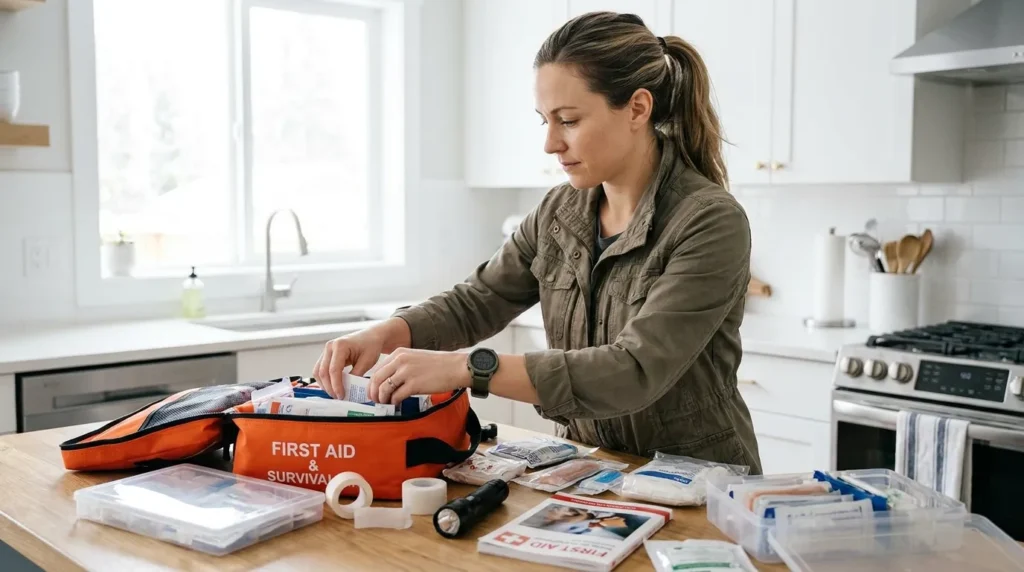
A basic box of bandages is not enough to handle a serious trauma or a sudden cardiac arrest. You must build a professional-grade kit that includes a tourniquet, a pocket mask for CPR, and a manual for quick reference.
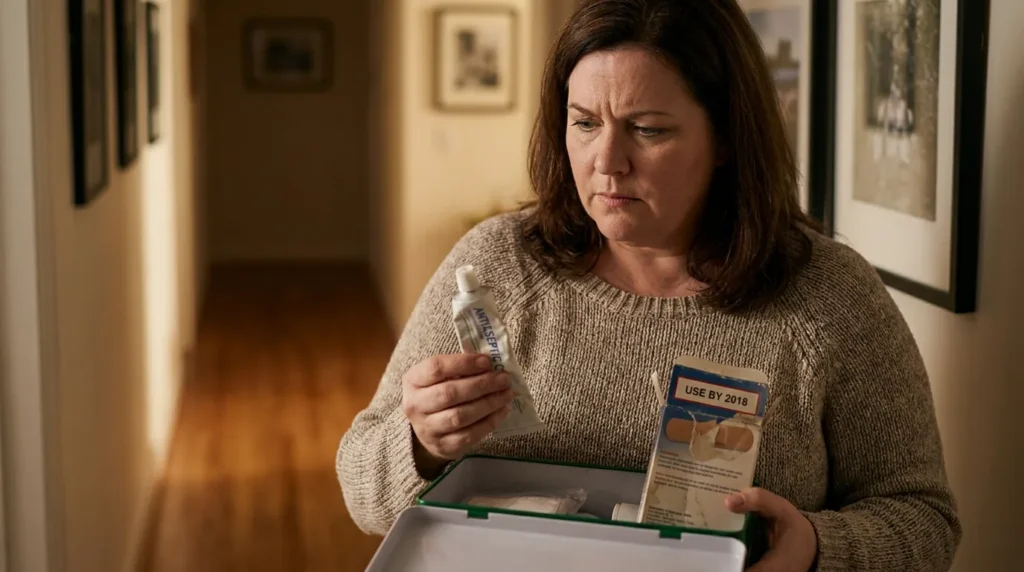
Check your home first aid kit essentials every six months to ensure no medications have expired. Replace used items immediately so you are never caught off guard during a future incident.
I used to think having a box of band-aids was enough, but a real emergency taught me that a disorganized kit is useless when every second counts. Now, I keep my professional-grade response bag in a spot everyone can reach, and I check the dates on everything once a month so I am never caught off guard.
Include a list of local emergency numbers and a copy of your family’s medical history in the kit. This information is gold for paramedics who need to make fast decisions about treatments and drugs.
Maintaining Long-Term Readiness through Practice
Knowledge is like a muscle that can weaken if you do not use it or review it regularly. You should practice your response drills with your family members at least twice a year.
Role-playing a choking scenario or a fire exit drill makes the actions feel like second nature. This reduces the chance of freezing when a real event occurs in your kitchen or backyard.
You should also look into a personal protection guide to understand how to keep yourself safe while helping others. A rescuer who gets hurt cannot save anyone else, so your own protection is the first rule of every scene.
“Expertise is not about doing many things. It is about doing the right things perfectly when every second counts toward a life.”
Staying Safe in Unpredictable Public Spaces
Emergencies do not only happen at home; they can strike while you are out for a walk or at a concert. You should learn how to stay safe in large crowds to avoid being crushed or trapped during a panic.
Identifying the nearest exits and medical stations the moment you enter a building is a pro-level habit. This simple act of awareness can save your life before a single injury even occurs.
If you are a night shift worker safety becomes even more important. You must have a plan for getting help when the streets are empty and most businesses are closed for the night.
Staying prepared means looking ahead at the risks of your specific lifestyle. Whether you are commuting or attending a festival, your safety protocol should always be active in your mind.
Critical Pitfalls to Avoid in High-Stress Moments
Even the best-trained individuals can make errors when the pressure of a life-or-death situation is high. Recognizing these common traps is the only way to avoid them and stay truly effective as a responder.
If you ignore these warnings, you might accidentally turn a manageable situation into a total disaster. Every mistake you avoid is a step closer to a successful rescue for your loved ones.
- The “Ice and Butter” Trap for Burns: Many people still believe that putting ice or butter on a burn helps. This is a myth that traps heat and damages the skin further; always use cool running water instead.
- The Danger of Improper Movement: Never move a victim who has fallen or been in a crash unless they are in immediate danger of fire. Moving them can cause permanent paralysis by damaging the spinal cord.
- Hesitating to Start CPR: People often wait for a “perfect” moment to start chest compressions. According to the American Heart Association, any CPR is better than no CPR when a heart has stopped.
- Blind Finger Sweeps for Choking: Do not stick your finger in a choking victim’s mouth if you cannot see the object. You might push the blockage deeper, making it impossible for the victim to breathe at all.
- Ignoring Scene Safety: Rescuers often run into danger without looking for live wires or fire. You must check for risks like electrical cord safety and burn care issues before you touch a victim.
Failing to follow these warnings can lead to legal issues or deep emotional trauma. You must also learn how to safely handle street harassment if an emergency happens in a hostile public environment.
Staying calm allows you to avoid these common errors. Take a deep breath before you touch a victim to ensure you are thinking with logic rather than just fear.
Your goal is to be a part of the solution, not a part of the problem. By avoiding these pitfalls, you ensure that your efforts lead to the best possible outcome for the person in need.
Essential Questions About Life-Saving Response
What are the 5 most important life-saving first aid skills?
The five core skills include performing hands-only CPR, executing the Heimlich maneuver for choking, and controlling severe bleeding with direct pressure. You should also master the recovery position for unconscious victims and learn how to manage severe burns or accidental poisonings.
How do I perform the Heimlich maneuver on a choking victim?
Stand behind the victim and wrap your arms around their waist. Place your fist just above their navel and pull inward and upward with a quick, forceful motion until the object is expelled.
What should I do if my child or pet swallows a toxic indoor plant leaf?
Immediately call your local Poison Control center and do not try to make the victim vomit. Use your pet camera for real-time safety monitoring to identify which plant was eaten so the experts can provide the right advice.
How can smart home devices help during a medical emergency?
Smart devices allow you to call for help using voice commands if your hands are busy helping a victim. You can also use emergency access through smart locks to let paramedics in without leaving the person who needs your care.
What are the basic steps for treating an electrical burn at home?
First, ensure the power source is off and do not touch the victim while they are in contact with electricity. Once safe, run cool water over the burn for twenty minutes and cover it with a clean, dry cloth before seeking medical help.
Committing to a Lifetime of Personal Safety Readiness
Becoming a protector for your family is a journey that never truly ends. By learning these skills today, you have taken the first step toward a more secure and confident future.
You no longer have to feel like a helpless bystander when an accident occurs in your presence. You have the power to stay calm, act fast, and save a life when the world feels unpredictable.
Start today by checking your home for common hazards like damaged wires or dangerous plants. Build your medical kit and talk to your family about your emergency response plan.
The peace of mind you gain from being prepared is worth every minute of study. You are now a key player in the safety of your home and your community.
Stay alert, stay informed, and always trust your training. Your courage and knowledge are the ultimate tools for a long and healthy life.
Taking just a little time to learn these skills gave me a level of confidence I never thought I could have. You have the power to be the hero your family needs, so please do not wait for a “scary day” to start practicing these life-saving moves!
Disclaimer: The information provided in this article is for educational purposes only and does not replace professional medical advice or certified first aid training. Securely Life (securelylife.com) is not liable for any injuries, deaths, or legal consequences resulting from the application of these techniques. We strongly recommend attending an in-person first aid and CPR class through an accredited organization like the Red Cross or AHA. Always call emergency services (such as 911) immediately during any medical crisis. Use of smart home technology should never delay calling for professional help.