I used to feel terrified every time I had to walk back to my car alone after a late shift at work. Every shadow looked like a threat, and my heart would race until I finally got inside and locked the door. That constant feeling of being a target is what made me realize I needed to stop living in fear and start learning how to actually protect myself.
We live in a world where walking to your car at night or standing in a crowded subway can feel heavy. You might find yourself checking over your shoulder more often than you used to. This constant state of alert is exhausting and it changes how we live our lives.
Many people feel a deep sense of worry when they are in unfamiliar places or alone after dark. You want to enjoy your city and your freedom, but a small voice in your head keeps asking “what if?” This isn’t just about being “paranoid.” It is about a real need for situational awareness in a world that feels increasingly unpredictable.
The struggle to stay safe is real because:
- Most people never receive formal safety training and feel lost when a threat appears.
- The internet is full of “tough guy” advice that is often dangerous or illegal.
- We are often told to “be nice,” which makes us ignore our red flags to avoid being rude.
- Safety gear can be confusing, and many don’t know what is actually legal to carry.
When you don’t have a plan, your confidence starts to fade. You might stop going to the gym at night or avoid certain public events. This fear doesn’t just limit your movement; it steals your peace of mind. You deserve to walk through the world feeling empowered, not like a target.
“Personal safety is not about living in fear. It is about having the right tools and mindset so you can live your life with total freedom and confidence.”
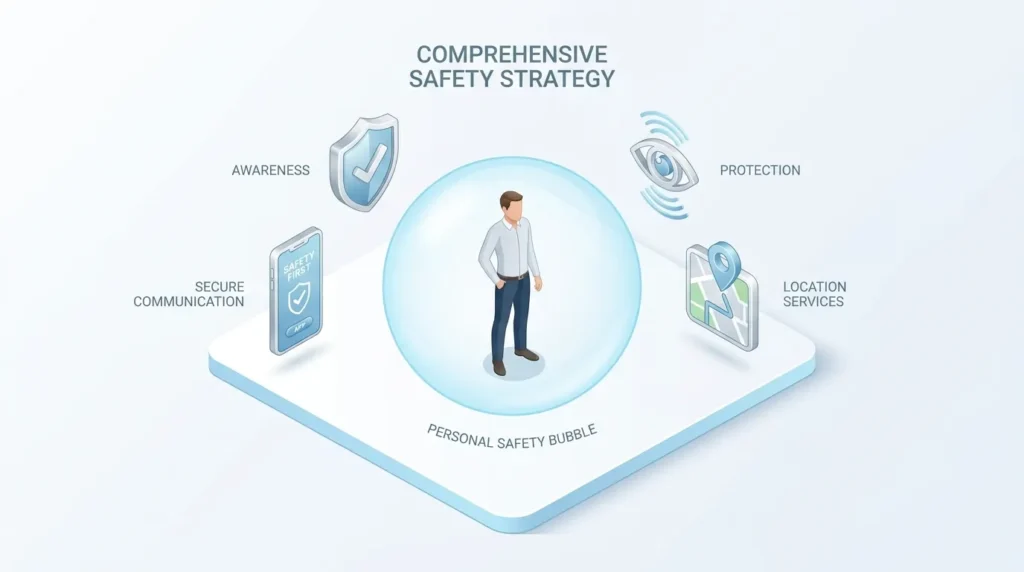
A Comprehensive 9-Step Strategy for Your Total Personal Security
To change how you feel, you need a system that works. Safety is a skill you can learn, just like driving or cooking. Here is a practical, field-tested guide to building your personal security.
1. Master the Art of Seeing Everything
Safety starts long before a physical confrontation. It starts with your eyes and your mind. Most people walk around looking at their phones, completely unaware of who is behind them or where the exits are. This makes you an easy target.
You need to practice what experts call “active observation.” This means scanning your environment every few minutes. Know who is around you and look for “pre-attack indicators” like someone staring too long or following your pace. If you want to master this, check out our deep dive on building situational awareness.
According to the National Safety Council, being aware of your surroundings is the number one way to prevent accidents and intentional harm. When you look like you are paying attention, predators usually look for an easier target.
Check out this quick awareness test below to see how much you actually notice in the world around you! It is a fun but eye-opening way to realize why paying more attention is your best defense against any threat.
2. Trust Your Internal Alarm System
Your body has a built-in radar for danger. You have probably felt it before—a cold chill, a bad feeling in your gut, or the hair on your neck standing up. This is your intuition, and it is a gift from thousands of years of human survival.
In modern society, we often talk ourselves out of these feelings. We tell ourselves we are being “silly” or “judgmental.” However, trusting your intuition is your most powerful defense. If a person or a place feels “off,” leave immediately. You do not owe anyone an explanation for putting your safety first.
One mistake I made for years was thinking that being polite was more important than being safe. I once let a stranger walk into my building right behind me because I didn’t want to look mean by closing the door. Now, I realize that my safety is worth a second of awkwardness, and it is totally okay to put your boundaries first when your gut tells you something is wrong.
3. Moving Safely Through Public Spaces
Public spaces like malls, stadiums, and transit hubs offer safety in numbers, but they also bring unique risks. Whether you are commuting or enjoying a concert, you need a strategy.
When using buses or trains, sit near the driver or in a car with other people. Avoid being isolated. If you feel someone is following you, change your path or enter a store. You can find more specific advice in our public transport safety guide.
Large crowds can also be overwhelming. Knowing where the exits are and having a meeting point for your group is essential. If you are heading to a big event, read our tips on how to stay safe in large crowds. This helps you stay calm if things get chaotic.
4. Protecting Yourself While Alone at Night
The risks change when the sun goes down. Whether you are a night shift worker or someone who enjoys running or cycling at night, you are more vulnerable.
Light is your best friend. Always stick to well-lit paths and avoid shortcuts through alleys or parks. If you are walking alone, keep your hands free. Don’t walk with both headphones in; you need your ears to hear approaching footsteps or cars. For women specifically, we have a complete guide for walking alone that covers everything from body language to path selection.
5. Handling Confrontation and Harassment
Not every threat is a physical attack. Often, it starts with words or unwanted attention. Street harassment is a major issue in big cities. Knowing how to handle these moments can stop a situation from getting worse.
The goal is de-escalation. Keep your voice firm but don’t get into an argument. Use “I” statements and move toward a crowd of people. We have created a practical guide to handling street harassment that gives you exact phrases to use.
This also applies to your job. No one should feel unsafe where they work. If you are facing issues at the office, look at these ways to stop workplace harassment. Organizations like RAINN provide excellent resources for dealing with harassment and staying safe in difficult environments.
6. Using Technology to Your Advantage
Your smartphone can be a life-saving tool if you set it up correctly. There are many apps designed to alert your family or the police if you are in trouble.
Features like “Emergency SOS” on iPhones and Androids can call for help and send your location with just a few clicks. Using reliable safety apps gives your family peace of mind and gives you a direct line to help when you can’t make a call.
7. Carrying the Right Self-Defense Tools
If a situation turns physical, you may need a tool to help you escape. However, you must know what is legal in your area. You don’t need a lethal weapon to be safe; in fact, non-lethal tools are often better because they are easier to use under stress.
Items like pepper spray, personal alarms, or tactical flashlights can create a window of time for you to run away. We have compared the best non-lethal gear and the best legal self-defense tools to help you choose what fits your lifestyle.
Remember, a tool is only good if you know how to use it. Practice taking your pepper spray out of your bag so you don’t fumbel during an emergency. The FBI’s crime prevention resources emphasize that preparation is the key to surviving any threat.
8. Building a “Safety First” Lifestyle
Real security isn’t something you do once; it is a habit. It means checking your car’s back seat before you get in. It means keeping your phone charged before you leave the house. These small steps add up to a very high level of protection.
Talk to your family about these steps. When everyone knows the plan, the whole household is safer. Safety is a shared journey. By sharing this [Personal Safety Guide] with your friends, you are helping create a community that looks out for one another.
9. Staying Prepared for the Unexpected
The world can be a beautiful place, but it has its dark corners. Being prepared doesn’t mean you are scared; it means you are ready. Whether you are dealing with a stranger on the street or an uncomfortable situation at work, you now have the framework to handle it.
Use the links in this guide to study each topic further. Each article we have written is a building block for your new, secure life. You have the power to protect yourself, your family, and your future.
Strengthening Your Personal Security Strategy
Building a foundation is only the start. To truly master your safety, you need to think like an expert. This means moving beyond basic tips and understanding the deep psychology of how threats work. When you understand the “why” behind safety rules, they become much easier to follow.
Mastering the OODA Loop for Instant Decisions
Experts in the military and law enforcement use a mental model called the OODA Loop. This stands for Observe, Orient, Decide, and Act. It is a cycle that helps you process information quickly when things go wrong.
First, you Observe your surroundings for anything unusual. Next, you Orient yourself by figuring out what that observation means. Then, you make a Decision on how to react. Finally, you Act on that decision.
Practicing this loop daily makes you faster than anyone trying to cause harm. If you are on a train and notice someone acting strange, don’t wait. Use this mental model to decide your next move before they even get close to you. This kind of mental training is just as important as knowing how to use legal self-defense tools.
The Power of Your Physical Presence
Did you know that predators often choose targets based on how they walk? Studies show that people who walk with a steady pace, head up, and swinging arms are less likely to be bothered.
This is often called “The Predator’s Choice.” If you look distracted, tired, or unsure of your path, you look like an easy target. By simply standing tall and looking around with purpose, you send a signal that you are not someone to be messed with.
Combine this confident body language with your situational awareness habits. When you walk from a store to your car, keep your head moving. Scan the area under and around your vehicle before you get too close. These small changes in how you move can stop a problem before it even begins.
Digital Hygiene for Physical Protection
In our modern world, your digital life and physical safety are connected. Sharing your location on social media in real-time is a huge risk. If you post a photo of your dinner while you are still at the restaurant, you are telling the world exactly where you are.
Wait until you are home to post your photos. Also, check your privacy settings on apps that track your fitness. If you are running or cycling at night, make sure your public profile doesn’t show your exact route.
Criminals can use this data to learn your patterns. By keeping your digital footprint small, you make it much harder for someone to track your physical movements. This is a pro-level secret that many people overlook until it is too late.
Establishing a Family Safety Protocol
Safety isn’t just about you; it’s about the people you love. You should have a “code word” for your family. If someone is in trouble or needs to leave a situation immediately without making a scene, they can text or say that word.
This is especially helpful for kids or teenagers. It allows them to ask for help discreetly. You should also have a plan for where to meet if there is an emergency at a public event or in a large crowd.
Maintaining Your Safety Habits Long-Term
The biggest challenge isn’t learning these tips; it’s keeping them up. Safety is a lifestyle, not a one-time task. You don’t need to live in fear, but you should live in a state of “relaxed alertness.”
This means you are aware of your world but not panicked by it. Every few months, review your safety apps to make sure they are updated. Check the batteries in your tactical flashlight. By making these small reviews a habit, you ensure that you are always ready for whatever comes your way.
Critical Errors That Compromise Your Protection
Even the most careful people can make mistakes. Avoiding these common pitfalls is a major part of staying secure. If you can spot these errors in your own life, you can fix them today.
- Relying Only on Tools: Many people buy pepper spray and think they are 100% safe. A tool is useless if you can’t reach it quickly or don’t know how to use it under pressure. Always prioritize your intuition and awareness over any gadget.
- Being Too Polite: Society teaches us to be nice, even to strangers who make us uncomfortable. If someone is invading your personal space or asking odd questions, it is okay to be “rude.” Your safety is much more important than a stranger’s feelings.
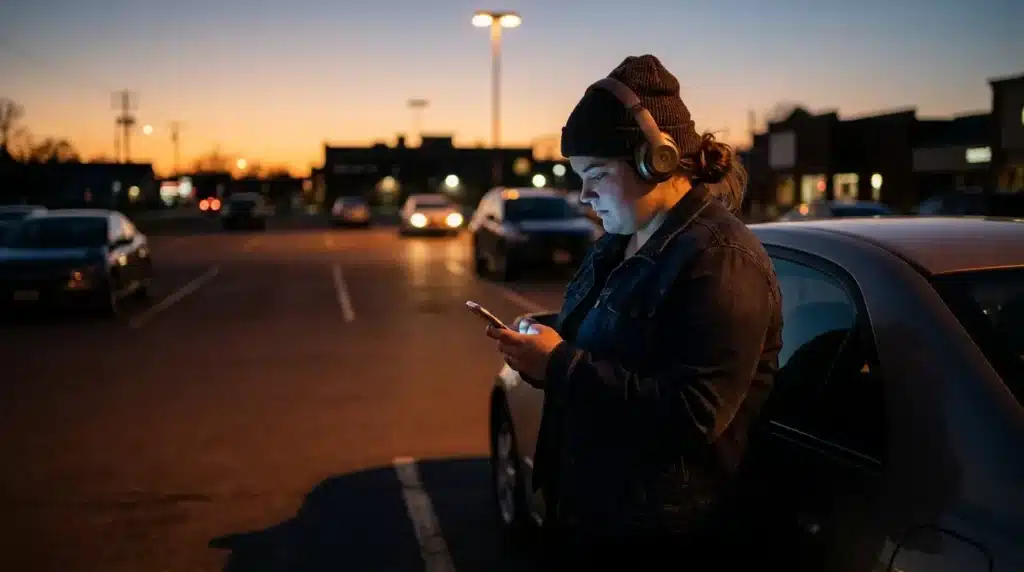
- The “Phone Bubble” Mistake: We see this every day. People walking with their heads down, staring at a screen. This makes you completely blind to what is happening around you. Put the phone away when you are moving from one place to another.
- Ignoring the Transition Zones: Transition zones are places like parking lots, elevators, and doorways. These are the spots where you are most likely to be attacked. Most people let their guard down when they are almost “home” or “at work,” but this is when you should be most alert.
- Not Practicing Your Plan: Having a plan in your head is different from doing it. If you have a non-lethal tool, practice drawing it from your bag. If you have a safety app, know exactly which buttons to press without looking.
“A mistake in personal safety isn’t just a learning moment; it can be a life-changing event. The best way to fix a mistake is to prevent it before it happens.”
Common Questions About Personal Security
Is pepper spray legal in the United States?
In most states, pepper spray is legal for self-defense. However, some states like New York and Massachusetts have strict rules on how you can buy it and the size of the canister. Always check the official website of your state’s Attorney General or the Department of Justice to stay updated on local laws.
What is the best app for personal safety?
There are several great options depending on your needs. Apps like Noonlight or Life360 are popular for families. They allow you to share your location and alert authorities with a silent button. You can read our full review of the top safety apps here.
How can women stay safe when traveling alone?
The key to solo travel safety is research and confidence. Always know the safe neighborhoods versus the dangerous ones before you arrive. Use public transport safety tips and never tell strangers that you are traveling alone.
Can situational awareness really be learned?
Yes, it is a skill like any other. You can start by playing the “A-Z game” where you look for items in your environment starting with each letter of the alphabet. This trains your brain to constantly scan and process your surroundings. Our ultimate guide on situational awareness covers many more exercises.
What should I do if I think someone is following me?
First, do not go home. You don’t want them to know where you live. Instead, head toward a well-lit, crowded area like a grocery store or a police station. If you are driving, make four right turns; if they are still there, they are definitely following you. Call for help immediately using your emergency contacts.
Your Journey Toward a Fearless Future
Taking control of your personal safety is one of the most empowering things you can do. It changes the way you see the world. Instead of seeing threats everywhere, you see opportunities to be prepared. You move with more confidence, and that confidence actually makes you safer.
The tips we have shared in this guide are meant to be used every day. Start small. Tomorrow, try walking with your head up and your phone in your pocket. Next week, set up a safety app for your family. Each step you take builds a shield around you and your loved ones.
Remember, you have the right to feel safe wherever you go. Whether you are a night shift worker or someone who just wants to walk their dog in peace, these strategies are for you. Don’t wait for a scary moment to start thinking about security.
Start today. Trust your gut, stay aware, and keep learning. Your future self will thank you for the effort you put in now. Stay safe, stay confident, and keep living your life to the fullest.
Learning these steps has changed my whole life and given me a kind of strength I never had before. You don’t have to be a martial arts expert to be secure; you just need to start making these small, smart choices today. I promise that once you start paying attention, you will feel so much more in control and ready for whatever the world throws your way!
Safety Disclaimer:The information provided on Securely Life (securelylife.com) is for educational and informational purposes only. While we strive to provide accurate and up-to-date safety advice, laws regarding self-defense tools and personal protection vary by country, state, and city. We are not legal experts or law enforcement professionals. Always consult with local authorities or legal counsel before carrying any self-defense gear or taking action in a dangerous situation. Use of the tips and tools mentioned in this guide is at your own risk.