I remember attending my first big music festival and feeling completely overwhelmed when the main crowd started pushing. I felt so small and scared because I didn’t have a plan or even know where the nearest exits were. That night taught me that enjoying an event is only possible when you actually feel safe, and I never want you to feel that kind of panic like I did.
Attending a massive concert or a local festival should be a time of joy. However, for many people, the thought of being surrounded by thousands of strangers creates a deep sense of worry. This feeling is not just in your head; it comes from a real need to protect yourself and your loved ones in unpredictable environments.
Developing a strong sense of situational awareness personal safety guide is the first step toward feeling confident in any public space. Without a plan, a fun night out can quickly turn into a stressful situation where you feel trapped or lost.
Why most people fail to stay safe in large crowds:
- Over-reliance on others: Many assume that event security has everything under control, but individual safety starts with personal responsibility.
- Distraction by technology: We often stare at our phones to record the moment, losing track of our exits and the people moving around us.
- Lack of an exit strategy: Most people enter through the front gate and never look for a secondary way out until an emergency happens.
- Poor communication plans: Families often forget to set a meeting point, leading to panic if phone signals fail in a dense crowd.
This lack of preparation does more than just put your physical safety at risk. It robs you of your mental peace. Instead of enjoying the music or the game, you spend the whole time looking over your shoulder, feeling small and vulnerable.
According to safety guidelines from the World Health Organization (WHO), understanding the nature of mass gatherings is the only way to manage these risks effectively. A professional approach to safety helps you regain that lost confidence, allowing you to focus on making memories rather than managing fear.

Your Step-by-Step Educational Guide to Mass Gathering Safety
Staying safe is a process that begins long before you arrive at the venue. It involves a mix of physical preparation, mental readiness, and even securing your home front. If you use the best personal safety apps for loved ones, you can add an extra layer of digital protection to your physical safety plan.
Step 1: Pre-Event Preparation and Home Security
Safety starts at your front door. If you are worried about your home while you are away at a big event, you won’t be able to stay focused on your surroundings.
Secure Your Home Environment
Before leaving, ensure your house is locked down. Using smart door lock benefits for home security allows you to check your door status from your phone while you are at the event. This tech prevents the “Did I lock the door?” panic that ruins your focus.
Indoor Hazards and Pet Safety
If you are leaving pets behind, you must check for pet safety home hazards. Many common items become dangerous when a pet is left alone for long hours. Ensure there are no electrical safety tips for indoor plants or loose cords that a bored dog might chew. Check that your indoor plants are non-toxic, as some pets eat greenery when stressed by the noise of nearby crowds or fireworks.
Dress for Success and Safety
Wear comfortable, closed-toe shoes. You need to be able to move quickly if the crowd starts to shift. Avoid loose jewelry or long scarves that could get caught in a moving crowd.
Step 2: Mastering Situational Awareness on Site
Once you arrive, your eyes and ears are your best tools. Most people walk into a stadium or park and only look for their seats. You need to be different.
Identify Your Exits Immediately
Look for at least two ways out that are not the main entrance. In an emergency, the main entrance is where everyone will run, creating a dangerous bottleneck. By knowing the side exits, you stay one step ahead of the group.
Communicate with Your Group
If you are with family or friends, pick a tall, fixed landmark as a meeting spot. Do not rely on “the main gate” as it might be blocked. Pick something unique like a specific statue or a brightly lit sign. Following these 5 essential tips for a securely life will help you stay organized even in chaos.
Stay on the Fringes
Whenever possible, stay toward the edges of a large group. The center of a crowd is where the pressure is highest. Staying near the perimeter gives you an easy “out” if the density becomes uncomfortable.
“True safety is not the absence of danger, but the presence of a well-thought-out plan and the calm mind to execute it.”
Step 3: Recognizing and Surviving a Crowd Surge
One thing I learned the hard way is to never follow the biggest group when leaving a venue. I once spent an extra hour stuck in a hot, cramped hallway just because I followed everyone else instead of looking for a side door. Now, I always spend two minutes finding a quieter path out before the show even starts—it saves me so much stress and time.
A crowd surge happens when the density of people becomes so high that individuals can no longer move independently. This is a high-risk situation that requires immediate action.
Want to see these life-saving moves in action? Watch this short video to learn exactly how to protect your space and stay safe if you ever get caught in a heavy crowd surge!
Spot the Warning Signs
If you feel people touching you on all four sides, the crowd is becoming too dense. If you see people struggling to keep their balance or if the movement of the crowd feels like a wave, it is time to move toward the edge.
The “Boxer” Stance
If you get caught in a surge, do not fight the force. Instead, stand like a boxer. Put your arms up in front of your chest with your elbows out. This creates a small “air pocket” or “safety zone” around your lungs, allowing you to breathe even if the pressure increases.
Move Diagonally
Never try to move against the crowd or stand still. Move with the flow of people but work your way diagonally toward the edges. It is like swimming out of a rip current in the ocean. According to Ready.gov (FEMA), keeping your feet on the ground is the most important rule. If you fall, it becomes much harder to get back up.
Step 4: Traveling Safely to and From the Event
The danger doesn’t end when the concert stops. The mass exit from a venue into public transit can be just as risky.
Public Transport Caution
When leaving, thousands of people will head for the subways or buses. Be patient. Sometimes waiting 20 minutes for the first wave to pass is the safest choice. Read these public transport safety tips for commuters to learn how to handle crowded platforms and stations.
Stay Alert in the Parking Lot
Parking lots are often dark and poorly monitored after an event. Have your keys ready before you reach your car. Don’t spend time digging through your bag in a dark corner of the lot.
Step 5: Personal Safety Gear and Tools
While you shouldn’t carry bulky items, a few small tools can make a big difference.
Keep It Simple
A whistle or a small, high-lumen flashlight can be very helpful. A whistle can signal for help over the noise of a loud crowd. A bright flashlight can help you find your way through a dark exit if the power goes out.
Smart Tech Integration
Ensure your phone is fully charged. Use a portable power bank. Your phone is your lifeline for navigation and emergency calls. If you are traveling to a new city for an event, knowing your local surroundings is a key part of your personal security strategy.
Step 6: Protecting Vulnerable Family Members
If you are attending an event with children or elderly family members, your strategy must change.
Identify Your Children
Take a photo of your child on your phone the moment you arrive at the venue. This way, if they get lost, you have an exact photo of what they are wearing that day to show security.
Elderly Safety Needs
Ensure elderly members have a place to sit and stay hydrated. They are more susceptible to heat exhaustion in large, packed crowds. Always check the venue’s ADA (Americans with Disabilities Act) or accessibility map before you arrive.
Why Mass Gathering Risk Assessment Matters
Every event is different. A political rally has different risks than a heavy metal concert. Professionals use a “Risk Assessment Tool” to judge the safety of a location. You can do a simple version of this yourself.
Ask yourself:
- Is the venue indoors or outdoors?
- Is there a clear path to medical help?
- Does the weather (extreme heat or rain) add a layer of danger?
By asking these questions, you transition from a passive visitor to an active participant in your own security. This mental shift is what keeps you safe when others are caught off guard.
When you combine these steps with a well-monitored home, you create a total safety bubble. Using smart home security for travelers ensures that while you are protecting your body in the crowd, your assets are being watched by technology at home.
By following these rules, you turn a potentially scary experience into a managed one. You can enjoy the energy of the crowd without the fear of the unknown. Safety is a habit, and the more you practice these steps, the more natural they will become.
Strengthening Your Digital and Physical Shield at Mass Events
Once you have mastered the basics of finding exits and staying on the perimeter, you must look at advanced protection. Large events are not just physical environments; they are digital ones too.
Defending Your Digital Life in a Crowd
Pickpockets have evolved. They no longer just look for wallets; they target high-end smartphones and digital data.
Always keep your phone in a front pocket or a zipped inner jacket pocket. If you are worried about physical confrontation while carrying valuables, you might consider carrying legal self-defense tools for personal safety that are permitted in your local area.
Avoid Public Wi-Fi Traps
Many stadiums and concert halls offer free public Wi-Fi. While it seems helpful, these networks are often unsecured.
Hackers can set up “twin” hotspots to steal your login details or credit card info. Stick to your cellular data or use a trusted VPN if you must connect. Keeping your digital life secure is a big part of personal safety gear for concerts.
Managing Harassment in Crowded Spaces
Unfortunately, some people use the anonymity of a crowd to behave poorly. If you find yourself being followed or harassed, move toward a staff member or a group of families immediately.
Learning how to safely handle street harassment guide can give you the words and actions needed to stop a situation before it grows. Your voice is a powerful tool. Use it loudly to draw attention if someone crosses your boundaries.
“Awareness is not about being afraid; it is about being prepared so that fear never has a chance to take root.”
Long-Term Safety Habits for Public Life
Safety is not a one-time act. It is a lifestyle that you build over time.
Mastering Post-Event Commuting
The journey home is often more dangerous than the event itself because everyone is tired. If you are using trains or buses, stay in well-lit areas and avoid empty carriages.
Check out these night shift worker safety commuting tips which apply perfectly to anyone leaving a late-night concert or sports match. Being alert during the “cool down” phase of an event is a pro-level secret.
The Power of Observation
Start practicing your observation skills in low-stress environments, like a grocery store or a local park. Notice where the fire extinguishers are kept. Spot the security cameras.
When you do this regularly, it becomes automatic. You won’t have to “try” to be safe at a massive festival; your brain will do the work for you. This is how you maintain a mass gathering risk assessment mindset without feeling stressed.
According to the British Red Cross, staying calm is your best defense. If you practice your exit plans in your head, you will remain calm while others panic.
Dangerous Pitfalls: Common Mistakes People Make in Crowds
Even the most careful people can fall into traps if they are not careful. Here are the five most common errors that can put your security at risk.
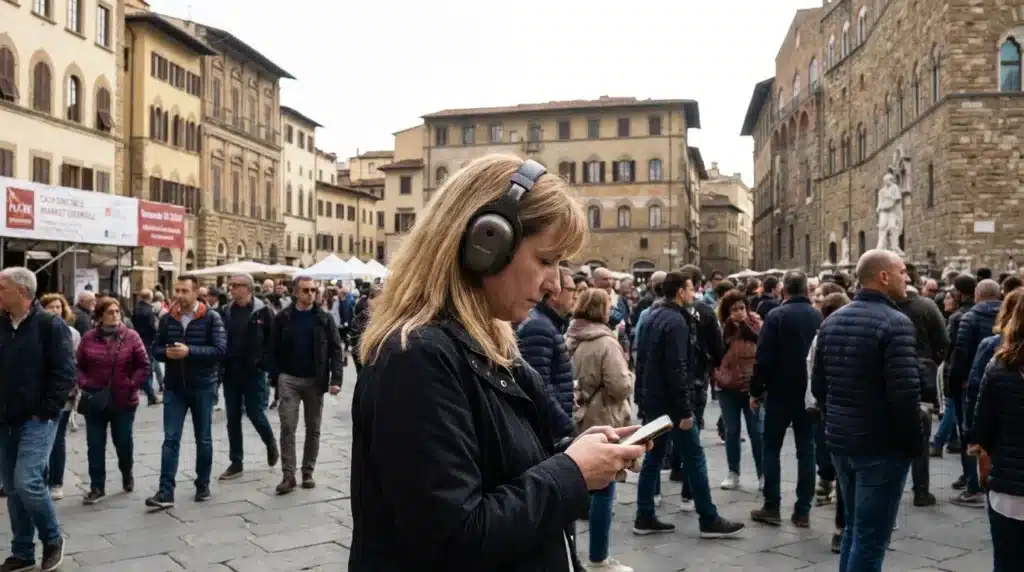
- Wearing Noise-Canceling Headphones: This is a major mistake when walking through a crowd or leaving a venue. You lose your sense of hearing, which is your early warning system for trouble or moving vehicles.
- Mixing Alcohol with High-Density Areas: Alcohol lowers your reaction time and blurs your judgment. If you are in a high-risk crowd surge area, you need your full mental capacity to survive.
- Assuming Security is Everywhere: Just because you see a few guards doesn’t mean they can see everything. Many people stop being alert because they think “someone else” is watching, but you are your own best bodyguard.
- Following the Main Group Blindly: When an event ends, the “herd” moves toward the most obvious exit. This is where crushes happen. Always look for the path less traveled, even if it takes five minutes longer.
- Neglecting Home Security Prep: Many people get so excited about the event that they forget to check their home locks. If you are traveling, using a smart door lock can save you from a break-in while you are distracted by the show.
The Risks of Being Unprepared
If you ignore these mistakes, the consequences can be severe. You could face physical injury in a crush or lose your most expensive belongings to a thief. More importantly, it can lead to long-term anxiety about going out in public. By avoiding these pitfalls, you protect both your body and your future confidence.
Check these stop workplace harassment safety tips to see how similar boundary-setting rules apply in professional environments.
Answers to Your Common Crowd Safety Questions
What are the 5 essential safety rules for large crowds?
First, always identify two exits upon arrival. Second, keep your hands free and stay on your feet. Third, establish a meeting point with your group that is away from the main exit. Fourth, maintain a “buffer zone” of personal space whenever possible. Finally, ensure your home is secure using smart home security for travelers so you can focus entirely on your surroundings.
How do you survive a crowd crush or surge?
Do not fight the movement. Stay on your feet and adopt a boxer’s stance with your arms in front of your chest to protect your lungs. Move diagonally toward the edges of the crowd rather than trying to push straight through. Keep your breathing steady and wait for a break in the pressure to move further away.
What are some mass gathering examples and their risks?
Common examples include music festivals, sporting events, religious pilgrimages, and political rallies. The risks vary from heat exhaustion and dehydration to physical crushes or even targeted theft. Each type of event requires a different level of situational awareness in public spaces.
How can I keep my home and pets safe while at a public event?
Before you leave, scan your house for pet safety home hazards like loose wires or toxic plants. Use a pet camera or a smart door lock to monitor your home remotely. This allows you to enjoy the event knowing your home environment is stable and secure.
What are the basic safety rules for elderly people at public events?
Elderly attendees should stay near the back of the crowd where there is more air and less physical pressure. They must stay hydrated and know the location of the first aid station. It is also wise for them to carry a physical card with emergency contact numbers in case their phone battery dies.
Building a Foundation for a Fearless Life
Staying safe at a large event is about more than just avoiding accidents. It is about claiming your right to enjoy life without being paralyzed by worry. When you prepare your home, your gear, and your mind, you are taking control of your destiny.
You don’t need to be a security expert to be safe. You just need to be a little more observant than the person standing next to you. By implementing these tips, you are choosing a path of resilience and strength.
If you are often out late, learning how to stay safe running cycling night is another great way to expand your personal security knowledge. Every small habit you build adds up to a much larger shield of protection.
According to the Department of Homeland Security (DHS), public safety is a shared responsibility. When you stay alert, you help keep the people around you safe too. You become a leader in your own community just by being prepared.
Take a moment today to check your home security settings or talk to your family about an emergency meeting spot. These small steps are the beginning of a much bigger journey. Start today, and move forward with the confidence that you are ready for whatever comes your way.
Living a secure life is a choice. Make that choice every time you step out of your door, and you will find that the world feels much more welcoming and much less intimidating.
You deserve to go to your favorite concerts and games without living in fear. By taking these simple steps today, you are giving yourself the gift of total peace of mind for your next big night out. Go out there, stay aware, and start making those amazing memories with a smile on your face!
Disclaimer: The information provided in this article is for educational and informational purposes only. While we strive to provide accurate safety advice, “Securely Life” and its authors are not responsible for any incidents, injuries, or losses that may occur while following these suggestions. Personal safety depends on local laws, specific event conditions, and individual judgment. Always follow the instructions of local law enforcement and official event security personnel. For specific legal advice regarding self-defense tools or home security regulations, please consult with a certified professional in your jurisdiction.