I still remember the first time I hired a painter for my home and realized halfway through the job that I didn’t even know his last name or where his office was. I spent the whole week feeling nervous about my kids and my dog being around a total stranger without any real background info. That stressful experience taught me that I needed a real system to check people out before ever giving them my house keys again.
Inviting someone you do not know into your private living space feels uncomfortable. Your home is the one place where you and your children should feel completely safe. When you start a renovation, that sense of peace often disappears. You worry about your belongings, your privacy, and the physical safety of everyone under your roof.
It is a heavy emotional burden to carry. Many homeowners feel a sense of “stranger danger” in their own living rooms, but they ignore it because they need the work done. This internal conflict creates high levels of stress that can ruin the excitement of improving your home. Taking 5 essential tips for a securely life into account is the first step toward regaining that lost peace of mind.
Why do so many people struggle to find a trustworthy professional? The reality is that the modern world makes it easy for dishonest people to hide.
- Deceptive Online Reviews: Many “shady” workers pay for fake five-star ratings on social media platforms.
- Pressure Tactics: Low-quality contractors often use “limited time offers” to force you into a quick, unvetted decision.
- Lack of Clear Standards: Most homeowners do not know what a “safe” hiring process looks like, so they skip important steps.
- The Price Trap: People often choose the cheapest quote, which frequently comes from someone without proper insurance or background checks.
This search for the right person often leads to a cycle of anxiety and fear. You might find yourself constantly checking your cameras or hiding your jewelry every morning.
- Loss of Privacy: Knowing a stranger has access to your floor plan and daily routine is mentally draining.
- Decision Fatigue: Comparing multiple quotes while trying to judge someone’s character is exhausting.
- Financial Fear: The thought of being “ripped off” or left with a half-finished, dangerous house keeps you up at night.
- Family Safety Concerns: If you have small children or pets, the presence of an unvetted worker creates a constant state of high alert.
The Federal Trade Commission offers advice on hiring contractors that highlights the importance of checking references before signing any paperwork. Understanding these risks is not meant to scare you. Instead, it should empower you to take control of your environment.
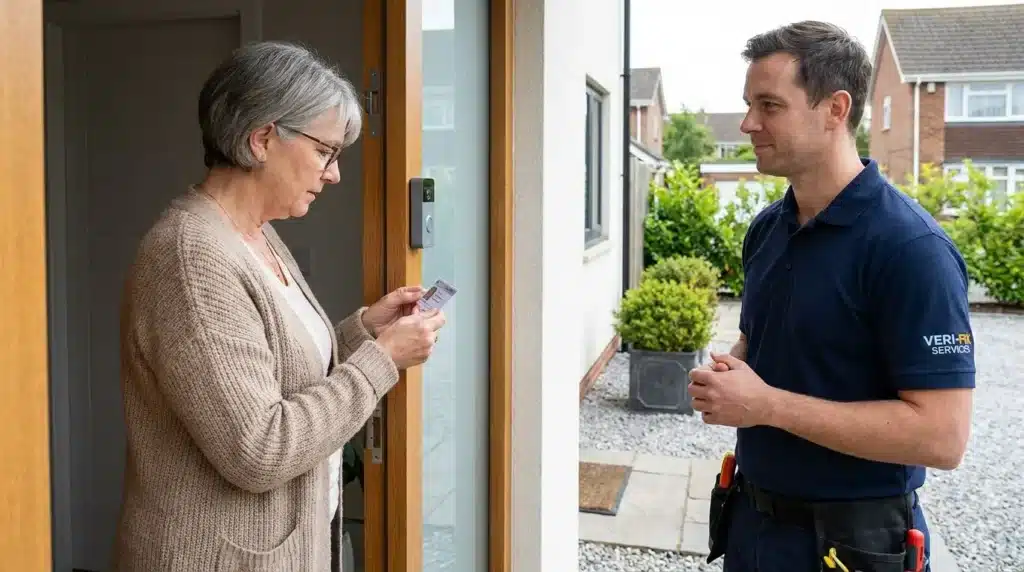
A 7-Step Safety Framework for Vetting Home Contractors
You do not have to leave your family’s safety to chance. By following a structured path, you can filter out the “red flags” and find a professional who respects your home as much as you do. This process is very similar to how to vet a babysitter because both involve trusting a stranger with your most precious assets.
Step 1: Conduct a Comprehensive Digital and Social Background Check
Before you even call a contractor, you need to do some detective work. A proper contractor background check starts with their digital footprint. Search for their name and company name alongside words like “scam,” “lawsuit,” or “complaint.”
Check their social media profiles, but do not just look at the pictures of their work. Look at how they interact with customers in the comments. Are they professional? Do they address complaints calmly? If you see a pattern of deleted comments or angry responses, that is a major warning sign.
Verify their physical address. A legitimate business should have a real office or a verifiable home-based business address. Be wary of anyone who only uses a P.O. Box. You want to know where they are if something goes wrong.
Step 2: Verify Legal Authority and Financial Protection
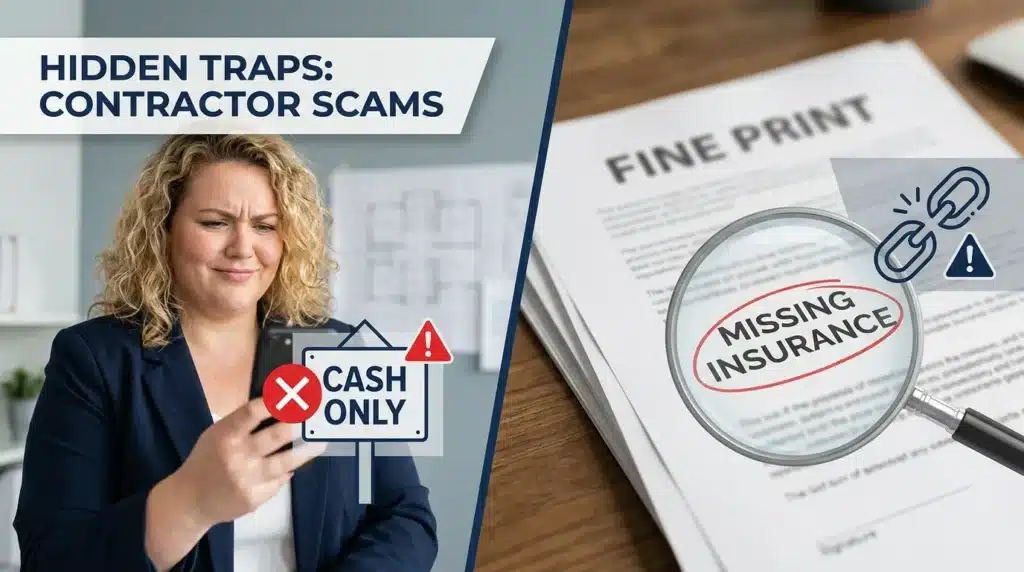
One thing I learned the hard way is that just because a contractor shows you a license doesn’t mean their insurance is actually active. I now make it a rule to take five minutes and call the insurance company directly to make sure the policy hasn’t expired. It is a small step that has saved me from a lot of potential legal headaches and worry over the years.
One of the biggest hiring unlicensed contractors risks is the lack of accountability. If an unlicensed worker gets hurt on your property, you could be held liable for their medical bills. This is a nightmare scenario for any family.
Ask for a copy of their current license and insurance certificate. Do not just take their word for it. Call the insurance agency to make sure the policy is still active. The Better Business Bureau (BBB) is an excellent resource to check for any history of unresolved complaints or legal issues.
A safe contractor will have:
- General Liability Insurance.
- Workers’ Compensation (even if they have a small team).
- A valid state or local license.
“A professional contractor will never be offended when you ask for proof of insurance. In fact, they will be proud to show you that they follow the rules to protect both you and their team.”
Step 3: Establish Clear Physical and Social Boundaries
Once you have chosen a candidate, you must set ground rules before they enter your home. This is a key part of your 9-step home alone safety readiness guide logic. You are the boss of your space, and you decide where people can go.
Clearly define which bathroom the workers are allowed to use. Specify which entrances they should use and where they are allowed to park. If you have a “no-go” zone, such as a nursery or a home office, communicate that immediately.
Make it clear that there is a “no smoking” and “no music” policy if that makes your family more comfortable. These boundaries help the workers understand that your home is a professional job site, not a place for them to relax.
Step 4: Secure Your Environment and Mitigate Hazards
Preparing your home for workers involves more than just moving furniture. You must think about “hidden” dangers that could harm the workers or your family. This is why a child proofing your home safety checklist is so helpful; it teaches you to look at your home from a different perspective.
Remove Indoor Hazards:
- Toxic Plants: Many common houseplants like Lilies or Philodendrons are poisonous. Move them away from the work area so workers do not accidentally brush against them or knock them over.
- Loose Electrical Cords: Tape down or secure any loose wires in the walking paths. You do not want a worker tripping while carrying heavy tools.
- Valuables: Lock away small electronics, jewelry, and sensitive documents. Even the most honest worker can be tempted if a diamond ring is left on a bathroom counter.
Protect Your Pets:
Construction noise and strange people can terrify pets. Keep your animals in a secure room with food and water, or consider a pet hotel during the heaviest work days. This prevents your pet from escaping through an open door or biting a worker out of fear.
Step 5: Ask the Hard Questions Before Signing
You need to be direct during the interview phase. Use a list of questions to ask a contractor to see how they handle pressure.
- “Who exactly will be in my house every day? Do you use subcontractors?”
- “Have all your employees passed a criminal background check?”
- “What is your daily cleanup routine to ensure my kids do not step on nails?”
- “How do you handle disputes or unexpected costs?”
If a contractor avoids these questions or becomes defensive, they are not the right fit for a safety-conscious homeowner.
Step 6: Use Technology for Smart Access and Monitoring
Gone are the days when you had to hide a key under the doormat. That is a massive security risk. Instead, look into smart locks for temporary worker access. You can give the contractor a unique code that only works during business hours. When the job is done, you simply delete the code.
Using smart home security for workers access also allows you to see exactly when they arrive and leave. If you have a pet camera or an indoor security camera, place it in common areas like the kitchen or hallway.
You do not need to spy on their every move, but knowing you can check in helps lower your anxiety. Tell the contractor that you have cameras in the common areas. This transparency often encourages better behavior and more focused work.
Step 7: Recognize the Early Red Flags
The best way to stay safe is to trust your gut. There are several red flags when hiring a contractor that you should never ignore.
- The Cash-Only Request: If they demand a large cash deposit up front, walk away. This is a classic sign of a scam.
- No Written Contract: If they say “we do not need a contract, I’m a man of my word,” they are a danger to your finances.
- Lack of Professionalism: Do they show up late for the estimate? Is their truck a mess? How they treat their own tools is how they will treat your home.
- The “Door-to-Door” Offer: High-quality contractors are usually busy. If someone knocks on your door saying they “just finished a job down the street and have extra materials,” it is almost always a scam.
By staying alert to these signs, you can stop a problem before it enters your front door. Your home is your sanctuary, and vetting is the gatekeeper that keeps it that way.
Ensuring your home remains a sanctuary during a construction project requires more than just a initial background check. You must manage the daily presence of workers with a proactive mindset to avoid any security gaps.
A great place to start is by following a medication safety home guide to ensure all prescriptions are locked away before anyone enters. This prevents accidental exposure and protects your private health information from curious eyes. It is easy for a worker to wander into a bathroom and see what medicines you take, which is a breach of your privacy.
Check out this expert breakdown from a professional carpenter below! It shows exactly how to spot dishonest contractors and recognize the scams that can cost you thousands of dollars.
Pro-Level Strategies for Managing Home Service Workers
Beyond the basic interview, you can use expert-level tactics to maintain a high level of security throughout the project. These methods help you stay in control without feeling like you are hovering over the workers.
Creating a Secure Project Zone and Communication Log
Designate a specific “Project Zone” where the workers are allowed to operate. This keeps the rest of your house off-limits and reduces the risk of someone wandering into your private bedrooms. You should physically mark these boundaries if necessary, using painter’s tape or temporary plastic walls.
Use a physical or digital Communication Log to track who enters and leaves every single day. This log should include the name of every worker, their arrival time, and their departure time. In many US states, construction safety is regulated by OSHA guidelines, and keeping a log is a standard professional practice.
Having this written record encourages workers to be more professional because they know their presence is being monitored. It also helps if you need to look back and see who was on-site if an item goes missing or a door was left unlocked.
Tiered Access Control for Smart Home Security
If you have a smart home system, you can set up tiered access levels for your contractors. Instead of one master code, create a temporary “Guest” profile that only opens the front door and the garage.
This profile should only be active during work hours, such as 8:00 AM to 5:00 PM. You can receive an alert on your phone every time the code is used, giving you peace of mind while you are at work.
Many homeowners find that using these modern stranger danger tips helps them set better boundaries with service providers. It teaches you how to be polite but firm about your family’s safety rules while maintaining a professional relationship.
The “Safety First” Morning Walkthrough
Every morning before work begins, spend five minutes walking through the site with the lead contractor. Point out any new safety concerns, such as a loose gate that might let your dog out or a child’s toy near the work area.
Check for indoor safety hazards for pets and family during this time. Look for heavy tools left on high counters or power saws that are still plugged in while no one is watching them. The Consumer Product Safety Commission (CPSC) often warns about the dangers of unattended power tools in homes with children.
Establish a “Clean and Safe” rule for the end of the day. All power tools must be unplugged, all sharp debris must be vacuumed, and all hazardous chemicals must be sealed and stored away from children.
“A project that starts with a safety walkthrough usually ends with a happy homeowner. When you prioritize safety, the contractor understands that quality and caution go hand in hand.”
Long-Term Security Maintenance After the Job
Once the renovation is finished, your vetting process should not truly end. You need to perform a “Post-Project Security Audit” to ensure no lingering vulnerabilities remain in your home.
- Reset All Codes: Immediately delete any guest codes from your smart locks and alarm system.
- Check Every Entrance: Ensure all windows and doors in the work area still lock properly after being opened and closed so many times.
- Air Quality Check: Construction dust can be harmful. Replace your HVAC filters to keep the air safe for your children and seniors.
- Tool Sweep: Walk through the yard and work area with a magnet to ensure no nails or small metal shards were left behind.
Following a preventing senior falls at home safety guide can help you spot trip hazards created by uneven flooring or loose carpet edges after a renovation. Keeping these long-term safety habits ensures your home remains a safe haven for years to come.
Hidden Traps: Mistakes Homeowners Make When Inviting Workers
Even well-meaning people often make mistakes that put their families at risk. Recognizing these pitfalls is the only way to avoid them effectively.
Ignoring the Internal Warning Bell
The most common mistake is ignoring your “gut feeling.” If a contractor seems perfect on paper but makes you feel uneasy during the estimate, do not hire them. Your brain often picks up on small clues about a person’s character that you cannot quite name.
Your subconscious often picks up on body language or tone of voice that signals a lack of respect or honesty. Trusting your instincts is your most powerful defense against a bad experience. It is better to wait for a different contractor than to live in fear in your own home.
Failing to Protect Sensitive Personal Data
Many people leave their home offices open or leave mail sitting on the kitchen counter. This mail contains your full name, bank details, and social security numbers. This information is more valuable than jewelry to some criminals.
A contractor might not be a thief, but a subcontractor or a temporary helper might be tempted by easy identity theft. Always clear your counters and lock your filing cabinets before the crew arrives. Think of your data as part of your physical security.
Neglecting Pet and Child Safety Measures
It is a mistake to assume a worker will remember to close the back gate or lock the front door. Workers are focused on their task, not your toddler or your cat. They might leave a door propped open for hours to carry materials back and forth.
You must remain responsible for keeping your loved ones away from the work zone. Reviewing fire escape drills for kids is a good idea before a project starts, as construction might block your usual exit paths. Make sure your kids know which doors are now “off-limits.”
Allowing “Job Creep” Without New Vetting
Sometimes a small plumbing job turns into a full bathroom remodel. If your contractor brings in new “friends” or helpers to finish the bigger job, you must vet them too. Just because you trust the boss does not mean you should trust everyone they hire.
Never allow someone you have not met to work in your house alone. Ask the lead contractor for the names and backgrounds of every person added to the crew as the project grows. If a new face shows up, ask for their identification immediately.
Paying Too Much Money Upfront
Paying a massive deposit before any work starts is a major red flag for your financial security. This gives the contractor no reason to finish the job quickly or safely. It also leaves you with no leverage if the work is done poorly.
Follow a milestone-based payment plan where you only pay when certain parts of the job are finished. This keeps you in control of the project and ensures the work is done to your satisfaction before you hand over the final payment. A professional will always agree to a fair payment schedule.
Answers to Your Pressing Contractor Vetting Questions
What are the biggest red flags when hiring a contractor?
The most obvious warning signs include a contractor who asks for a large cash deposit or refuses to provide a written contract. You should also be worried if they lack a permanent business address or use high-pressure sales tactics to make you sign immediately. If they cannot show proof of insurance or current licenses, it is a risk you should never take for your family’s safety.
Is it a red flag if a contractor doesn’t have insurance?
Yes, it is a massive risk to your home and your savings. If an uninsured worker is injured on your property, you may be legally responsible for their medical costs and lost wages. Always verify that they have both General Liability and Workers’ Compensation insurance before they step foot on your property. This protects you from lawsuits and financial ruin.
How do I protect my home during a renovation?
The best way to protect your home is through a mix of physical barriers and technology. Lock your valuables in a safe or move them to a different house during the work. Use smart locks to track worker entry and exit times, and set up indoor cameras in common areas to monitor progress and maintain professional behavior. Clear communication about house rules also helps.
What are common household hazards for workers?
You should remove any trip hazards like loose electrical cords or rugs before workers arrive. Also, move any toxic plants like lilies, azaleas, or ivy that might cause skin irritation or illness if touched. Ensuring the work area is well-lit and clear of clutter helps prevent accidents that could lead to legal issues for you. A safe job site is a fast job site.
Should I pay a contractor 50% up front?
In most cases, no. A 50% deposit is unusually high and can be a sign of financial trouble for the contractor. Most reputable professionals only require 10% to 30% to cover initial materials. Always check local laws, as some states actually limit the amount a contractor can legally ask for as a deposit. Never pay the full amount until the work is 100% complete.
Building a Safer Future for Your Home Sanctuary
Taking the time to vet a contractor is not about being suspicious or mean. It is about being a responsible protector of your family and your biggest investment. You have worked hard for your home, and you have every right to decide who enters it.
When you set clear boundaries and use smart technology, you create an environment where professional work can flourish. You deserve to have your home improved without sacrificing your mental health or your physical safety. A successful renovation is one where the house looks better and the family feels secure.
Start by making a small checklist today of the “no-go” areas in your house. Being prepared is the key to a stress-free home improvement journey. It only takes a few minutes to secure your jewelry or check a license, but the peace of mind lasts for a lifetime.
You have the power to make your home safer with every choice you make. Embrace these steps, trust your logic, and enjoy the beautiful results of a job well done. Your family’s safety is the foundation of a happy home.
Following this plan made me feel like the boss of my own home again instead of a worried observer. You don’t have to be suspicious of everyone you meet, but being prepared means you can finally relax and enjoy your new home upgrades. Go ahead and start your first background check today—you will feel so much more confident once you take that first step!
Safety & Legal Disclaimer: The information provided on Securely Life is for educational and informational purposes only. While we strive to provide accurate safety advice, we are not licensed legal or security consultants. Always consult with local authorities, licensed professionals, and your insurance provider before making major home security decisions or signing legal contracts with home service providers. Every home situation is unique, and you should perform your own due diligence. Securely Life is not liable for any incidents, losses, or injuries that may occur while following these guidelines.