Being a parent is the most rewarding job, but it is also the most terrifying. You bring your baby home and suddenly, your cozy house feels like a field of hidden dangers.
Every sharp corner, every heavy bookshelf, and even every electrical outlet feels like a threat to your peace of mind. You find yourself constantly on edge, jumping at every loud bang or, worse, every moment of sudden silence.
That silence often means your little explorer has found something they shouldn’t have. It is exhausting to live in a state of high alert 24/7. This constant worry is what prevents you from truly enjoying the beautiful moments of parenthood.
Why Finding the Right Safety Advice Feels Impossible
Most parents want to do the right thing, but they often get lost in a sea of bad information. Here is why many fail to create a truly Secure Life for their children:
- Cheap Products: Many people buy low-quality plastic latches that break after two days, giving a false sense of home security.
- Outdated Tips: Old advice doesn’t cover modern risks like heavy flat-screen TVs or rechargeable button batteries.
- Focusing on the Wrong Areas: Parents often worry about big things but forget about the small things, like loose coins or colorful laundry pods.
- Ignoring Digital Risks: We often think of safety as only physical, forgetting that digital parameters are part of modern child-proofing.
- Overwhelming Checklists: Most guides are so long and complicated that parents get frustrated and give up before they even start.
How Household Hazards Steal Your Confidence and Peace
Living in an unsecure environment doesn’t just put your child at risk; it drains your mental energy. It changes how you feel in your own home.
“The constant stress of ‘baby-watching’ every single second leads to extreme tiredness, anxiety, and parental burnout. You can’t even finish a cup of hot coffee without worry.”
When a small accident happens, you feel like a failure, which hurts your ability to make clear safety decisions. If your home isn’t safe, you tend to keep your child in a playpen, which limits their natural curiosity and learning.
Emergency room visits are expensive, and many home accidents could have been prevented with a small investment in Life Security. We all want a lifestyle where our children can crawl, run, and play without us fearing for their lives.
The world is changing, and our homes are filled with more gadgets and chemicals than ever before. This means our approach to family safety must be smarter and more modern. You don’t have to turn your house into a padded cell. Let’s start building that safety net today.
The Blueprint: Practical Steps to Secure Your Child’s World
Creating a safe space for your family doesn’t have to happen in one day. You can take it one room at a time. This blueprint will help you master Child-Proofing Your Home using logical, layered protection.
Step 1: Securing the Physical Environment
The first thing you must do is look at your house from a different perspective. Literally, get down on your hands and knees and crawl around. You will be surprised at what you see from two feet off the ground.
Check for loose wires hanging behind the TV or under the desk. These are strangulation risks or can lead to heavy electronics falling on a child. Use cord organizers to keep them tucked away.
Next, look at your furniture. According to safety reports by the U.S. Consumer Product Safety Commission, any heavy piece, like a dresser or a bookshelf, must be anchored to the wall. Children love to climb, and open drawers look like a ladder to them. Tip-over accidents are easily preventable with a few simple wall straps.
Managing Doors, Windows, and Stairs
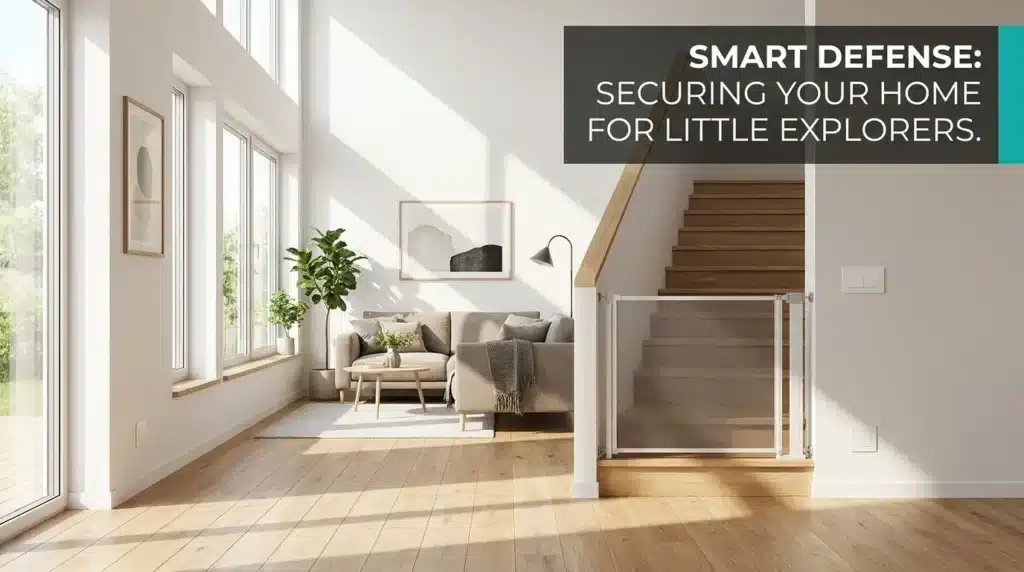
Stairs are a major area of concern for every toddler. Install hardware-mounted gates at the top of every staircase. Pressure-mounted gates are fine for the bottom, but the top needs something screwed into the wall so it cannot give way.
Windows are another hidden danger. Never rely on a screen to keep a child inside; screens are designed to keep bugs out, not kids in. Use window guards or limiters that prevent the window from opening more than four inches.
Also, check your door locks. For rooms that are off-limits, like the home office or the laundry room, use door knob covers. These simple physical changes are the foundation of a Secure Life.
Step 2: Protecting Your Kids in the Digital Zone
In today’s world, Child-Proofing Your Home is not just about physical locks. It also includes managing your digital safety zone. Children as young as two years old are already touching screens and buttons.
Start by securing your hardware. Tablets and phones should have sturdy, child-proof cases. This prevents broken glass if they are dropped. Keep charging cables out of reach, as these can cause electrical burns.
Think about what your child can access online. Even if they are just watching cartoons, the “autoplay” feature can lead to inappropriate content very quickly. Always use “Kids Mode” on your devices and set up a strong passcode that they cannot guess.
Setting Healthy Digital Boundaries
Establish “Tech-Free Zones” in your house, like the dining table or the bedroom. This keeps your child focused on their physical world rather than a screen. It also helps them develop better sleep habits and social skills.
Be mindful of smart home devices like voice assistants. Kids can accidentally order things or hear things they shouldn’t. Check the privacy settings on your smart speakers to make sure they are not recording too much data.
By starting these habits early, you are teaching your child how to use technology safely as they grow. This is just as important as teaching them to look both ways before crossing the street.
Step 3: Mastering Emergency Readiness
You can lock every door and hide every cord, but you also need to be ready for the unexpected. True protection means developing sharp situational awareness as a parent to anticipate risks before they happen.
Every parent and caregiver should know basic first aid and CPR. Taking a quick class can give you the skills to save a life in those first few minutes of a crisis. Keep a well-stocked first aid kit in a place where adults can find it quickly but kids cannot reach it.
Create a list of emergency numbers and post it on your fridge. This should include your pediatrician, the local poison control center, and a trusted neighbor. In a panic, a physical list is often easier to find and use than searching through your phone.
Identifying Hidden Hazards in Daily Life
Many common items in our homes are actually dangerous for kids. Laundry pods are bright and look like candy. Keep all cleaning supplies and medicines in a high cabinet with a lock.
According to data from the Centers for Disease Control and Prevention, small items like button batteries and high-powered magnets pose severe internal risks. If swallowed, these can cause serious internal damage in a matter of hours.
Teach your child basic rules as they get older. Teach them what “hot” means near the stove and why we don’t touch dangerous things. Communication is a powerful tool in your Family Safety toolkit.
Step 4: The Role of Travel Safety in Your Routine
Even when you are not at home, you still need to maintain your safety standards. Whether you are going to grandma’s house or a hotel, the risks follow you.
When you visit others, don’t assume their house is child-proofed. Carry a “portable safety kit” with a few outlet covers and a travel baby gate. This allows you to create a safe zone no matter where you are.
If you are staying in a hotel, do a quick “sweep” of the room as soon as you arrive. Check for loose cords, low-level breakables, or unanchored furniture. Moving a few items out of reach can save you a lot of stress during your trip.
Staying Safe on the Go
Car safety is a huge part of mobile habits. Always ensure your child’s car seat is installed correctly and is the right size for their age. A car seat that is too loose or has twisted straps will not protect them in an accident.
When you are in public places, stay alert. Use strollers with five-point harnesses so your child cannot climb out. For older kids, teach them to stay close and what to do if they get lost.
Maintaining a Secure Life means being consistent. The rules don’t change just because you are in a different city. By keeping your safety habits the same everywhere, you make it easier for your child to understand them.
Building a Long-Term Vision for Family Safety
The goal of Child-Proofing Your Home is to create an environment where your family can thrive. It is not about living in fear; it is about living with a plan.
Safety is a moving target. As your child grows, they will find new ways to get into trouble. A crawler faces different risks than a toddler who can reach the counter. This means you should review your safety checklist every few months.
Don’t feel like you have to be perfect. No house is 100% safe, but a house with a plan is much safer than one without. Take a deep breath and start with the most important areas first.
Why Community and Connection Matter
You don’t have to do this alone. Talk to other parents in your community about what works for them. Sharing tips on home protection helps everyone stay safer.
Sometimes, a neighbor might notice a risk in your yard that you missed. Or you might help a new parent realize their water heater is set too high. This collective awareness is the heart of neighborhood security.
Building a Secure Life is the greatest gift you can give your children. It gives them the freedom to explore and the safety to grow. Let’s keep moving forward together on this path to total safety.
Advanced Protection: Mastering Invisible and Smart Safety
Building a safe environment for your children requires looking deeper into your daily routine. Once you have handled the obvious risks like sharp corners and open stairs, it is time to focus on the invisible threats.
Advanced safety is not about buying more gadgets. It is about understanding how your home functions and how a child’s curiosity evolves over time. By taking these expert steps, you can ensure that your safety perimeter remains strong.
Advanced Step 1: Neutralizing Invisible Hazards and Toxins
One of the most overlooked parts of daily risk management is chemical and air quality control. We often store cleaning supplies under the sink because it is convenient for us. However, for a toddler, that cabinet is an open invitation to danger.
Move all detergents, bleach, and dishwasher pods to a high shelf that requires a ladder to reach. Even if you use child locks, a determined toddler can sometimes find a way to pull them open.
Think about the air your family breathes as part of your home strategy. Check your home for radon or carbon monoxide leaks by installing high-quality detectors on every floor. These invisible gases can cause serious health issues before you even realize they are present.
Managing Small Choking Risks and “Invisible” Objects
Children use their mouths to explore everything in their world. This makes small, everyday objects like loose coins, hair ties, or even grape-sized toys a major threat.
“Always use the classic toilet paper roll test: If an object can fit through the center of a standard toilet paper roll, it is an immediate choking hazard for any child under three years old.”
Walk through each room and look for these tiny items that might have fallen under the sofa or behind a chair. Keeping floors completely clear of small debris is a simple habit that saves lives.
Also, be aware of the plants you keep inside your house. Many beautiful indoor plants are actually toxic if a leaf is chewed or swallowed. Research every plant in your home to ensure they are pet and child-friendly.
Advanced Step 2: Integrating Smart Technology for Awareness
Modern monitoring tools can act as a silent guardian for your children. While technology cannot replace your eyes, it can give you an extra layer of protection when you are in another room.
For example, smart cameras with two-way audio allow you to monitor nap time without waking the baby. You can also use door and window sensors as part of your automated alert plan.
These sensors can alert your phone the second a child tries to open a door leading to the garage or the backyard. This “early warning system” gives you enough time to intervene before they get into a dangerous area.
Smart Sensors for Water Safety
Smart water sensors are another great tool for a modern home. Place them near the bathtub or under sinks.
If a child turns on a faucet while you are busy, you will get an instant alert on your phone. This simple tech integration prevents both accidental slips and sudden water damage.
Maintaining Long-Term Safety as Your Child Grows
Your child’s ability to navigate the home changes almost every week. A safety plan that worked when they were crawling will not work when they can stand on their tiptoes. To keep a Secure Life, you must audit your home at least once a month.
Check that all your gates and latches are still sturdy and have not become loose from daily use. As your child gets taller, check the heights of items on your kitchen counters and tables. If they can reach a heavy coffee mug or a sharp knife, adjust your habits immediately.
Encourage everyone in the house to follow the same safety rules. If a grandparent or a babysitter forgets to lock a gate, the whole system breaks down. Consistent habits from every adult are the most effective way to protect your children long-term.
Crucial Mistakes to Avoid When Protecting Your Kids
Even the most careful parents can fall into traps when trying to create a secure household. These mistakes can create a false sense of safety, which is often more dangerous than having no plan at all.
1. Relying Entirely on “Child-Proof” Gadgets
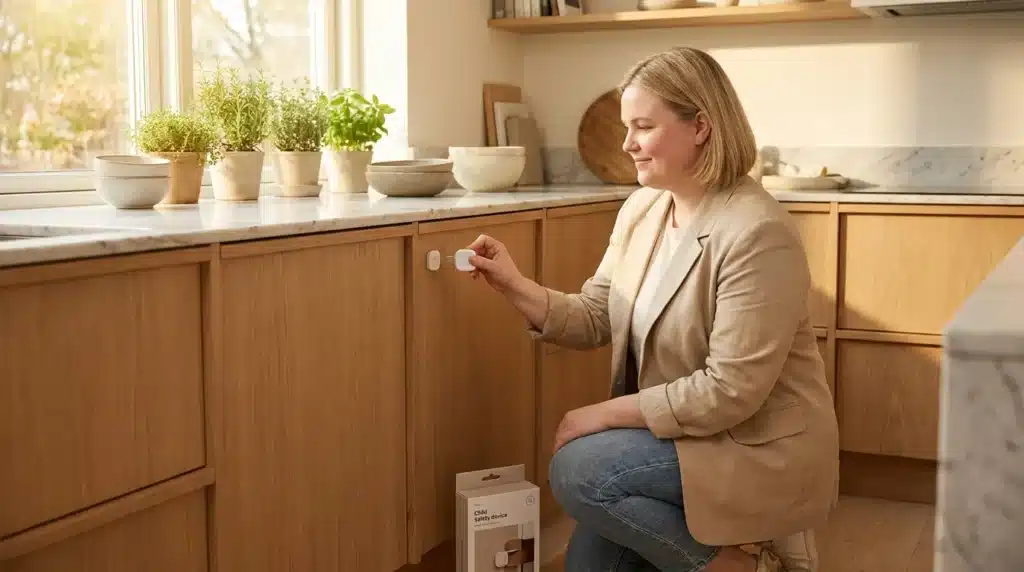
Many parents think that buying a plastic lock means they no longer have to watch their child. No gadget is 100% effective against a determined toddler. Some children are very good at figuring out how latches work by watching you open them.
Never let a piece of plastic replace your active supervision. These tools are meant to buy you a few seconds of response time, not to act as a permanent barrier. Always keep an eye on your child, especially in the kitchen or bathroom.
2. Forgetting the “Guest Factor” and Outside Environments
Your home might be perfectly safe, but what about when you go to a friend’s house or have guests over? Visitors often leave bags on the floor that might contain medicine, small coins, or sharp objects.
When guests arrive, ask them to keep their bags in a high, locked closet. Similarly, when traveling, never assume a hotel or a relative’s house is safe. Always do a quick safety sweep as soon as you enter a new environment.
3. Neglecting Vertical Hazards and Falling Objects
We often focus on what is on the floor, but many dangers come from above. Items like heavy picture frames, hanging plants, or unstable lamps can be pulled down by a curious child.
Ensure all wall art is securely anchored with more than just a simple nail. Keep tablecloths or runners away from edges where a toddler could grab them and pull everything off the table.
4. Ignoring the Danger of Water Inside the Home
Most parents worry about swimming pools, but water hazards exist in every room. A child can drown in as little as two inches of water. This makes buckets, toilets, and even large pet water bowls a threat.
Never leave a child alone in the bathtub, even for a second to grab a towel. Keep bathroom doors closed and use toilet seat locks to prevent accidental slips or drowning.
5. Inconsistency in Digital and Physical Boundaries
If you allow your child to play with your phone one day but tell them “no” the next, they will become confused. Inconsistency leads to children testing boundaries more often, which can lead to accidents.
Set clear, firm rules and stick to them every single day. If they aren’t allowed in the kitchen while you are cooking, make that a permanent rule. Clear boundaries make children feel more secure.
Common Questions Parents Ask About Home Safety
At what age should I start child-proofing my home?
You should start before your baby begins to crawl. It is much easier to set up your home perimeter early than to scramble once your child is already on the move. Being proactive is the best way to ensure peace of mind from day one.
Are magnetic locks better than plastic latches for cabinets?
Magnetic locks are often more effective because they are hidden from the child’s view. If a child cannot see the lock, they are less likely to try and break it. This adds an extra layer to your setup by removing the temptation to play with the latch.
How can I maintain digital safety for a toddler who doesn’t use the internet yet?
Digital safety at a young age is about hardware protection and preventing accidental access. Keep your devices password-protected and out of reach. Even an offline tablet can have buttons that a child might swallow or wires that could be dangerous.
What should I do if my child swallows something suspicious?
Stay calm and immediately call the Poison Control Center or your local emergency services. Do not try to make the child vomit unless a medical professional tells you to. Having these numbers saved on your fridge is a vital step.
How do I handle child-proofing when we are staying in a hotel?
Focus on the biggest risks first, like open outlets and sharp furniture corners. Use painters’ tape to cover outlets or tape down loose cords, as it won’t damage the hotel’s walls. This makes travel protection easy and affordable for any family on the go.
Embracing the Journey Toward a Worry-Free Home
Creating a safe lifestyle for your family is one of the most loving things you can do. It is a continuous process that changes as your children grow and learn. By following this checklist, you have already taken a massive step toward protecting your most precious treasures.
Remember that safety is not a destination, but a way of living. It is about building smart habits, staying aware of your surroundings, and using the right tools at the right time. Your home is now a safe haven where your children can explore with confidence.
Take a moment today to be proud of the work you have done. You are no longer just reacting to risks; you are managing them like an expert. Enjoy the peace of mind that comes with a truly safe home.
Disclaimer: The information provided on Securely Life (securelylife.com) is for educational and informational purposes only. While we strive to provide accurate and helpful advice on Home Security, Digital Safety, Personal Safety, Travel Safety, and Family Safety, we are not professional legal or security consultants. Every situation is unique, and you should always use your best judgment or seek professional help when dealing with serious safety threats. Securely Life is not responsible for any actions taken based on the content of this article.