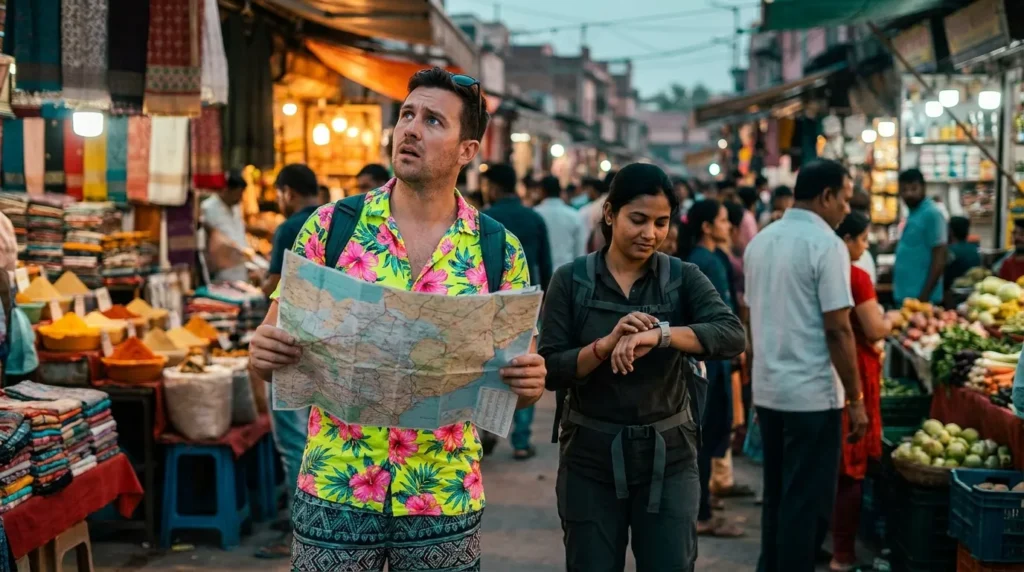
I remember standing in the middle of a busy plaza in Rome. My neck was sore from looking up at the statues, and I had a giant paper map unfolded in both hands. I felt like I was enjoying the view, but in reality, I was painting a giant bullseye on my back. Within minutes, someone tried to “help” me with directions while their friend reached for my pocket. That moment changed how I look at travel forever. I realized then that my safety wasn’t just about where I went, but how I presented myself to the world.
When we travel, we often focus on the fun stuff like food and museums. We forget that in many cities, there are people whose entire “job” is spotting people like us. I learned the hard way that looking like a tourist makes you look like an easy mark. It tells everyone around you that you are distracted, likely carrying cash, and don’t know the local rules. It’s a heavy feeling when you realize your dream vacation could turn into a nightmare just because of the shoes you chose to wear.
The stress of being a target is real and it can ruin your peace of mind. Many travelers spend their whole trip clutching their bags or looking over their shoulders. This constant fear stops you from actually enjoying the culture you traveled so far to see. It’s not just about losing money or a phone; it’s about the feeling of being violated and unsafe in a foreign land.
- You feel like everyone is staring at you.
- You worry about every stranger who approaches you.
- The joy of exploring is replaced by a high state of anxiety.
- One small mistake could lead to a major security problem.
We all want to explore the world without feeling like a victim. But how do we bridge the gap between being a visitor and being invisible? It starts with understanding that safety begins long before you leave your front door. It’s about a mindset of blending in, both with your physical appearance and your daily habits.
Why Making Yourself a Target is a Huge Risk
When you stand out, you invite unwanted attention. Petty thieves and scammers look for people who are disoriented. If you are staring at your phone or a map, you aren’t watching your surroundings. This lack of situational awareness for travelers is the number one reason people get pickpocketed. It’s important to check the official U.S. Department of State Travel Advisories to understand the specific risks in the area you are visiting.
Another risk is being overcharged or scammed. When a vendor or taxi driver sees a “typical” tourist, the price often doubles. By not blending in, you are basically saying you don’t know the local economy. This is why learning to avoid common tourist scams abroad is a top priority for any smart traveler. It saves you money and keeps you out of uncomfortable situations.
The Connection Between Personal Safety and Home Security
Most people don’t realize that being a “tourist” starts at home. If your house looks empty while you are away, you are just as much of a target as you are on the streets of Paris. Criminals in your own neighborhood look for signs of an empty house. This is why having an international travel security protocol includes more than just your passport.
Before you leave, you need to think about the “invisible” dangers inside your home. For example, many people forget about electrical cord fire safety for empty homes. A frayed cord or a device left plugged in can cause a fire while you are thousands of miles away. According to the National Fire Protection Association, electrical failures are a leading cause of home fires. Checking your cords is just as important as locking your front door.
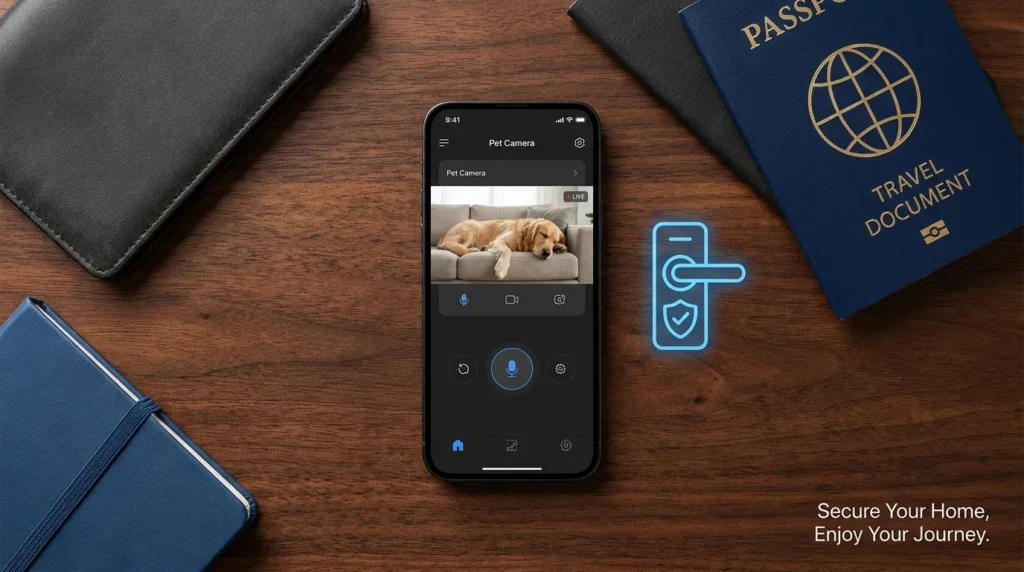
Also, consider your pets and plants. Leaving toxic indoor plants where a pet can reach them while you are gone is a major risk. Even if you have someone checking in, accidents happen fast. I always suggest using pet cameras for home monitoring while traveling to keep an eye on things. It gives you peace of mind to see your home and pets are safe in real-time.
The Wardrobe Secret: Dressing to Disappear
The easiest way to blend in is to change what you wear. In the US, we love our baggy hoodies and bright sneakers. In Europe, people tend to dress a bit more formally and in muted colors. If you want to know how to look like a local to stay safe, look at the people around you. Avoid wearing shirts with giant logos or sports teams from back home.
I once made the mistake of wearing a bright neon backpack in a quiet village. I stood out like a sore thumb. Now, I use a plain, dark-colored bag that doesn’t scream “I have expensive gear inside.” This simple change makes a huge difference in how people treat you. You should also learn how to safely hide cash and passports while traveling so that even if you are spotted, your valuables are safe.
Choosing the Right Footwear
Nothing says “tourist” like giant white running shoes. While comfort is key, try to find a middle ground. Many locals wear leather sneakers or stylish boots that are still comfortable for walking. If your shoes are clean and match the local style, you are much less likely to be targeted. Safety is often about the small details that make you look like you belong.
My Personal Pro Tip:I used to carry my heavy camera around my neck all day. I thought I looked like a serious photographer. Instead, I looked like a payday to every thief in sight. Now, I keep my camera in a regular-looking messenger bag and only take it out when I am actually taking a photo. It feels much safer and I blend in much better.
Watch this expert guide on how to pack like a pro and stay invisible on your next trip!
Mastering the Local Walk and Talk
The way you move through a city tells a story. Locals walk with purpose. They know where they are going. If you are lost, don’t stop in the middle of the sidewalk to check your phone. Instead, step into a shop or a cafe. This makes it look like you are just a local taking a break. It’s all about maintaining that solo travel safety guide for beginners mindset.
Communication and Volume
Americans are often known for being loud in public spaces. In many parts of Europe and Asia, speaking loudly in a train or restaurant is a clear sign you are a tourist. Try to keep your voice at a lower volume. Also, learning a few basic phrases in the local language goes a long way. Even a simple “hello” and “thank you” shows respect and makes you look like an experienced traveler rather than a clueless visitor.
Research from Harvard University on Safety Abroad suggests that behaving in a way that respects local norms significantly reduces your risk of being targeted. People are more likely to help someone who seems to respect their culture.
Secure Your Sanctuary: Home Safety While You Are Away
While you are learning to blend in abroad, don’t forget to secure your home. A house that looks lived-in is much less likely to be robbed. You can use best smart door locks for remote security to let people in for deliveries or cleaning without giving out a key. This keeps your home safe and gives you a digital record of who comes and goes.
Another thing to check is your kitchen. Many people leave for a trip and forget about avoiding food poisoning when traveling by cleaning out their fridge before they leave. Old food can rot and attract pests, creating a health hazard when you return. It’s all part of a complete safety plan.
Protecting Your Tech and Data
Digital safety is just as important as physical safety. When you are in a hotel, use a hotel room security locking guide to protect your laptop and other gadgets. Many tourists leave their tech sitting out on the bed, which is an unnecessary risk. Always use the room safe or a lockable suitcase.
Remember that looking like a tourist isn’t just about your clothes. It’s about your digital footprint too. Using public Wi-Fi to check your bank account at a busy airport is a huge mistake. Use a VPN and stay alert. This is part of the broader international travel security protocol that every modern traveler should follow.
Practical Steps for a Safer Journey
To wrap up this part of the guide, let’s look at a few more practical steps. Always have a backup plan. If you are using a ride-sharing app, make sure you know the ride-sharing safety apps vs local taxis differences in that country. Some places are safer with apps, while others prefer official city taxis.
- Check your surroundings before you pull out your wallet.
- Don’t wear expensive jewelry or watches.
- Keep your phone in your front pocket or an inner jacket pocket.
- Always have a physical copy of your emergency contacts.
By following these steps, you are not just “not looking like a tourist.” You are becoming a smart, savvy traveler who knows how to stay safe. You are protecting your money, your gear, and most importantly, your peace of mind. Travel should be about discovery, not about being a victim.
I’ve spent years traveling and I still make mistakes. But the goal is to learn and adapt. Every trip is a chance to get better at blending in. Whether you are walking through the streets of London or hiking a trail, these tips will help you stay out of trouble. Make sure to check our essential hiking safety tips for beginners if your travels take you into the wilderness.
Mastering the Art of Invisible Travel
Moving beyond just your clothes, blending in means managing your digital and physical habits. One of the best secrets I have learned is to use the “Local Delay” method when using your phone. Most visitors pull out their phones the second they step off a bus or train. Instead, wait a few minutes and walk a block away before checking your GPS.
This small habit makes you look like someone who knows where they are going. It keeps you from becoming a target for “phone snatchers” who hang out at transit hubs. You should also make sure you have a solid international travel security protocol in place before you even land. This includes having your maps downloaded so you can use them offline without looking like you are searching for a signal.
Another advanced tip is to watch how locals handle their money. In many parts of Europe, people use contactless payments for almost everything, even a small coffee. If you pull out a thick wallet full of cash, you are instantly marked as a tourist. Try to use your phone or a single card kept in an easy-to-reach but secure spot.
Health Safety as a Stealth Tactic
Being sick makes you vulnerable and very easy to spot. A traveler who is constantly looking for a bathroom or leaning against a wall in pain is a prime target for scammers. This is why knowing how to check water quality traveling is a major safety skill. I always carry a small portable water tester or stick to trusted bottled brands in areas with poor tap water.
According to the CDC Health Information for Travelers, stomach issues are the most common reason travelers seek medical help. When you are physically weak, your situational awareness drops to zero. Staying healthy is a big part of staying invisible and safe.
Home Security Secrets for Long-Term Travel
If you are going to be away for weeks, your home needs to look “busy” every single day. I found that simple timers aren’t enough because they turn on at the exact same time every night. Thieves notice these patterns very easily. Instead, I use smart bulbs that I can control from my phone at different times.
It also helps to have a neighbor move your trash cans or pick up any random flyers left on your door. A house with a pile of mail or a lonely trash can is a loud signal that no one is home. You can also use a hotel room security locking guide for your own home’s “safe room” where you keep your most expensive items while you are gone.
I also recommend setting up a few smart water sensors near your washing machine and water heater. If a pipe leaks while you are in another country, you will get an alert on your phone. This prevents a small problem from becoming a disaster that forces you to rush home and end your trip early.
Maintaining Your Stealth Over Time
Blending in is a marathon, not a sprint. On the first day, we are all careful, but by day five, we get comfortable and lazy. That is usually when things go wrong. I make it a game to see how long I can go without anyone asking me where I am from. It keeps my mind sharp and my eyes open.
Try to eat at places that don’t have menus in five different languages. Not only is the food better, but you are also surrounded by locals who will make you blend in naturally. If you feel like you are being followed, stop at a local grocery store and buy something small. It gives you a reason to be there and lets you scan the area safely.
The Hidden Traps That Most Travelers Fall Into
One of the biggest mistakes I see people make is oversharing on social media in real-time. I know it is tempting to post that beautiful sunset photo immediately. But when you do that, you are telling the world exactly where you are and, more importantly, that your home is empty. Wait until you are back at your hotel or even back from your trip to share those memories.
Digital footprints are just as dangerous as physical ones. Thieves often check location tags on Instagram to find wealthy-looking travelers in their area. It is a scary thought, but being a “digital tourist” is just as risky as wearing a “I Love NY” shirt in Paris. For more on this, check out the EFF (Electronic Frontier Foundation) on Travel Privacy for tips on protecting your data.
Another common pitfall is trusting “friendly” locals too quickly. I don’t mean you should be rude, but be wary of anyone who approaches you first with a “free” gift or a “secret” tip. Most genuine local interactions happen naturally, not through someone stopping you on the street. If someone is too pushy, just keep walking and don’t engage.
The “Safe” Transportation Trap
Many people think that taking a taxi is always safer than walking, but that isn’t always true. Unlicensed taxis are a huge risk for travelers. They can overcharge you or even take you to a secondary location. Always check the ride-sharing safety apps vs local taxis situation for your specific city. In some places, a tracked app is 100 times safer than a car you hail on the street.
Also, be careful with your rental cars. Leaving a backpack or even a jacket visible on the seat is like an invitation for a smash-and-grab. Even if the bag only has dirty laundry, a thief doesn’t know that. They see a bag and think “laptop” or “camera.” Always keep your car completely empty when you park it, as mentioned in our car rental safety checklist.
Ignoring Your Body Language
I used to walk around with a look of total confusion on my face. I would stop in the middle of a doorway to look at my map. This “tourist stare” is a giant red flag. Even if you are totally lost, walk like you have a very important meeting to get to. Your body language should say “I live here and I am busy,” not “I am lost and I have money.”
According to the OSAC (Overseas Security Advisory Council), criminals look for “soft targets”—people who look distracted or unsure. By simply standing up straight and walking with a steady pace, you make yourself a “hard target.” It costs nothing to change your posture, but it can save you from a lot of trouble.
Your Burning Questions Answered
How can I take photos without looking like a tourist?
The best way is to use your phone instead of a giant DSLR camera when you are in crowded areas. If you must use a big camera, keep it in a plain bag and only take it out for the shot. Avoid using a selfie stick, as they scream “tourist” from a mile away and block the sidewalk.
Is it really that bad to wear a backpack?
Backpacks aren’t always bad, but how you wear them matters. In many cities, locals wear small, stylish leather or canvas backpacks. Avoid the giant “backpacker” style bags with lots of dangling straps and water bottles. Also, in crowded subways, many people wear their bags on their chests to prevent pickpocketing.
What should I do if a stranger tries to help me?
Politely say “No, thank you” and keep moving. If they persist, walk into a nearby store or a hotel lobby. Never follow a stranger to a “better” viewpoint or a “cheaper” shop they recommend. Most travel scams start with a friendly person offering unsolicited help.
How do I make my home look occupied?
Use smart plugs for your lamps and even a “TV light simulator” that mimics the glow of a television at night. Ask a neighbor to use your driveway occasionally if you have a car. You can also learn how to safely hide cash and passports while traveling to ensure your most important items are safe even if someone does enter.
What are the most common food risks for travelers?
Eating at “tourist trap” restaurants often leads to poor hygiene because they don’t rely on repeat customers. Stick to places that are busy with locals. To stay safe, read about avoiding food poisoning when traveling before your next big trip to know which foods to avoid in specific regions.
Your New Path to Worry-Free Adventure
Blending in is not about hiding who you are. It is about respecting the place you are visiting and being smart about your own safety. When you look and act like a local, you open doors to much more authentic experiences. People treat you differently, and you get to see the real heart of a city rather than just the polished tourist spots.
I want you to feel confident on your next journey. You have the tools now to protect your home and yourself. Security is a habit, and once you start practicing these tips, they will become second nature to you. You won’t even have to think about it; you will just naturally move with more awareness and ease.
I have found that the less I look like a tourist, the more I actually enjoy my travels. I feel more like a guest and less like a target. I really hope you take these steps to heart and start your next trip with a new sense of peace. Trust me, the world is a much friendlier place when you know how to walk through it safely.
Disclaimer: The information on this blog is for educational purposes only. While we strive for accuracy, travel conditions and safety risks change constantly. Always check local laws and official government travel advisories before your trip. Securely Life is not responsible for any incidents that may occur during your travels.