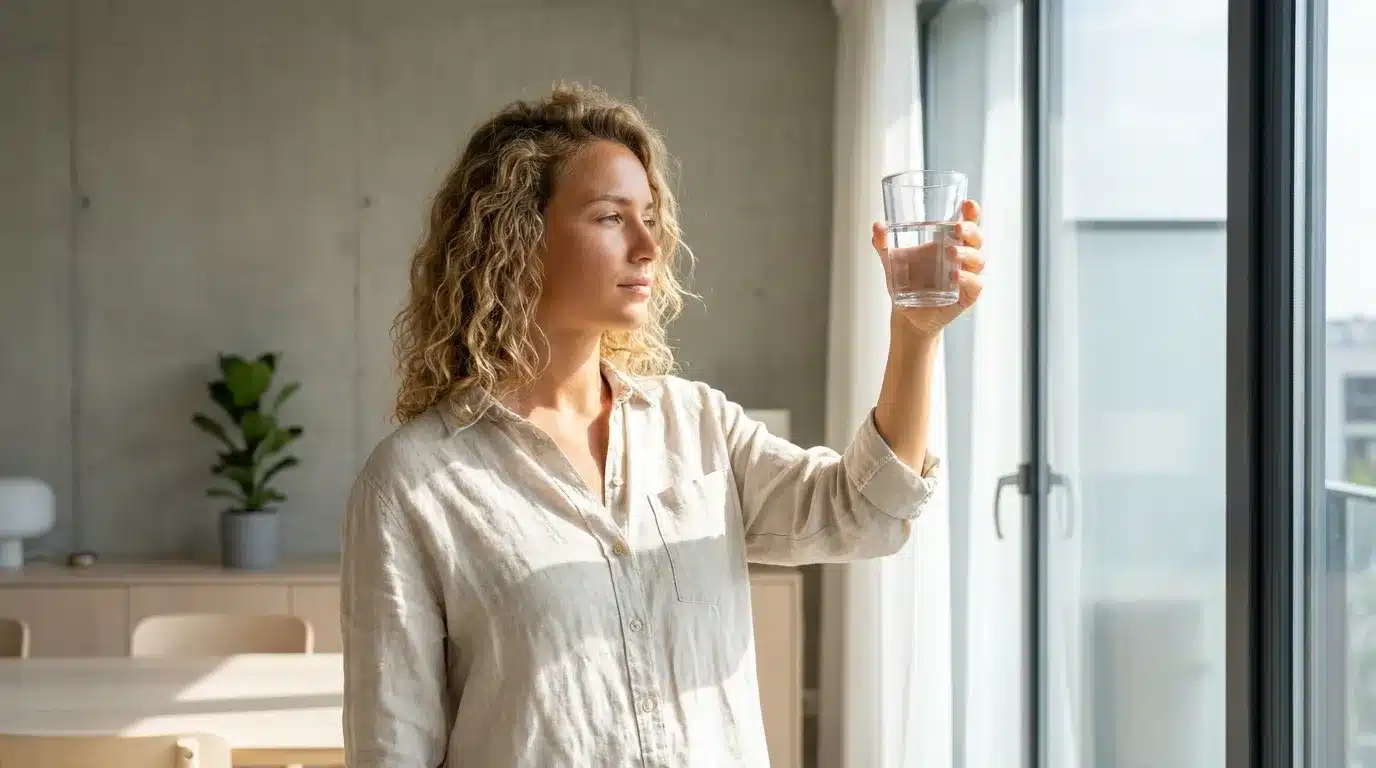
Imagine you finally arrive at your dream destination after a long, tiring flight. You are thirsty, and the hotel tap looks clean and inviting.
You take a big gulp, thinking nothing of it. But within hours, your dream vacation turns into a painful nightmare of stomach cramps and high fever.
This is the scary reality for thousands of travelers every single day, according to travel health statistics by the CDC. We often take water for granted because it looks clear and smells fine.
However, invisible bacteria and heavy metals do not always leave a trace that our eyes can see. Getting sick in a foreign place can lead to severe dehydration and a long stay in a local hospital.
The fear of drinking the wrong thing can cast a dark shadow over your entire trip. To maintain a truly securely life on the road, knowing how to handle environmental risks is highly essential.
Understanding the strict safety standards managed by the World Health Organization will keep you safe during international journeys.
Why Travelers Often Struggle to Find Safe Water
- Trusting Visual Clarity: Many people believe that if water is clear, it is safe. In reality, some of the most dangerous parasites are completely invisible to the naked eye.
- Misleading Advice from Locals: Local residents often have built up immunity to certain bacteria in their water. They might tell you the water is fine, but your system cannot handle those same germs.
- The Ice Cube Trap: Travelers forget that ice is often made from the same tap water they are trying to avoid. One cold drink can ruin your health for a week.
- Relying on High-End Hotels: Just because a hotel is expensive does not mean its pipes are modern or clean. Old plumbing can leak lead or copper into the water supply.
- Lack of Proper Tools: Most travelers do not carry a portable water testing kit for travel. They guess and hope for the best, which is a dangerous game to play.
How Water Anxiety Affects Your Travel Experience
- Loss of Spontaneity: You might find yourself too afraid to try local foods or drinks. This keeps you from truly experiencing the culture you traveled so far to see.
- Constant Mental Stress: Instead of looking at the beautiful scenery, you are constantly scanning for the next bottle of sealed water. This mental load is exhausting.
- Financial Drain: Buying bottled water for every single need, including brushing your teeth, adds up quickly. It is an extra cost that many people do not plan for.
- Physical Weakness: If you are too afraid to drink, you will become dehydrated. This makes you tired, gives you headaches, and ruins your energy for sightseeing.
“I have seen people lose their confidence entirely after one bad experience with water. They stop wanting to explore and just want to go home. It is a heartbreaking way to end a journey that was supposed to bring joy.”
The truth is, you can stay safe if you know the right signs to look for. You do not have to be a scientist to understand water safety.
By learning a few simple skills, you can protect your health. This allows you to keep your focus on the adventure ahead.
6 Practical Steps to Verify Water Safety Anywhere
You do not need a laboratory to start checking your water. You can begin with your own senses and a few smart habits. The goal is to move from guessing to knowing exactly what is in your glass.
Step 1: Perform a Detailed Sensory Inspection
The first thing you should do is use your eyes and nose. This is the simplest way to catch big problems before they enter your body. Never drink water that shows any sign of cloudiness or “turbidity.”
Fill a clear glass with tap water and hold it up to a bright light. Look for tiny floating particles or a milky appearance. If the water looks cloudy, it likely contains high levels of minerals or even organic waste.
Next, give it a good sniff. If you smell something like rotten eggs, that is sulfur. While it might not always make you sick, it is a sign that the water source is not well-treated.
A strong smell of chlorine is actually a good sign in some countries. It means the city is at least trying to kill the bacteria in the water supply.
Finally, check for any metallic smell. This could mean the pipes in your building are old and rusting. If you see any brown or yellowish tint in the water, stop immediately. That is a clear sign of rust or soil entering the water line.
Step 2: Use Modern Apps and Government Databases
We live in a world where information is everywhere. You can use your phone to find out how to know if tap water is safe to drink in almost any city.
Check websites like the CDC or local health department pages for the country you are visiting. This is a crucial habit if you want to avoid food poisoning while traveling.
There are also apps created by travelers that give real-time updates on water safety. They use data from thousands of users who report their experiences. Look for the “Can I Drink It?” features in popular travel safety apps.
When you talk to locals, ask a very specific question. Instead of asking “Is this water safe?”, ask “Do you drink this water without boiling it first?” This forces a more honest answer about the local habits.
If you are staying in a hotel, ask the staff if they have a central filtration system. Some modern hotels in big cities have their own UV filters or reverse osmosis plants. Getting this information from the source gives you a much higher level of confidence.
Step 3: Use a Portable Water Testing Kit for Travel
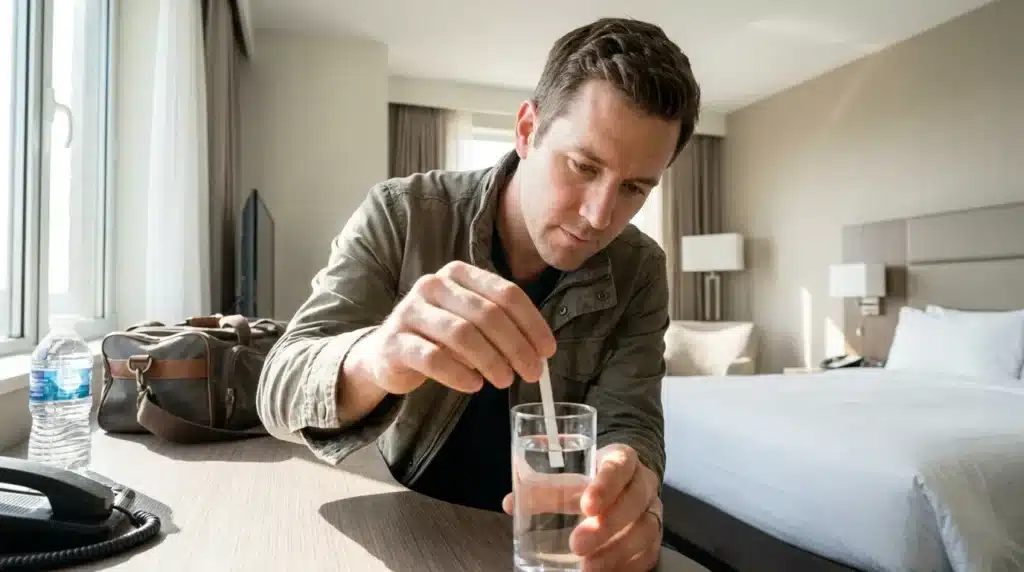
If you want to be 100% sure, you should carry your own tools. A portable water testing kit for travel is small and easy to pack in your suitcase.
These kits usually come with strips that change color when they find harmful chemicals. You can test for lead, mercury, and high levels of chlorine in just a few seconds.
Another great tool is a TDS (Total Dissolved Solids) meter. This small device tells you how many particles are dissolved in the water.
A very high TDS reading often means the water is “hard” or contains too many minerals. While high TDS isn’t always a health risk, it shows that the water hasn’t been filtered well. If the meter shows a very high number, you should stick to bottled or purified water.
I also recommend carrying pH strips. If the water is too acidic or too alkaline, it can cause stomach upset even if it is free of bacteria. Keeping the pH around 7.0 is the gold standard for drinking water.
Step 4: Watch for Signs of Contaminated Hotel Tap Water
Even in nice hotels, the water might not be perfect. You need to look for signs of contaminated hotel tap water in the bathroom and common areas.
Look at the faucets and showerheads for white, crusty buildup. This buildup is called scale. It means the water is very hard and full of calcium. While not poisonous, it can harbor bacteria inside the pipes.
If the hotel room has a kettle, check the inside for any slime or rust. This step is heavily recommended in our guide on hotel room security and locking setup.
If you turn on the tap and the water comes out “sputtering” with air, it might mean there was a recent break in the water line. This is a huge red flag because dirt and bacteria can enter the pipes during a repair.
Wait at least 24 hours after a pipe repair before even considering using the tap water. In the meantime, use your travel water safety checklist. Your safety is worth the extra caution.
Step 5: Master the Art of Boiling and UV Treatment
If you find that the water is not safe, you need to know how to fix it. Boiling is the most reliable way to kill germs. You must bring the water to a rolling boil for at least one full minute.
If you are at a high altitude, you should boil it for three minutes. This is because water boils at a lower temperature in the mountains. Boiling kills bacteria, viruses, and parasites that cause “Traveler’s Tummy.”
If you cannot boil water, a UV light pen is a great alternative. These devices use ultraviolet light to destroy the DNA of germs. It takes about 60 seconds to treat a whole bottle of water with a UV pen.
Keep in mind that UV light does not remove chemicals or heavy metals. It only kills living organisms. For the best results, use a physical filter first to remove dirt, then use UV light or boiling to kill the germs.
Step 6: Identify Safe Bottled Water Sources
Sometimes, bottled water is your only choice. But even then, you must be careful. Some dishonest shops refill old bottles with tap water and glue the caps back on.
Always check the seal on the cap. It should be tight and make a “click” sound when you open it. Hold the bottle upside down and squeeze it gently. If any water leaks out, the seal is broken.
Look at the brand name and the label quality. Large, international brands have much stricter quality controls. If the label looks blurry or poorly printed, it might be a fake product.
Avoid buying water from street vendors who keep the bottles in direct sunlight. Heat can cause chemicals from the plastic to leak into the water. Always look for bottles stored in a cool, dark place to ensure the best quality.
By following these steps, you take control of your health. You are no longer at the mercy of unknown water systems. You have the knowledge to verify your water and stay hydrated safely.
Staying healthy while traveling is a skill that gets better with practice. The more you use these tips, the more natural they will feel. If you are entirely new to this, checking out a solo travel safety guide for beginners can give you extra confidence.
Remember, the goal is not to be afraid, but to be smart. When you know how to check water quality while traveling, the whole world becomes your playground. Stay safe, keep testing, and drink plenty of clean water on your journey.
Mastering Professional Water Filtration Techniques
Beyond basic boiling and looking at water color, there are expert methods to keep yourself safe. I have found that the most reliable travelers use a “multi-stage” approach. This means they do not just rely on one method, but use two or three layers of protection.
One of the best secrets is using a hollow fiber membrane filter. These filters contain thousands of tiny tubes that look like microscopic straws. The holes in these tubes are so small that bacteria and protozoa cannot pass through them.
When you push water through these filters, the germs get stuck on the outside. This gives you clean water instantly without any weird chemical taste. I always recommend carrying a portable squeeze filter because it is lightweight and lasts for thousands of liters.
Another advanced tip is using chemical droplets like chlorine dioxide. Many people use standard iodine, but chlorine dioxide is much more effective against stubborn parasites like Cryptosporidium. It also does not leave a strong medicinal aftertaste in your mouth.
If you are dealing with very cloudy or muddy water, you should use the “settling” method first. Fill a large container and let it sit for a few hours until the dirt sinks to the bottom. Pour the clear water from the top into your filter to prevent the filter from clogging up too fast.
Building a Lifetime of Water Safety Habits
Staying safe in the long run requires a change in how you think about every drop of liquid. The most successful travelers create a personal Safe Water Protocol that they follow every single day. This protocol starts the moment you wake up and ends when you go to sleep.
You should always keep a dedicated “clean” bottle and a “dirty” bottle in your bag. Never let the two touch or swap their caps by mistake. Labeling them with different colored tape is a great way to avoid a dangerous mix-up.
Every time you move to a new city or country, do a quick “water audit.” Setting up a water check alongside learning how to safely hide cash and passports while traveling will double your overall security network.
We also need to think about the environment while staying safe. Instead of buying ten plastic bottles a day, invest in a high-quality reusable bottle with a built-in filter. This protects your health while also keeping the beautiful places you visit free from plastic waste.
Finally, teach these habits to your travel partners or family members. If everyone in your group follows the same rules, the risk of cross-contamination drops to almost zero. Safety is always more effective when it is a team effort.
The Most Dangerous Mistakes Travelers Make
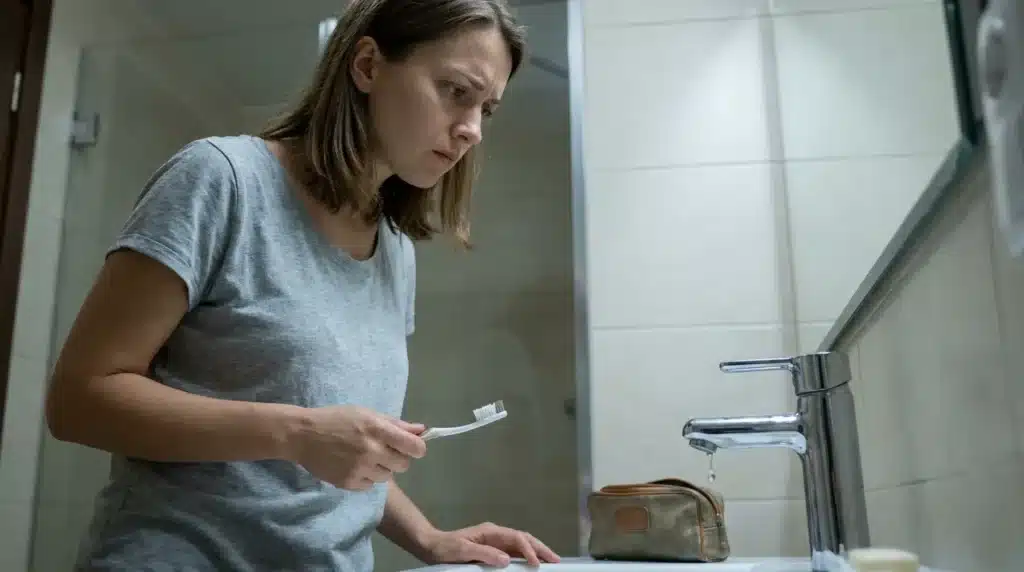
Even the most careful people can slip up if they are tired or distracted. These small errors often lead to the biggest health problems. The most common mistake is brushing your teeth with tap water. We do it on autopilot in a hotel, but even a small amount can introduce thousands of germs into your system.
Dangerous Pitfalls to Watch Out For:
- Trusting “Filtered” Water in Restaurants: Many cafes use a simple charcoal pitcher that only removes the taste of chlorine. These filters do not kill viruses or dangerous bacteria, yet travelers drink it thinking it is safe.
- Washing Raw Fruit and Veggies: If you wash an apple with local tap water, you are covering that fruit in invisible germs. Always peel your fruit yourself or wash it with water you have already purified.
- Forgetting About the Ice: This is the classic “traveler’s trap.” You might buy a safe bottled soda but then pour it over ice made from dirty tap water.
- Opening Your Mouth in the Shower: It sounds funny, but many people accidentally swallow water while washing their hair. In high-risk areas, try to keep your mouth tightly shut or use a washcloth instead.
- Reusing Disposable Bottles Too Many Times: The plastic in cheap water bottles breaks down quickly and can grow bacteria in tiny scratches. Keeping clean containers is a core rule for digital nomad hostel safety and personal health.
If you ignore these warnings, you risk more than just a bad stomach. Serious water-borne illnesses can lead to long-term issues like kidney damage or severe liver infections. Some parasites can stay in your body for months before you even notice the symptoms.
Another risk is “Secondary Contamination.” This happens when your clean water touches a dirty surface, like a glass that was washed in tap water. Always dry your glasses and plates with a clean paper towel before using them in high-risk zones.
I also see many travelers who wait until they are thirsty to look for safe water. This leads to desperation, and desperate people make bad choices. Always have at least one liter of safe water in your bag before you leave your hotel for the day.
Your Common Water Safety Questions Answered
What should I do if I accidentally drink tap water?
Do not panic, as stress can also upset your stomach. Keep a close watch on how you feel for the next 24 to 48 hours. Drink plenty of safe, bottled water to help flush your system and consider taking a probiotic to support your gut health.
Are water purification tablets safe for long-term use?
Most tablets are fine for a few weeks of travel. However, iodine tablets can be a problem for people with thyroid issues or for pregnant women. If you are traveling for months, a physical filter or a UV light pen is a much better and safer option.
Can I trust the “Potable Water” signs in airports?
In many developed countries, these signs are highly reliable and the water is tested daily. In developing regions, however, these signs might be old or the filters might not have been changed in years. When in doubt, use your own portable filter just to be on the safe side.
Does boiling water remove heavy metals like lead or mercury?
No, boiling only kills living organisms like bacteria and viruses. In fact, boiling can actually increase the concentration of heavy metals because some of the water evaporates. If you suspect heavy metals, you must use a filter specifically designed to remove them, like an activated carbon block.
How do I know if my bottled water is actually fake?
Look for a plastic shrink-wrap seal over the cap. If the cap turns too easily or does not make a loud snapping sound, do not drink it. Also, check the bottom of the bottle for any small holes that might have been used to refill it with a needle.
Start Your Journey with Total Confidence
Learning to verify water quality is like learning a new language. At first, it feels like a lot of work, but soon it becomes a natural part of your life. You are now equipped with the same knowledge that professional safety consultants use to stay healthy abroad.
You have the power to protect yourself and your loved ones from invisible threats. No more guessing, no more worrying, and no more ruined vacations. You can now walk into any hotel or remote village and know exactly how to find a safe drink.
I want you to feel excited about your next trip. Use the tips we discussed, like sensory checks and portable filters, to stay hydrated and strong. The world is full of amazing places to see, and you deserve to see them all in perfect health.
Take the first step today by putting together a small water safety kit. Include some testing strips, a few purification tablets, and a reliable reusable bottle. This small investment will give you a lifetime of safe and happy travels.
Go ahead and plan that big adventure you have been dreaming about. With these skills in your pocket, you are ready to explore the world with total peace of mind. Stay safe, stay hydrated, and enjoy every single sip of your journey.
Disclaimer: The information provided in this article is for educational and informational purposes only. Water conditions can change rapidly due to weather, infrastructure failure, or local pollution. While the methods described here (such as boiling, filtering, and UV treatment) are generally effective, they do not guarantee 100% safety in every situation. Securely Life and the author are not responsible for any illness, injury, or loss resulting from the use of these tips. Always consult with a travel medicine specialist or a local health authority before traveling to high-risk areas. Use your own judgment and prioritize your safety at all times.