I remember landing in a busy city where I couldn’t read any of the signs and my phone battery was almost dead. I felt a huge knot in my stomach wondering if I was about to be scammed by the first person I talked to. That scary moment taught me that just “hoping” for the best isn’t enough, and it is why I spent years building this protocol to keep my own family safe.
Imagine stepping off a long flight into a city where you don’t speak the language. The air is different, the signs are confusing, and everyone seems to be moving with a purpose you don’t yet understand. While you feel the thrill of adventure, there is a small voice in your head asking, “Am I actually safe here?”
For many, this dream vacation quickly turns into a high-stress ordeal. You might find yourself constantly clutching your bag or worrying if your solo travel safety guide was enough to prepare you. This anxiety is not a sign of weakness; it is a natural response to being in an environment where you don’t know the rules.
The problem is that most people rely on “hope” rather than a real plan. They think that because they have traveled before, they can handle any situation. But modern risks, from digital theft to sophisticated street scams, require more than just common sense. Without a solid protocol, you are essentially leaving your safety to chance.
Why Traditional Advice Fails and How Misinformation Puts You at Risk
Many travelers get their information from outdated blogs or social media influencers who prioritize aesthetics over actual security. This leads to a dangerous gap in knowledge. Here is why following the wrong advice can be a disaster:
- Survivorship Bias: Just because one person walked through a dangerous neighborhood at night and stayed safe doesn’t mean it is a smart move for everyone.
- Outdated Tactics: Scammers change their methods every month, but many travel blogs still recommend security tips from ten years ago that no longer work.
- Generalization: Advice that works in London might be completely useless or even dangerous when applied to a rural area in South America or Southeast Asia.
- Lack of Digital Awareness: Most traditional guides ignore the importance of water quality or digital security, focusing only on physical pickpockets.
- Ignoring Local Laws: Many travelers assume that what is legal at home is legal everywhere, which can lead to serious legal trouble in foreign countries.
How a Lack of Structure Destroys Your Mental Peace and Confidence
When you don’t have a clear security framework, your mind is never truly at rest. Instead of enjoying the sights, you are trapped in a cycle of worry that ruins the experience.
- Constant Hyper-Vigilance: You spend more time looking over your shoulder than looking at the monuments, leading to exhaustion and burnout.
- Decision Fatigue: Every simple task, like picking a taxi or a restaurant, becomes a source of stress because you aren’t sure who to trust.
- Loss of Freedom: You might end up staying in your hotel room more than you planned because the outside world feels too unpredictable and risky.
- Reduced Confidence: A single minor incident, like a small scam, can shatter your confidence and make you want to end your trip early.
- Ruined Memories: When you look back at your photos, you remember the fear and tension rather than the beauty and joy of the destination.
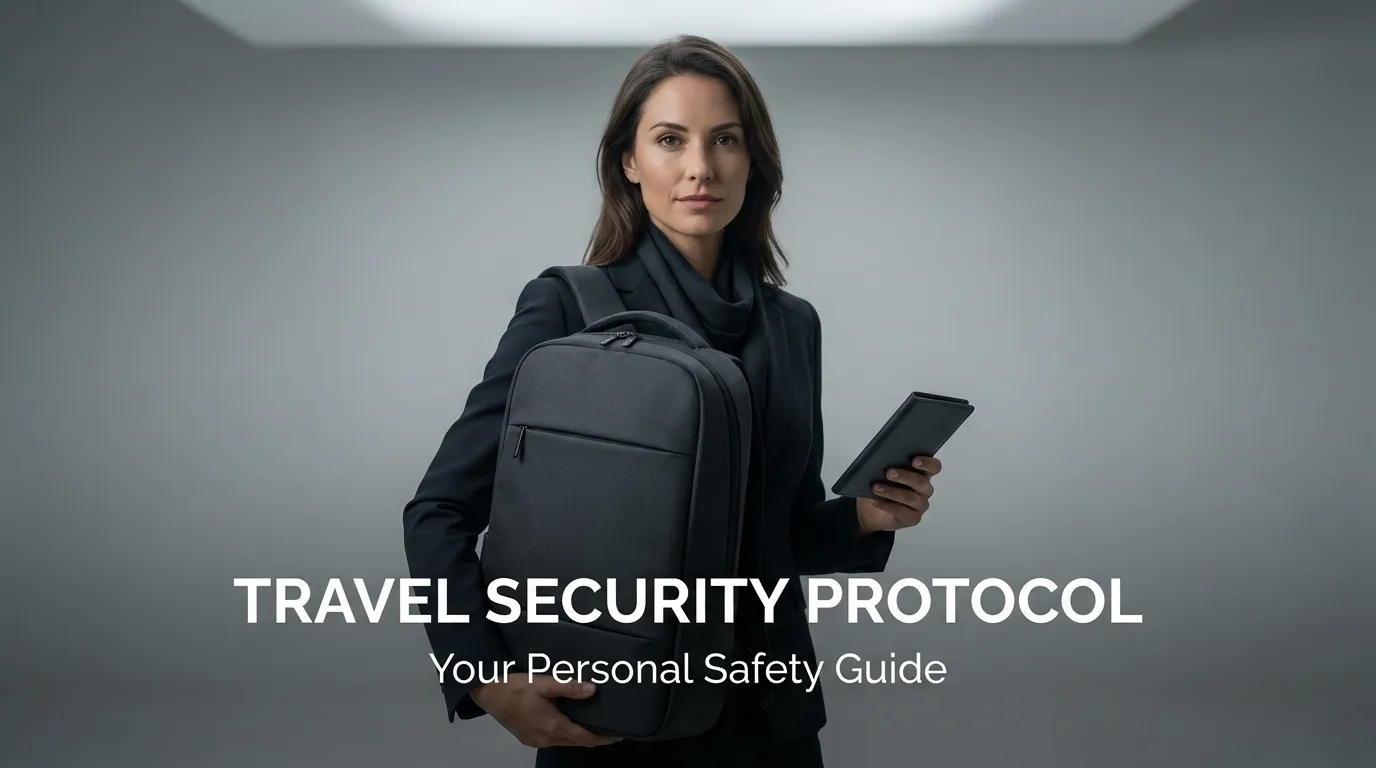
The Master Protocol: A Step-by-Step Educational Roadmap to Safety
Phase 1: Establishing a Proactive Security Mindset
Before you even book your flight, you must understand that safety is a proactive process. It is not something that happens to you; it is something you create. The first step is always research. Use official resources like the U.S. Department of State to check for travel advisories and crime statistics.
You should also look into local customs to avoid standing out as a target. Dressing like a local and walking with purpose can prevent 80% of unwanted attention. If you look like you know where you are going, scammers are less likely to approach you.
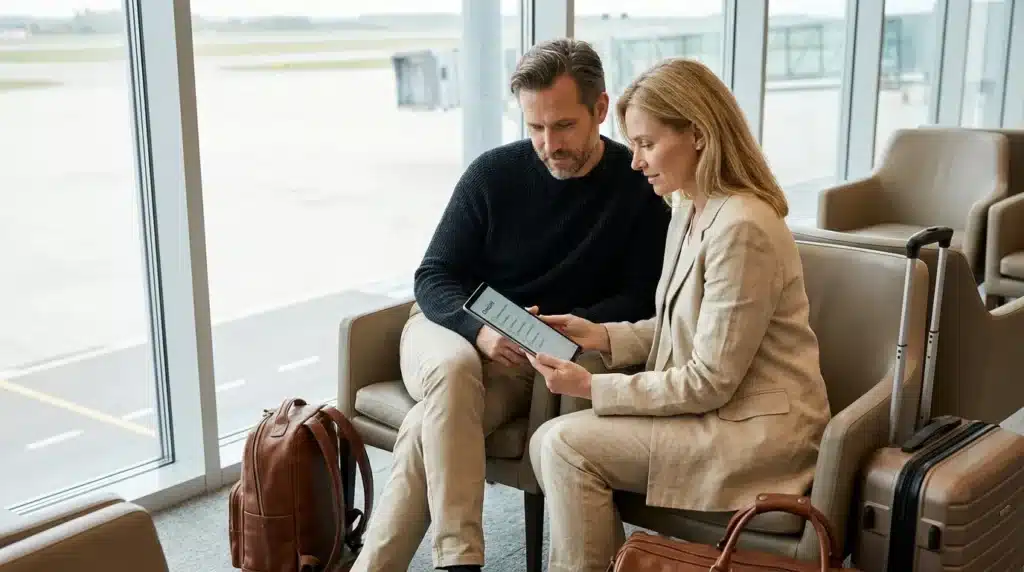
If you are a beginner, it is helpful to start with a practical guide for solo travel. This helps you build the mental muscles needed to handle unexpected situations without panic. Remember, confidence is your best shield when moving through a busy international terminal.
Phase 2: Protecting Your Lifelines (Money and Identity)
One big mistake I made on my first big trip was keeping all my cash in one single wallet. When that wallet went missing, I was stuck with nothing in a place where I didn’t know a single soul. Now, I always hide emergency bills in my socks and a secret bag pocket so I am never truly stranded if something goes wrong.
Your passport and your cash are your two most important assets. If you lose them, you lose your ability to move and your ability to get help. Most travelers make the mistake of keeping all their valuables in one place, usually a single wallet or a backpack.
You must adopt a diversified storage strategy. This means you should learn how to safely hide cash and passports in at least three different locations. Keep a small amount of “spending money” in an easy-to-reach pocket. Keep your main cash and passport in a hidden body pouch or a specialized money belt.
Always keep a digital backup. Take high-quality photos of your documents and store them in an encrypted cloud drive. If your physical copies are stolen, having these digital versions will make the replacement process at your embassy much faster. This is a standard protocol recommended by organizations like the World Health Organization for health records and personal ID.
“A smart traveler is not someone who never faces a problem, but someone who has a backup plan for when problems arise.”
Phase 3: Fortifying Your Temporary Home Base
Your hotel or hostel should be your sanctuary. However, many people forget that hotel rooms are not as secure as they seem. Master keys exist, and basic door locks can often be bypassed by someone with the right tools.
To ensure you are truly safe while you sleep, you need to use secondary locking mechanisms. We recommend looking into expert hotel room security secrets to learn how to properly secure your door. A simple rubber door wedge or a portable travel lock can prevent someone from entering even if they have a key.
Don’t rely on the room safe for everything. Many room safes have a “master override” code that is often left at a factory default like “0000” or “1234.” If you must leave expensive tech behind, consider using a locked, hard-shell suitcase and cable-locking it to a fixed piece of furniture in the room.
Phase 4: Biological Security – Food and Water Safety
Your health is the foundation of your safety. If you are bedridden with a stomach virus, you are vulnerable. In many countries, the local tap water contains bacteria and parasites that your body is not prepared to handle.
You must always verify water quality before drinking or even brushing your teeth. Stick to bottled water with an intact seal or use a portable water purifier. Also, be wary of ice in your drinks, as it is almost always made from the local tap water.
When it comes to eating, the biggest risk is food poisoning. You can significantly reduce this risk by following crucial steps to avoid food poisoning. Look for places with a high turnover of customers, as this usually means the food is fresh. Avoid raw vegetables and fruits that may have been washed in contaminated water; instead, stick to food that has been cooked at high heat.
Phase 5: Navigating Global Transit Systems Securely
The journey from the airport to your hotel is often the most dangerous part of any trip. You are tired, carrying luggage, and unfamiliar with the surroundings. This is the “golden hour” for scammers and unofficial taxi drivers.
You must decide between ride-sharing apps and local taxis based on the local environment. In many cities, apps like Uber are safer because they offer GPS tracking and driver identification. If you must take a local taxi, always ensure it is an official one and agree on the price before the car starts moving.
Keep your bags close during transit. Never put your valuables in the trunk of a car if you can help it. If the driver takes off unexpectedly, you want your most important items to be on your person. Always sit in the back seat and keep the doors locked during the ride.
Phase 6: Adventure and Wilderness Survival Protocols
If your travel involves nature or remote areas, your security risks change. You are no longer worried about pickpockets; you are worried about the environment. Nature does not care about your vacation plans.
Even for a simple day trip, you must follow essential hiking safety tips to stay out of trouble. This includes carrying the “10 Essentials” like a map, compass, and emergency whistle. Many travelers get lost because they rely entirely on their phone’s GPS, which can fail due to battery death or lack of signal.
Always tell someone your plan. Leave a “trip itinerary” with a friend or family member back home. If you don’t check in by a certain time, they will know exactly where to send help. According to the National Park Service, having a “trip plan” is the single most important thing you can do to ensure a rescue if something goes wrong.
The Importance of Environmental Awareness
Being safe isn’t just about the gear you carry; it’s about how you perceive the world around you. Situational awareness is a skill you can develop. It means noticing who is around you and identifying the nearest exit in any building.
When you enter a new space, take ten seconds to scan the room. Is there anyone watching you too closely? Is there a clear path to the door? This habit doesn’t make you paranoid; it makes you prepared. Most criminals look for “soft targets”—people who are distracted by their phones or lost in thought. By being aware, you become a “hard target.”
Trust your intuition. This is a survival mechanism that has been refined over thousands of years. If a street feels too quiet or a person feels “off,” don’t try to be polite. Just leave. Your gut feeling is often your brain processing small warning signs that you haven’t consciously noticed yet.
Building a Local Support Network
You don’t have to be a security expert to stay safe if you know how to find local allies. The staff at a high-end hotel or a local tourism office can be great sources of information. Ask them, “Are there any areas I should avoid today?” or “What is the safest way to get to this landmark?”
They will often have the most up-to-date information about local protests, construction, or recent scam trends. Building a rapport with your hotel concierge can also lead to better service and an extra layer of protection. They will be more likely to notice if you don’t return at your expected time.
In case of a real emergency, you should know the local version of “911.” Every country has a different emergency number. Write this number down and keep it in your wallet. Don’t assume you will be able to look it up on your phone when you are in a state of panic.
Managing Your Digital Footprint on the Move
In our modern world, your physical safety is linked to your digital security. Posting your live location on social media is a common mistake. It tells the world exactly where you are and, more importantly, that your hotel room is currently empty.
Wait until you have left a location before posting photos of it. Also, be careful with public Wi-Fi. It is incredibly easy for hackers to set up fake “Airport Wi-Fi” networks to steal your passwords and credit card information. Always use a trusted VPN to encrypt your data whenever you are using a network that isn’t your own.
Keep your phone locked with a strong passcode. If your phone is stolen, you want to make sure the thief cannot access your banking apps or personal photos. Most modern phones also have a “Remote Wipe” feature that you should set up before you leave. This allows you to delete all your data from a computer if the phone is lost or stolen.
Standardizing Your Daily Security Routine
Consistency is the key to maintaining this protocol. Every morning before you leave your room, do a quick “Security Check.” Do you have your backup cash? Is your phone fully charged? Is your door locked properly?
By making these actions a habit, you remove the stress of having to remember them. They become as natural as brushing your teeth. This allows you to spend 99% of your time enjoying your trip, while your “security background processes” keep you safe in the background.
This is the end of the foundational part of our roadmap. We have covered the mindset, the physical protection of assets, the safety of your home base, and how to move through the world securely. These steps form the bedrock of the [International Travel Security Protocol].
As you move forward, you will learn even more advanced techniques to protect your technology and handle the most serious emergencies. But for now, take a breath. You are already more prepared than 90% of the travelers currently at the airport.
Advanced Tactics for Modern Digital Security and High-Risk Situations
Step 7: Protecting Your Digital Life in Shared Spaces
In today’s world, your laptop and smartphone are your primary windows to your bank accounts, family, and work. For those living the laptop lifestyle, security becomes even more complex. You must have a solid guide to securing tech in shared hostels to ensure you don’t lose your livelihood in a single night.
Hostels and co-working spaces are wonderful for meeting people, but they are also open environments. A common mistake is leaving a phone on a table for “just a second” while grabbing a coffee. This is when opportunity theft happens. Always use physical locks for your bags and never leave your electronics unattended in common areas.
Digital security also means protecting your data from invisible thieves. Public Wi-Fi is notorious for “Man-in-the-Middle” attacks. Hackers can set up fake hotspots that look like official airport or cafe networks. According to Wikipedia’s security protocols, using an encrypted connection is the only way to shield your data from these prying eyes. Always use a trusted VPN whenever you connect to a network that isn’t your own.
Step 8: Psychological Defense Against Global Scams and Fraud
Scammers don’t always use force; they use your emotions and your kindness. They are masters of creating a “false sense of urgency” or a “fake friendship.” To stay safe, you must spot and avoid common tourist scams before they drain your bank account.
One of the most famous tricks is the “helpful local” who tells you a major attraction is closed for a holiday. They then offer to take you to a “better” place, which usually ends in a high-pressure sales situation. Another common one is the “found jewelry” scam, where someone pretends to find a gold ring and offers to sell it to you for a fraction of its value.
Your best defense is to remain polite but firm. It is okay to walk away from a conversation that feels uncomfortable. Scammers look for “soft targets” who are too shy or too polite to say no. By maintaining strong body language and a steady pace, you show that you are an informed traveler who cannot be easily tricked. This is a core part of the FBI’s advice on avoiding scams when moving through high-traffic tourist zones.
Check out this insightful video below to see the top 10 most common travel scams in action! Seeing how these tricks are performed in the real world will help you stay one step ahead of scammers during your next international journey.
Step 9: The International Medical Emergency Protocol
No one wants to think about getting hurt or sick while on vacation, but accidents happen. Navigating a foreign hospital system can be overwhelming, especially if there is a language barrier. This is why you need to know the steps to survive a medical emergency abroad before you ever leave your home country.
Your first line of defense is comprehensive travel insurance. Many people think their home health insurance covers them everywhere, but that is rarely true. A single night in an international hospital can cost thousands of dollars. According to data from Forbes Advisor, medical evacuations can cost over $100,000 in remote areas.
If an emergency occurs, stay calm. Contact your insurance provider immediately, as they often have a 24/7 hotline to help you find the best local clinic. Always carry a physical card that lists your blood type, any severe allergies, and your emergency contact information. This small piece of paper can provide life-saving information to doctors when you are unable to speak for yourself.
Expert Strategies for Long-Term Safety and Result Maintenance
Maintaining your security isn’t just about what you do on the first day. It is about consistent habits that keep you a hard target throughout your entire journey. You should perform a “Daily Security Audit” every morning before you step out of your hotel or hostel.
Check your “Deep Storage” cash to make sure it is still where you left it. Ensure your phone and power bank are fully charged, as a dead phone is a major security risk when you are trying to navigate back to your hotel at night. Most importantly, check the local weather and news for any updates on protests or transit strikes.
Build a “Digital Fortress” around your identity. Use two-factor authentication (2FA) for all your sensitive accounts. This means that even if a thief steals your laptop and gets your password, they still cannot access your bank account without a code from your physical phone. This layer of protection is the industry standard for modern data security.
“True security is not about living in a bunker. It is about having the tools and the knowledge to move through the world with confidence and grace.”
The Power of Local Allies and Community
One of the best ways to stay safe is to blend in and make local connections. This doesn’t mean trusting everyone you meet, but rather using reputable local resources. The staff at a high-end hotel or a licensed tour agency have a vested interest in your safety.
They can tell you which neighborhoods are safe for a walk at night and which ones are currently experiencing a rise in crime. Always ask for their advice on transportation. They often know the specific taxi companies that are honest and those that are known for overcharging foreigners.
If you are staying in one place for more than a few days, find a “home base” cafe or grocery store. Becoming a “regular” means people will start to recognize you. In many cultures, the local community looks out for its regulars. This social security net is an invisible but powerful layer of protection that many solo travelers use to stay safe in unfamiliar cities.
Managing Your Return and Post-Trip Security
Safety doesn’t end when you land back at your home airport. Many travelers become targets for identity theft after they return because they used unsecured networks or lost a document they didn’t realize was missing.
Once you are home, monitor your bank statements for several weeks. Look for small, unauthorized charges that scammers often use to test if a card is active. If you notice anything suspicious, cancel the card immediately. You should also change the passwords for any sensitive accounts you accessed while using public Wi-Fi abroad.
Finally, review your trip. What worked? Where did you feel vulnerable? Did your hotel locking gear work as expected? Use this experience to refine your personal protocol for your next adventure. Learning from your own experiences is the best way to become a professional-level explorer.
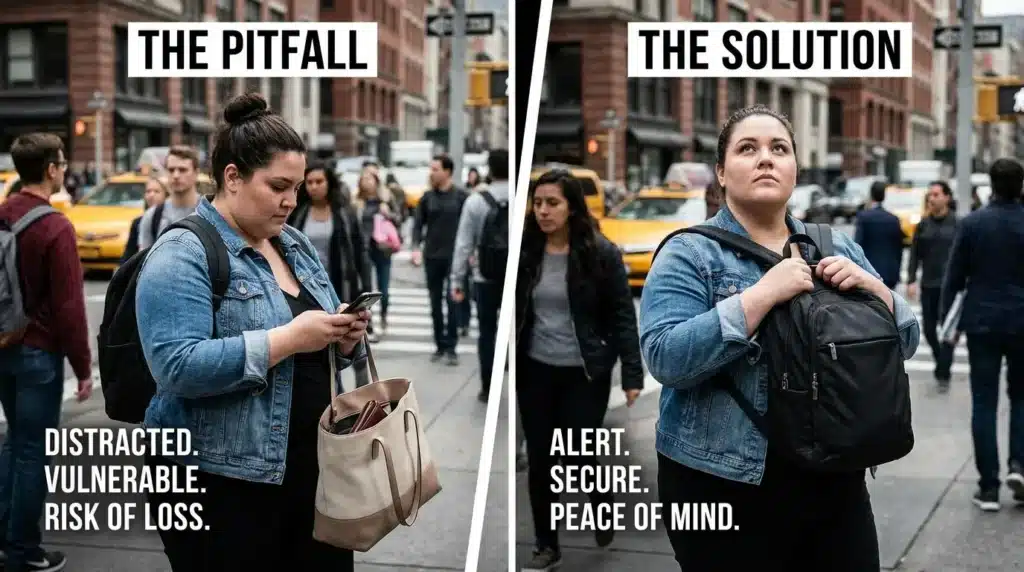
The Common Pitfalls: Mistakes That Could Ruin Your Adventure
Even with a plan, it is easy to make a mistake when you are tired or overwhelmed. Here are the most common errors travelers make and why they are dangerous:
- Publicly Displaying Your Wealth: Wearing a $5,000 watch or carrying a designer bag in a developing country is an invitation for trouble. It signals that you have more money than you can protect. Keep your luxury items at home and dress in a way that doesn’t draw unnecessary attention.
- Assuming Everyone Speaks Your Language: While English is common, assuming people understand you can lead to dangerous misunderstandings. Always learn basic emergency phrases in the local language, such as “Help,” “Police,” and “Where is the hospital?”
- Ignoring Local Laws and Customs: In some countries, seemingly minor actions can lead to heavy fines or even jail time. For example, some nations have very strict laws about where you can take photos or what you can say about the government. Always research local laws before you arrive.
- Neglecting Your Health and Hydration: Fatigue and dehydration cloud your judgment. You are much more likely to fall for a scam or lose your way when you are exhausted. Prioritize sleep and always carry safe drinking water to keep your mind sharp.
- Not Having an Offline Map: Data signals can disappear when you need them most. If you are in a strange city at 2 AM and your map won’t load, you are in a very vulnerable position. Download offline maps for every city you visit so you can always find your way back to safety.
International Security Protocol: FAQ
1. Should I carry a physical map or use my phone?
Always use your phone for convenience, but keep an offline version downloaded. However, looking at a map (paper or digital) in a busy street makes you look lost and vulnerable. It is better to step into a shop or cafe to check your route.
2. Is it safe to use hotel safes?
Most hotel safes are better than nothing, but they are not 100% secure. Hotel staff often have a master code for emergencies. For high-value items, it is often safer to keep them in a locked, hard-shell suitcase that is cable-locked to a piece of heavy furniture.
3. What is the most common crime against travelers?
Theft of opportunity is the most common. This includes pickpocketing and snatching bags or phones from tables. Most of these crimes can be prevented by simply keeping your belongings secured to your body and staying aware of your surroundings.
4. Should I trust the “Tourist Police”?
In many countries, the Tourist Police are specifically trained to help foreigners and are very reliable. However, always verify their identity. If a “police officer” asks to see your wallet on the street, offer to go to the nearest official police station with them to resolve the matter.
5. How do I protect my digital accounts if my phone is stolen?
Before you travel, set up a “Remote Wipe” feature on your device. This allows you to log into a computer and delete all your data from the stolen phone instantly. This prevents the thief from accessing your bank accounts or personal photos.
Step Into the World with Confidence and Purpose
You have now completed the ultimate master plan for global travel security. From the psychological preparation of a solo traveler to the technical details of digital nomad safety, you have the tools to handle the complexities of our modern world.
Remember, the goal of this protocol is not to make you afraid of the world. It is to give you the peace of mind you need to truly enjoy it. When you know you have a backup plan for your cash, your health, and your data, you can finally relax and take in the beauty of your surroundings.
Travel is one of the most enriching experiences a human can have. It opens your mind, challenges your beliefs, and creates memories that last a lifetime. Don’t let the fear of the unknown stop you from exploring. Instead, use this roadmap to turn that unknown into a series of manageable steps.
Your next adventure is calling. Whether you are heading to the mountains for a hike or a bustling city to work as a nomad, you are ready. You are no longer just a tourist; you are a prepared explorer. Go out there and see the world with your head held high, knowing that you have the [Securely Life] protocol by your side.
Following these steps has completely changed how I feel when I explore new places. I don’t spend my whole day worrying anymore, which means I can actually enjoy the amazing food and the beautiful views. Go ahead and start your planning today—you deserve to see the world with total confidence and zero fear!
Disclaimer: This guide is for informational purposes only. Travel safety depends on many factors, including personal behavior, local environment, and global events. Securely Life does not guarantee absolute safety by following these steps. Always consult with official government travel advisories (like the CDC or State Department) before your trip. Your safety is ultimately your own responsibility.