I remember my first solo hike when I thought a bottle of water and a fully charged phone were all I needed to be safe. Halfway up the mountain, my battery suddenly died, and the trail markers became almost impossible to find as the sun started to go down. That moment of pure panic in the dark woods changed my whole view on safety, and it is the reason I never leave home without a real plan anymore.
Walking into the deep woods feels like a beautiful dream until the sun starts to set. Suddenly, the silence of the forest feels heavy, and you realize you are not sure which way leads back to your car.
Nature is stunning, but it is also completely indifferent to your survival. When you leave your front door, you are trading a controlled environment for one filled with unpredictable weather and difficult ground.
Many beginners head out with nothing but a water bottle and a cell phone. This lack of preparation often leads to total panic when things go wrong on the trail.
Before you even start your adventure, it is wise to read a solo travel safety guide for beginners to build a strong base of awareness. Being prepared is the only way to enjoy the world without feeling constant fear.
- Many hikers rely too much on phone apps that fail when batteries die or signals disappear.
- The wrong clothing choices lead to cold-related illness even in mild temperatures.
- A lack of knowledge about local plants turns a fun trip into a medical emergency.
Wrong information is everywhere online, making it hard to find real, life-saving advice. You might read blogs that suggest “traveling light,” but leaving out gear is a recipe for disaster.
This confusion creates a deep sense of worry for many families and solo travelers. They want to explore nature but stay stuck at home because they do not feel secure.
It hurts your confidence when you feel unprepared for a simple trail. You worry about your physical safety and the home you left behind while you are away.
- Is my back door truly locked and secure?
- Did I turn off all the dangerous electrical cords?
- Is my family safe while we are miles away from the city?
True peace of mind comes from having a plan that covers both the trail and your house. Understanding 6 steps for a medical emergency abroad or in the wild is a great way to start.
Safety is not just a list of items; it is a mindset that protects you in every place you go. We are here to help you move from fear to confidence with proven safety rules.
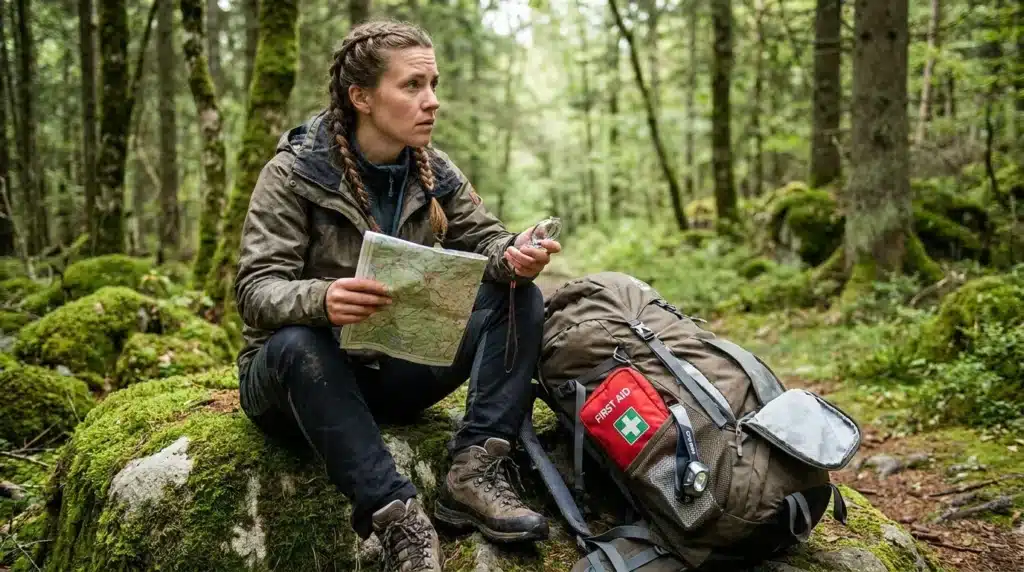
Building Your Defense: The 10 Essentials for Wilderness Survival
To stay safe in the wild, you must follow a structured plan for your gear and your actions. You cannot just wing it when you are miles away from the nearest road or help.
According to the National Park Service, being prepared means having the right tools for any emergency. This preparation begins long before you reach the trailhead.
1. Navigation Mastery and Map Awareness
The first step in staying safe is admitting that mistakes can happen to anyone. Always carry a physical map and a compass.
Electronic devices are helpful, but they are not 100% reliable in deep canyons or thick forests. Learn how to read map lines so you understand the elevation changes ahead of you.
One big mistake I made for years was trusting my phone’s GPS way more than a simple paper map. I learned the hard way that when you are deep in a canyon with no signal, a digital map is just a glowing brick that can’t help you. Now, I always keep a physical map in my bag because it never runs out of power or loses its connection when I need it most.
Navigation is your primary defense against getting lost in the wilderness. If you know where you are, you can always find a way back to safety and your family.
2. Protection from the Sun and Heat
Sun protection is about more than just avoiding a painful burn on your skin. It is about preventing heatstroke and keeping your energy levels high.
Pack sunscreen, sunglasses, and hats that cover your neck and face. Even on cloudy days, the sun at high altitudes is much stronger than in the city.
Lip balm with sun protection is another item that many people forget to pack. Cracked lips can be very painful and make it hard to drink enough water during the hike.
3. Insulation and Proper Clothing Layers
The wilderness can get very cold very fast, especially after the sun goes down. Your clothing is your first layer of shelter against the elements.
Avoid cotton at all costs because it stays wet and pulls heat away from your body. Stick to synthetic fabrics or wool that keep you warm even if they get damp.
Bring an extra jacket and a rain shell even if the sky looks clear when you start. It is better to have extra clothes and not need them than to be freezing on a trail.
4. Illumination for the Dark
Many hikers get stuck on the trail because they underestimated how long the hike would take. When the sun goes down, the forest becomes a very different place.
A headlamp is much better than a flashlight because it keeps your hands free for balance. Always carry extra batteries and check them before you leave your home.
Do not rely on your phone light as your only source of light. Phone lights are weak and drain your battery, which you need for emergency calls.
5. First Aid Supplies and Medical Readiness
A good first aid kit should be able to handle blisters, cuts, and insect bites. It should also have items for larger injuries like sprains or deep wounds.
Knowing how to use your kit is just as important as carrying it in your bag. Staying healthy also means being careful about what you drink.
It is smart to learn how to check water quality while traveling so you do not get sick from a stream. A clean stomach is essential for finishing any long adventure.
6. Fire Starters for Warmth and Signaling
If you have to spend a night in the woods, a fire can keep you alive. It provides warmth, scares away animals, and works as a great signal.
Carry waterproof matches and a lighter in a dry bag inside your backpack. You should also bring a small amount of dry tinder to help start a fire in wet weather.
Practice starting a fire in your backyard before you try to do it in a survival situation. This skill builds the confidence you need to stay calm during an emergency.
7. Repair Kit and Multi-Tools
Things break on the trail, from boot laces to backpack straps. A small repair kit can keep your gear working so you can finish your hike safely.
A multi-tool with a knife and pliers is one of the most helpful items you can carry. You should also wrap some duct tape around your water bottle for quick fixes.
8. Nutrition and Extra Food
Always carry at least one extra day’s worth of food in case of delays. High-calorie snacks like energy bars, nuts, and jerky are the best choices for hikers.
Having enough energy keeps your brain sharp so you can make logical choices. Before you head out, make sure you know how to avoid food poisoning while traveling to stay strong.
9. Hydration and Water Purification
Dehydration is a leading cause of exhaustion and poor decision-making on the trail. Carry more water than you think you will need for the day.
Always have a way to clean more water, like a small filter or purification tablets. Never trust that a clear mountain stream is safe to drink without treating it first.
10. Emergency Shelter
Even on a day hike, carry a lightweight space blanket or a small tarp. This tool protects you from wind and rain if you are forced to spend a night outdoors.
Weather in the mountains changes fast, and a sudden storm can be deadly without cover. This final piece completes your survival kit and gives you the confidence to explore.
“A true expert in safety knows that the best rescue is the one that never has to happen because of good planning and the right tools.”
These ten essentials are your primary defense against the dangers of the wild. They ensure that a small mistake does not turn into a life-threatening situation.
Just as you watch for indoor safety hazards for hikers families, you must watch for outdoor threats. The American Red Cross offers great resources on handling injuries.
By mastering these ten steps and staying aware of your environment, you are ready for the wild. You can explore with confidence, knowing you have the tools to stay safe and secure.
Now that you know the theory, watch this expert video from REI to see these 10 essentials in action! It is a perfect summary to help you visualize exactly what you need to carry in your pack to stay safe.
Advanced Wilderness Survival Secrets and Home Security Strategies
Understanding the basics of hiking is just the first step. To truly stay safe, you need to master advanced skills that protect you both on the trail and in your everyday life.
Mastering the Art of Plant Identification and Wildlife Awareness
Knowing how to spot danger before you touch it is a professional skill. Wild hemlock identification is one of the most useful things you can learn because this plant is often found near trails and water.
Wild hemlock looks very similar to common wild carrots or parsley. However, you can spot the difference by looking at the stem, which usually has purple spots or splotches and no hair.
Touching or eating this plant can lead to severe illness or even death. This risk is similar to having toxic indoor plants like lilies or ivy in your home where curious pets might find them.
Always keep a distance from wild animals, no matter how small or friendly they look. If you encounter a bear or a cougar, stand your ground, make yourself look large, and speak in a calm, loud voice.
Never run away from a predator because it triggers their instinct to hunt. Learning about local wildlife before you go is just as important as knowing how to safely hide cash and passports while traveling to avoid human threats.
Securing Your Home with Remote Monitoring Technology
Your personal safety is not just about what happens in the woods. Many hikers feel anxious about their empty houses while they are away on a long trip.
Using remote home monitoring is the best way to gain peace of mind. You can install smart locks and indoor cameras that connect directly to your smartphone via the internet.
This technology allows you to check if your front door is locked even when you are miles away on a mountain peak. If someone tries to enter your house, you will get an instant alert on your phone.
Before you leave, you should also check for indoor safety hazards like frayed electrical cords or appliances that are still plugged in. These small mistakes can cause fires while you are busy enjoying the wilderness.
Modern personal safety gadgets for solo hikers often work alongside home security apps. You can manage your entire safety ecosystem from a single device, ensuring a securely life for you and your family.
The Psychology of Safety and Long-Term Preparation
Professional hikers stay safe because they develop a “safety first” mindset. This means they are always looking for potential risks before they become real problems.
You should practice “active observation” while you walk. Pay attention to the weather, the time of day, and how your body feels.
If you are using a taxi or an app to reach the trailhead, check out ride-sharing safety apps vs local taxis. This ensures you get to the forest and back home without any trouble.
To keep these safety results for a long time, you must keep your gear in good shape. Check your first aid kit every month and replace any expired items or used bandages.
Practice your navigation skills in a local park where the risks are low. This builds your confidence so you can handle a real crisis in the deep wilderness.
“A prepared mind is the most powerful tool you can carry in your backpack. Gear can fail, but your knowledge stays with you forever.”
Long-term success also means staying healthy throughout your travels. Make sure you follow the 5 essential tips for a securely life to keep your overall well-being a top priority.
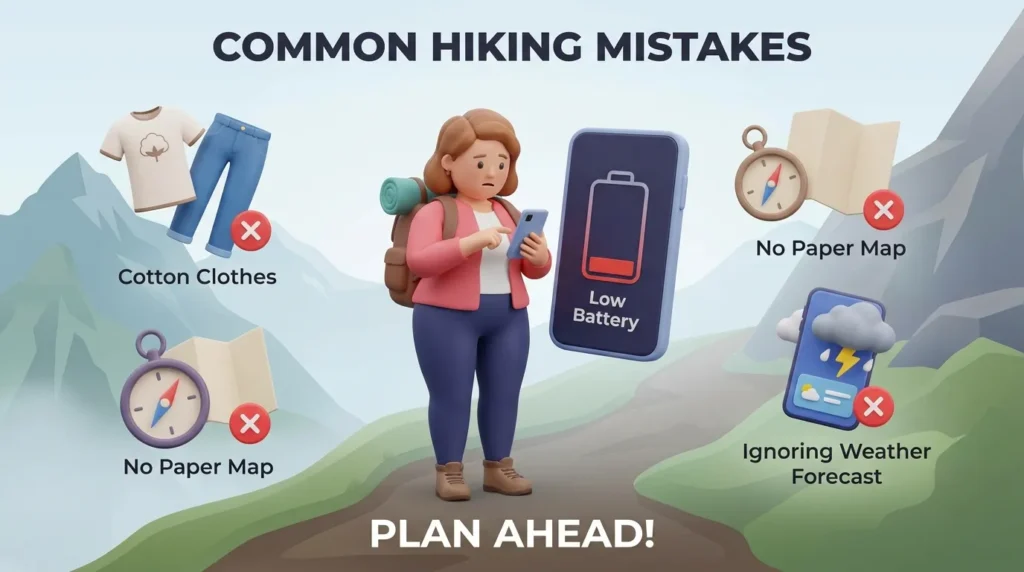
Fatal Errors: Common Mistakes That Put Hikers in Danger
Even experienced adventurers make simple mistakes that lead to dangerous situations. Understanding these pitfalls will help you avoid the most common risks in the wild.
- Relying Only on Mobile Phones for Navigation: Many people think their phone GPS will always work. However, batteries die quickly in cold weather and signals often disappear in deep canyons, leaving you lost without a backup.
- Ignoring the Early Warning Signs of Weather Changes: Hikers often wait too long to turn back when clouds gather. According to the U.S. Forest Service, sudden storms are a leading cause of mountain rescues and injuries.
- Failing to Secure the Home Before Departure: Leaving windows open or forgetting to set the alarm can lead to theft. This creates a stressful situation that ruins your trip and damages your financial security.
- Touching Unknown Plants or Eating Wild Berries: Curiosity can be deadly when it comes to nature. Without proper wild hemlock identification, you might touch a plant that causes severe skin burns or respiratory issues.
- Hiking Alone Without a Detailed Emergency Plan: Solo hiking is peaceful, but it is risky if nobody knows where you are. If you get hurt and cannot call for help, it might take days for rescuers to find your location.
If you ignore these mistakes, you could face severe physical harm or high financial costs for rescue services. Staying alert and following a plan is much easier than dealing with a life-threatening crisis.
Frequently Asked Questions About Wilderness Security
1. What are the 10 essentials every hiker should carry for wilderness survival?
The list includes navigation tools (map/compass), sun protection, extra clothing, illumination (headlamp), a first aid kit, fire starters, a repair multi-tool, extra food, extra water, and an emergency shelter. These items provide the foundation for surviving an unexpected night outdoors.
2. How can I identify dangerous plants like wild hemlock versus common indoor plants?
Wild hemlock is much larger than most indoor plants and has purple spots on its smooth, hairless stem. While indoor hazards like poisonous indoor plants are dangerous for pets, wild hemlock is a major threat to human life if even a small amount is touched or eaten.
3. What is the best way to monitor my home security remotely while on a hiking trip?
You should use a smart home security system that includes indoor cameras and smart locks. These systems allow you to monitor your house in real-time through an app, ensuring that everything is safe while you are on the trail.
4. What personal safety gadgets should a solo hiker carry?
A solo hiker should carry a satellite messenger, a loud emergency whistle, and a personal alarm. These personal safety gadgets for solo hikers work in areas where there is no cell phone signal, allowing you to signal for help.
5. Are smart locks and indoor cameras enough to keep my home safe while traveling?
While these tools are excellent, you should also use physical deadbolts and ask a neighbor to watch your property. If you are staying at a lodge or hostel before your hike, follow a hotel room security locking guide for extra protection.
Stepping Into the Wild with Total Confidence
Nature offers a sense of peace that you cannot find anywhere else. By following these essential hiking safety tips, you are taking control of your adventure and your security.
You now have the knowledge to identify hidden dangers like wild hemlock and the tools to protect your home while you are away. Preparation is the only difference between a scary situation and a wonderful memory.
Every trip you take is a chance to learn more and become more self-reliant. Do not let fear keep you indoors; instead, let your preparation give you the freedom to explore.
Start by checking your gear today and testing your home security cameras. When you know your home is safe and your backpack is ready, you can truly enjoy the fresh air and the mountain views.
Go ahead and plan your next trip with a clear mind and a brave heart. The wilderness is waiting for you, and now you have the skills to come home safe every single time.
Starting my preparation early has made me feel so much more relaxed and happy whenever I hit the trail. You don’t have to be an expert to start; just grab one or two of these items today and build your survival kit over time. Go ahead and book that next trip—you are going to have an amazing time knowing you are fully ready for the journey!
Disclaimer: The information provided on Securely Life is for educational purposes only. Hiking and wilderness activities involve inherent risks, including the risk of injury or death. Always consult with local park rangers and medical professionals before starting any outdoor activity. We do not provide legal or medical advice. Use the information in this article at your own risk. Securely Life is not responsible for any accidents, injuries, or property damage that may occur during your travels. Always follow local laws and safety signs on the trail.