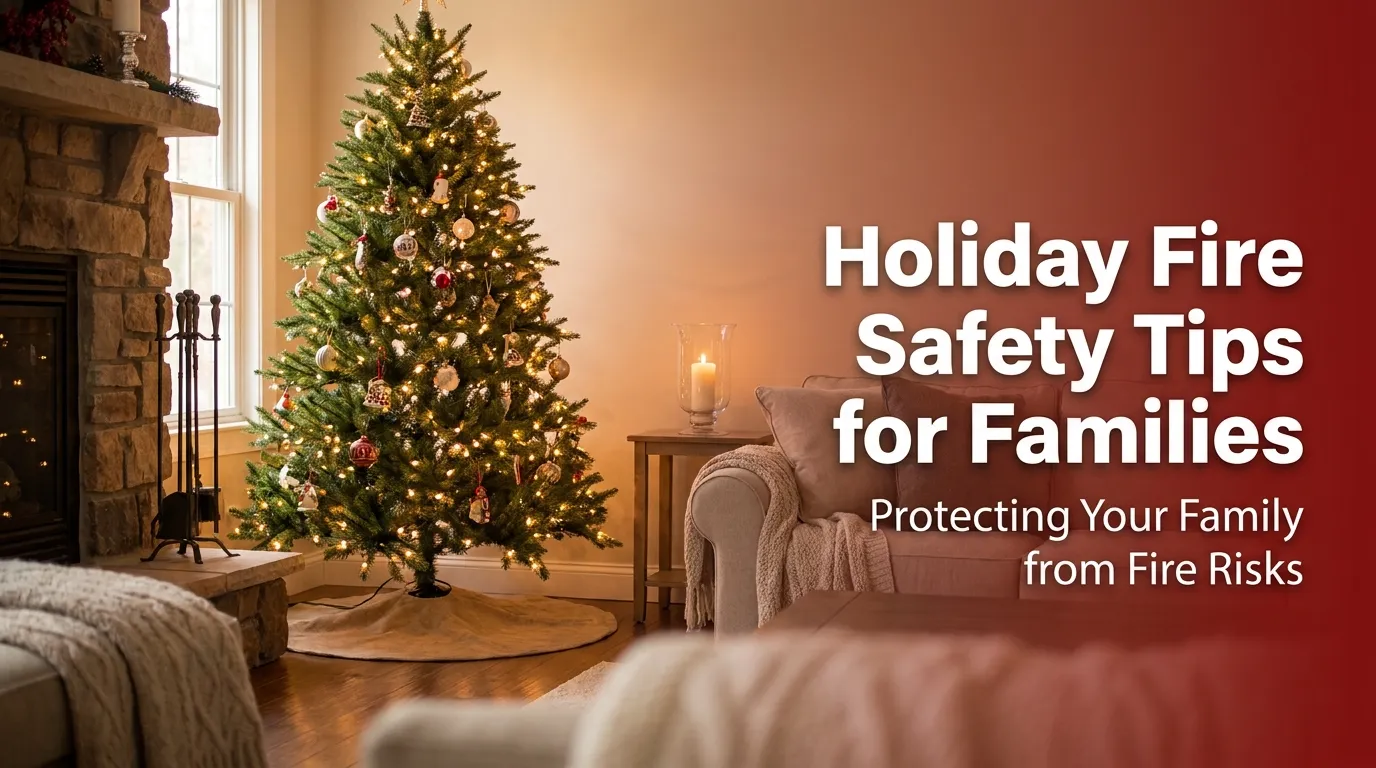
Picture this with me for a second. It’s the night before a big family gathering, and my living room looks like a holiday catalog threw up on it. Lights everywhere. Candles on every flat surface. A tree that’s been up for almost three weeks and hasn’t seen a drop of water since the first week.
I didn’t think twice about any of it until my brother-in-law leaned over, touched a branch, and it snapped off dry as a cracker. That single dry branch is what finally made me stop and actually look at my own living room the way a firefighter might.
I wasn’t trying to be careless. I was just busy, distracted, and doing what everyone does during the holidays: piling on more decorations without thinking about what sits underneath them.
That night changed how I decorate every single year since.
Why the Holidays Quietly Turn Into the Riskiest Season
Nobody sets out to cause a fire. That’s exactly why this topic matters so much.
The holidays stack up small risks on top of each other until they become one big one:
- More candles burning at once than any other time of year.
- Extra guests, extra cooking, and extra distraction in the kitchen.
- A tree that gets drier every single day it sits in your living room.
- Extension cords stretched across rooms to power lights, inflatables, and decorations.
- Kids and pets moving through spaces filled with new, tempting, breakable things.
None of this happens because people are careless. It happens because the season is busy, emotional, and full of moving parts. You’re not managing one risk during the holidays, you’re managing five or six small ones at the same time, and that’s exactly why a little planning goes a long way.
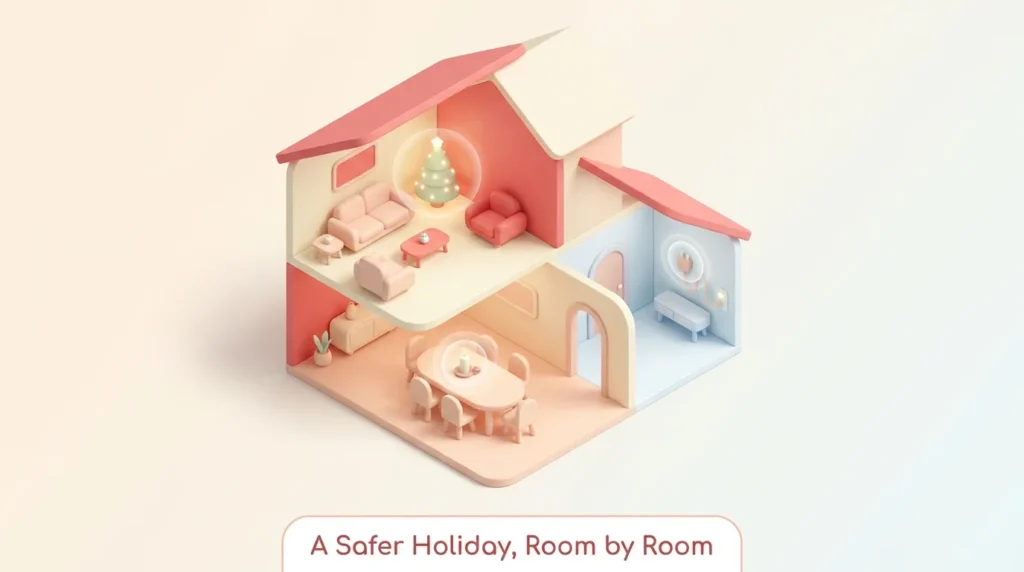
Building a Safer Holiday, Room by Room
Fire safety during the holidays isn’t about giving up candles or unplugging your tree. It’s about knowing exactly where the risk sits, and closing that gap before it becomes a problem.
Here’s a simple room-by-room way to think about it:
| Area | Main Risk | Quick Fix |
|---|---|---|
| Living room | Dry tree near outlets or heat | Water daily, keep 3+ feet from heat sources |
| Dining table | Unattended candles | Sturdy holders, never leave the room lit |
| Kitchen | Cooking distractions during gatherings | Stay in the room while anything is on the stove |
| Hallways/stairs | Extension cords across walkways | Route cords along walls, never under rugs |
| Bedrooms | Candles left burning overnight | No open flame candles in sleeping areas |
Give Your Tree the Attention It Actually Needs
A fresh tree is a manageable fire risk. A dry one is fuel sitting in your living room.
Check the water level every single day, not just when you remember. According to the National Fire Protection Association, a dry, untended tree can ignite and spread flame through an entire room in under a minute once it catches.
Pro tip from my own mistake: I used to top off the tree stand once a week and assume that was enough. What I didn’t realize is a tree can drink several cups of water a day in its first week alone, and mine had been sitting bone dry for days without me noticing. Now I check it every morning while the coffee brews, and it takes about ten seconds.
Keep the tree at least three feet away from any heat source: fireplaces, space heaters, radiators, or heat vents. That distance matters more than it sounds like it should.
Here’s a quick two-minute walkthrough on setting up your tree the safer way:
Rethink How You Use Candles This Season
Candles feel cozy, but they’re also one of the biggest contributors to holiday house fires every single year. The U.S. Fire Administration recommends keeping any open flame at least twelve inches away from anything that can burn, including wrapping paper, table runners, and dried decorations.
A few simple habits make a real difference:
- Use sturdy holders that can’t tip over easily.
- Never leave a lit candle in a room you’re about to leave.
- Keep candles completely out of reach in homes with young kids or curious pets.
- Consider battery-powered flameless candles for spaces where supervision is hard, like a mantel or a hallway.
If you’re weighing your options for keeping small hands and paws away from things they shouldn’t touch this season, our guide on pet safety at home covers a few habits that carry over nicely into holiday decorating too.
Give Your Electrical Setup a Real Check, Not a Glance
Holiday lights get pulled out of storage once a year, plugged in, and rarely inspected closely. That’s exactly the problem.
Before you hang a single string, look for frayed wires, cracked sockets, or bulbs that flicker for no reason. The Consumer Product Safety Commission has flagged damaged holiday lighting as a recurring cause of residential fires every winter.
Avoid connecting more than three light strands end to end unless the packaging says it’s safe. Run cords along walls instead of under rugs or across walkways, where foot traffic can quietly wear down the insulation over time.
Talk to Your Kids Before the Chaos Starts
Holiday gatherings are loud, busy, and full of distractions, which makes it a hard time to keep constant eyes on every kid in the house. A short conversation beforehand goes further than most parents expect.
Explain calmly what candles and warm lights are for, and why they’re not something to touch or play near. If you want a simple way to have these kinds of conversations without making kids anxious, our guide on how to talk to kids about emergencies without fear walks through age-appropriate language that works well for topics like this one too.
Myth vs Reality: What Most Families Get Wrong
Myth: “A tree fire spreads slowly, so there’s time to react.” Reality: A dry Christmas tree can go from a small flame to filling an entire room with fire in under a minute. There usually isn’t time to grab a fire extinguisher once it starts.
Myth: “As long as the lights are LED, they can’t cause a fire.” Reality: LED lights run cooler than older bulbs, but damaged cords, loose connections, and overloaded outlets can still spark a fire regardless of bulb type.
Test Your Smoke Alarms Before the House Fills Up
This step gets skipped more than any other on this list. Before guests arrive, gatherings start, and the kitchen gets busy, take two minutes to press the test button on every smoke alarm in your home.
Replace batteries if the sound is weak or delayed. If you don’t already have a working alarm in your kitchen and near sleeping areas, this is the week to fix that gap.
Pairing this with a clear plan matters just as much as the alarms themselves. Our fire escape drills for kids guide walks through how to build a plan the whole family actually remembers, especially useful when extra guests and kids are staying over during the holidays.
Keep an Eye on Holiday Plants Too
Poinsettias, mistletoe, and holly are holiday staples, but a few of them carry a hidden risk beyond fire that’s worth mentioning here. Curious kids and pets sometimes chew on leaves or berries without anyone noticing until it’s too late.
If you’re setting up decorations at kid or pet height this year, our household poison hazards guide is worth a quick read alongside your fire safety checklist, since both problems come down to the same root cause: things placed within easy reach.
Build This Into Your Bigger Family Safety Routine
None of these habits work as a one-time task you do once and forget about every December. They work best as part of a routine you repeat every single season, the same way you’d check your car before a long road trip.
If you haven’t already put together a full home safety routine, our family safety blueprint pairs naturally with everything covered here, and our child-proofing checklist is worth revisiting once decorations go up, since holiday setups change what’s within a child’s reach room by room.
If you’re hosting guests or extended family this season, our guide on managing visitors and home alone safety rounds out the picture nicely, especially for homes with kids who aren’t used to a full house.
Where This Leaves You
None of this asks you to give up candles, skip the tree, or tone down your decorations. It just asks you to pay attention to the small gaps that build up quietly during a busy season.
Pick one thing from this list today. Water your tree, test your smoke alarm, or move that candle away from the curtain it’s sitting a little too close to.
That one small change is usually the difference between a close call and a real problem.
The Habits That Keep a Safe Holiday Safe All Season Long
Getting through one safe night isn’t the goal here. The real challenge is staying consistent through weeks of parties, cooking, and decorations sitting out longer than planned.
Think of it less like a one-time checklist and more like a routine you run on autopilot, the same way you’d lock your front door without thinking twice.
Set a Recurring “Walkthrough” Time
Pick a consistent time each evening, maybe right before you head to bed, to walk through the house with fresh eyes. Check candles, confirm the tree lights are off, and glance at any cords that got kicked around during the day.
This takes less than three minutes once it becomes a habit. A short nightly walkthrough catches the exact kind of small slip-up that turns into a real fire, like a candle someone forgot to blow out after dinner.
Assign the Job to More Than One Person
If you’re hosting a full house this season, don’t assume everyone follows your safety habits the way you do. I used to think everyone in my family just “knew” the rules, until a relative left a candle burning in a guest room overnight without thinking twice about it.
Have a quick, casual conversation with anyone staying over. A simple heads-up, like asking guests to blow out any candles before bed, prevents most of these situations before they start.
Rotate Your Decorations With a Little Thought
Not every decoration needs to sit in the same risky spot the entire season. If a string of lights or a candle display sits near a doorway or a busy walking path, consider moving it somewhere with less foot traffic.
Q: What if I don’t have anywhere safer to put it? A: In that case, switch to a flameless version for that specific spot instead of skipping the decoration altogether.
Build In a Mid-Season Check
Somewhere around the middle of the season, take fifteen minutes to reassess everything. Trees dry out more the longer they sit, batteries in flameless candles run low, and cords get stepped on more than anyone realizes.
This mid-season check is where most families catch problems before they become dangerous. It’s also a good moment to glance over your family safety blueprint and confirm nothing else around the house has quietly become a bigger risk since the decorations went up.

The Slip-Ups That Turn a Cozy Night Into a Dangerous One
Some of the worst holiday fires don’t come from one big mistake. They come from a string of small ones nobody noticed happening.
One of the most common is what firefighters sometimes call “candle drift,” where a candle gets moved closer and closer to a curtain or a stack of gift wrap over several days without anyone realizing it. Nobody moved it on purpose. It just ended up there through normal daily shuffling around the room.
Another mistake is treating extension cords like they’re invisible. People run them under rugs to hide the mess, not realizing that trapped heat and foot traffic wear down the insulation underneath. The American Red Cross has pointed to damaged cords and overloaded outlets as a recurring cause of preventable holiday fires every year.
Families also tend to underestimate how distracting a full house really is. With guests, kids, and cooking all happening at once, it’s easy to forget a candle is still lit three rooms away.
There’s a quieter mistake too: assuming last year’s decorations are automatically safe this year. Lights that worked fine twelve months ago can develop worn spots in storage, and nobody checks until something goes wrong.
A few things worth remembering:
- Small changes, like where a candle sits, matter more than people expect.
- A cord that “worked fine last year” still needs a fresh look before it goes back up.
- A busy house needs more attention to open flames, not less.
- Old decorations deserve a quick inspection before their next use, not blind trust.
None of these mistakes require blame or guilt. They just need a little more attention than most of us give them during a busy, joyful season.
Common Questions About Holiday Fire Safety
What is the biggest fire risk during the holiday season?
Candles and dry Christmas trees top the list, especially when they’re placed too close to something flammable. Combine that with more cooking and extra guests, and small risks add up fast during this time of year.
How far should candles be kept from anything that can burn?
A good rule of thumb is at least twelve inches away from curtains, wrapping paper, or decorations. It also helps to place candles somewhere they can’t be knocked over easily.
How often should you water a real Christmas tree to prevent fire?
Check the water level every single day, since a tree can drink several cups of water daily in its first week. A dry tree catches and spreads flame far faster than a fresh, well-watered one.
Should holiday lights be turned off before going to bed?
Yes, turning off tree and string lights overnight is one of the simplest habits that lowers your risk. It also helps to use a timer if you tend to forget.
What should you check at home before holiday guests arrive?
Test your smoke alarms, clear a path to your exits, and do a quick walk-through for any cords or candles sitting somewhere risky. It only takes a few minutes and makes a real difference once the house fills up.
Your Holiday Safety Checklist Before the Season Gets Busy
You don’t need to be perfect to have a safe holiday season. You just need a few solid habits that you actually stick with, even on the busiest nights.
Here’s the short version to keep handy:
- Water your tree daily and keep it away from heat sources.
- Never leave a lit candle unattended, even for a few minutes.
- Inspect lights and cords before you hang them, not after something goes wrong.
- Test your smoke alarms before guests arrive.
- Have a quick, calm conversation with kids and guests about what not to touch.
My honest takeaway from that dry branch snapping off in my own living room: it only takes one small moment to see what you’ve been missing. Start with one habit from this list tonight, and let the rest come together naturally over the season.
Disclaimer: This article is for general educational and informational purposes only and does not replace guidance from your local fire department or a certified fire safety professional. Always follow the manufacturer’s instructions for any holiday lighting or decorations, and consult a professional if you have specific concerns about your home’s fire safety.