We all love our pets like family members. When you bring a dog or cat into your life, you promise to keep them healthy and happy. You spend hours choosing the right food and the softest bed for them, but ensuring pet safety at home is the greatest gift you can provide.
However, many of us live with a constant, quiet fear. We worry about what happens when we go to work or leave the room for a few minutes. You might wonder if your cat is chewing on a wire or if your dog found something in the trash. Protecting your furry friends from hazards is the most important responsibility you have as a pet owner.
This concern is real because our homes are designed for humans, not for curious animals. Before you begin, following a child-proofing your home safety checklist is a great way to start identifying risks. A simple thing like a dropped grape or a loose cord can lead to a trip to the emergency vet. These accidents happen fast and can break your heart.
Why Finding the Right Safety Information Is So Hard
Many pet owners try their best to search for safety tips online. But the internet is full of confusing and conflicting advice. This often leads to more problems for you and your pets.
- Generic advice fails: Most websites give short lists that miss the hidden dangers hiding in your laundry room or under your sink.
- Outdated lists: Some blogs suggest “pet-safe” things that modern science has now proven to be dangerous for certain breeds.
- Information overload: You might feel overwhelmed by the thousands of tasks you need to do, leading you to do nothing at all.
- Focusing on the wrong things: People often worry about big dangers but ignore small things like dental floss or penny coins which are very deadly.
How Household Hazards Steal Your Peace of Mind
Living in a home that isn’t pet-proofed is like living with a ticking clock. It creates a lot of stress and anxiety that you might not even notice until something goes wrong.
- Constant Monitoring: You feel like you can never truly relax because you are always watching your pet’s every move.
- Guilt and Fear: If your pet gets sick from something they ate at home, the guilt can stay with you for years.
- Financial Stress: Emergency vet visits for poisoning or surgery are incredibly expensive and can ruin your savings.
- Loss of Trust: An accident at home can make your pet fearful of their own environment, which hurts the bond you share.
I am here to tell you that it does not have to be this way. You can turn your home into a total sanctuary for your furry friends. Let’s look at how you can take control and protect your pets properly by following 5 essential tips for a securely life.
Your First Steps to a Safe and Happy Pet Sanctuary
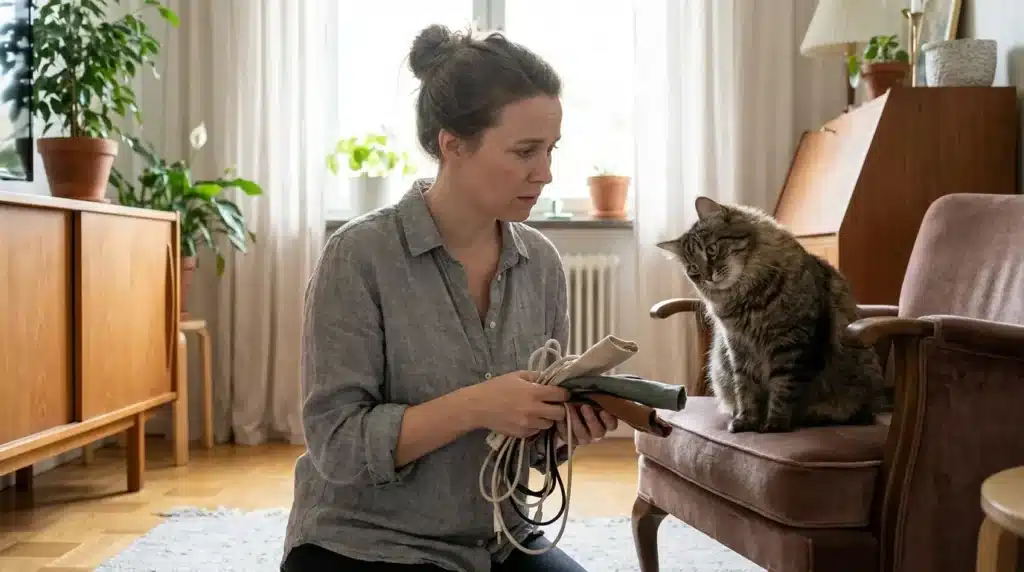
Protecting your pet starts with seeing the world from their height. If you get down on your hands and knees, you will see a whole new world of dangers. From low-hanging cords to small objects under the sofa, the floor is where your pet lives.
To help you start, I have broken down the most important safety steps. These are based on real safety protocols used by experts. If you follow these, you will significantly lower the risk of accidents in your home.
Step 1: Clearing the Air and Soil – Safe Plants and Food
The first thing you must do is look at what your pet might try to eat. Pets use their mouths to explore the world. This is why human foods toxic to pets and dangerous plants are the biggest threats in most homes.
Check Your Kitchen Countertop: Many foods that are healthy for us can cause organ failure in dogs and cats. Grapes and raisins can cause sudden kidney failure. Onions, garlic, and chives can damage their red blood cells.
Even “sugar-free” gum is a major killer. It often contains Xylitol, which causes a massive drop in blood sugar and liver failure. You should keep all human food in high cabinets or sealed containers that a pet cannot knock over.
Evaluate Your Indoor Garden: Plants bring life to a home, but many are silent killers. Lilies are extremely toxic to cats; even a small amount of pollen can be fatal. Sago palms are also very dangerous for dogs.
Instead, you should look for pet-safe indoor plants for dogs and cats. Plants like Spider Plants, Boston Ferns, and African Violets are great choices. They look beautiful and won’t hurt your furry friend if they take a nibble. Always double-check any new plant with a trusted vet database before bringing it inside.
Step 2: Eliminating the “Chew Factor” – Wires and Small Objects
The second step is all about physical hazards. Pets, especially puppies and kittens, love to chew on things that feel interesting. This is where protecting pets from electrical cords becomes a top priority for every owner.
Secure Every Single Cord: A single bite into a live wire can cause severe mouth burns, fluid in the lungs, or even a deadly electric shock. You should use heavy-duty cord protectors or “split loom” tubing to cover wires.
These covers are made of hard plastic that pets cannot easily bite through. For a cleaner look, use cable management boxes to hide power strips. If you have cords hanging from lamps, try to tuck them behind heavy furniture where your pet cannot reach them.
The Danger of Small Objects: Think about the things you leave on your coffee table or nightstand. Hair ties, rubber bands, coins, and paper clips are very tempting for pets. If swallowed, these can cause intestinal blockages that require surgery.
Make it a habit to have a “clutter-free” zone. Use drawers instead of open trays. Even something as simple as a dropped pill can be a life-threatening emergency. Always keep your medications in a closed cabinet, never on the counter. If you need help, consult our medication safety home guide.
Step 3: Locking Down the Chemistry Lab – Kitchen and Bathroom Safety
Your kitchen and bathroom are the most dangerous rooms in the house. This is because they hold the strongest chemicals. Pet-proofing kitchen cabinets and chemicals is not just an option; it is a necessity for a safe home.
Install Child-Proof Latches: Many pets, especially clever cats and some dogs, can learn how to open cabinet doors. They are looking for food but often find bottles of bleach, floor cleaners, or laundry pods.
You should install magnetic or spring-loaded child locks on all lower cabinets. This keeps your pet away from dangerous cleaning supplies. Even if a bottle is closed, a pet can chew through the plastic and ingest the poison inside.
Watch Out for “Hidden” Poisons: The bathroom has its own set of risks. Toilet bowl cleaners that sit in the tank can be toxic if your pet drinks from the toilet. Always keep the toilet lid down to prevent drowning or poisoning.
Also, be careful with your trash cans. Bathroom trash often contains used razors, dental floss, and wipes. These can cause choking or severe internal damage. Use trash cans with locking lids or keep the bins inside a locked cupboard.
Creating a Safety Routine That Works
Safety is not a one-time task. It is a way of living with your pets. By taking these first three steps, you are already ahead of most pet owners. You are creating a space where your pet can be themselves without getting hurt.
Remember to stay calm and take it one room at a time. In the next parts of this guide, we will look at how technology can help you watch over your pets. We will also talk about more advanced ways to secure your home.
When you protect your pet, you are also protecting your own peace of mind. A safe home is a happy home for everyone who lives there. Your pet depends on you to make these choices for them.
Using Smart Technology to Watch Over Your Pets
Once you have fixed the physical hazards like wires and chemicals, it is time to look at the future of pet safety. We live in a world where technology can help us stay connected to our pets even when we are not in the room.
Modern tools can act as your eyes and ears. These devices provide a safety net that simple baby gates cannot offer. Let’s look at how you can use smart home devices for pet safety to gain total peace of mind.
The Role of Advanced Pet Monitoring Systems
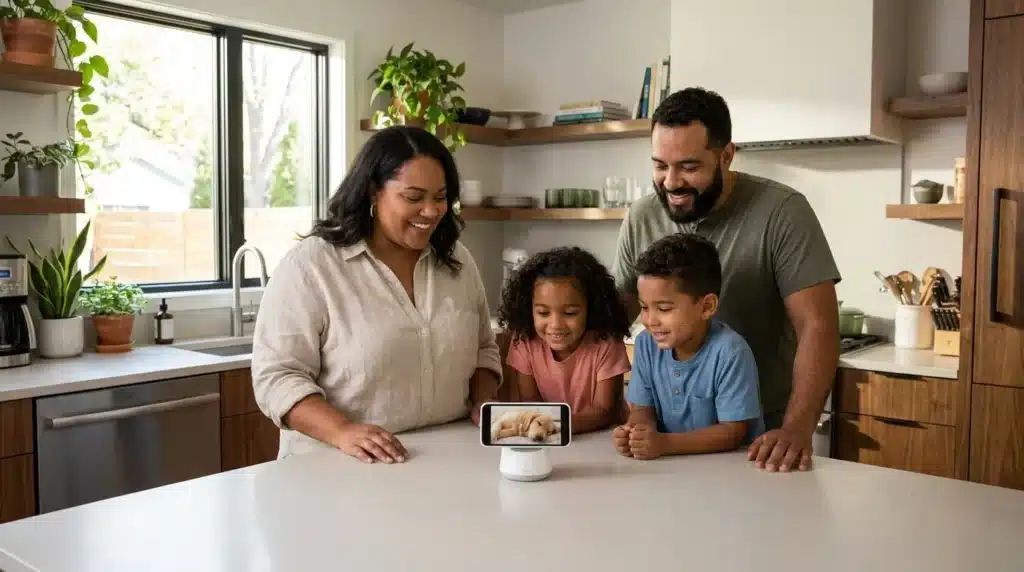
Many people think a standard security camera is enough. However, the best pet monitoring cameras for home security offer much more than just a video feed.
Look for cameras that have two-way audio features. This allows you to speak to your dog or cat if you see them doing something dangerous, like jumping on a stove. Sometimes, just hearing your voice is enough to stop a curious pet from getting into trouble.
Some cameras even include motion and sound alerts specifically designed for pets. You will get a notification on your phone if your dog is barking excessively or if your cat is exploring a “no-go” zone. This real-time information allows you to act before an accident happens.
Protecting Your Pets from Fire and Gas Leaks
Pets are often the most at risk during a home fire or a carbon monoxide leak because they cannot open doors to escape. Traditional alarms are loud, but they don’t call for help.
Smart smoke and CO detectors are a game-changer for pet owners. These devices send an emergency alert directly to your smartphone.
If an alarm goes off while you are at the grocery store, you will know instantly. You can then call your neighbors or the fire department to rescue your pets. This simple piece of tech can be the difference between a tragedy and a lucky escape.
Managing Temperature and Water Hazards
Extreme heat or cold can be very dangerous for indoor pets, especially older ones or those with short snouts. Smart thermostats allow you to monitor and control your home’s temperature from anywhere.
If your air conditioner fails on a hot summer day, you can see the temperature rising on your app. This gives you time to get home or ask someone to check on your pets.
Also, consider adding smart water sensors near your pet’s large water bowls or under sinks. These sensors can alert you to leaks. While a leak might seem minor, a flooded floor can lead to slips or electrical issues if it reaches a low-hanging power strip.
Keeping the Safety Standards High Over Time
Pet-proofing is not something you do once and then forget about. As your pet grows, their abilities and interests will change. A kitten that couldn’t reach the counter today might be able to jump there next month.
I recommend doing a monthly safety sweep of your entire home. Check that all child-proof locks are still clicking into place. Look for new chew marks on wires that might indicate a hidden problem.
Keep a “safety log” on your fridge or phone. Note down any new plants you bought or any changes in the furniture layout. This habit ensures that your home stays a safe sanctuary for years to come.
Avoid These Common Mistakes to Keep Your Pets Protected
Even the most loving pet parents can make mistakes when they are trying to secure their homes. These errors often happen because we think like humans and not like animals. If you want to keep your furry friends truly safe, you must avoid these five common pitfalls.
- Leaving the “Bathroom Buffet” Open: Many people forget that the bathroom trash is a goldmine of danger. Used dental floss can cause life-threatening intestinal tangles in cats. Disposable razors and feminine products are also very dangerous.
- The “One Bite” Trap: You might think sharing a small piece of your dinner is a way to show love. However, many human meals contain hidden onion powder or high salt levels. Even a small amount can cause long-term kidney or liver stress.
- Trusting “Natural” Labels Too Much: Just because a cleaning product says “natural” does not mean it is safe for pets. Some essential oils, like tea tree or peppermint, can be toxic to cats and dogs. Always look for pet-safe certified labels.
- Ignoring the Garage Door Gap: If your garage is attached to your house, it is part of your pet’s world. Antifreeze leaks are sweet-tasting and highly lethal to animals. A tiny puddle on the garage floor can kill a dog within hours. Also, ensure your storage areas are clean and organized.
- Forgeting Vertical Hazards: We often focus on the floor, but cats and some dogs love to climb. Heavy TVs or bookshelves that are not bolted to the wall can tip over. This is a leading cause of crush injuries in the home.
Frequently Asked Questions About Indoor Pet Safety
What are the most dangerous common household hazards for pets?
The most common dangers include human medications, toxic plants like lilies, and small craft items like needles or yarn. Many pets also get hurt by eating chocolate or sugar-free products containing Xylitol.
How can I safely hide electrical cords from a chewing puppy?
The best way is to use pet-proof cord protectors made of hard, bitter-tasting plastic. You can also run cords through PVC pipes or use cord boxes to hide the plugs.
Which indoor plants are 100% safe for both dogs and cats?
If you want to keep your home green and safe, choose plants like the Spider Plant, Areca Palm, or Calathea. Always avoid Lilies, Sago Palms, and Pothos.
Are smart home cameras really necessary for pet safety?
While not “required,” they add a huge layer of protection. They allow you to intervene in real-time if your pet is doing something risky.
How do I stop my pet from opening kitchen cabinets?
The most effective method is using magnetic child-safety locks. These are invisible from the outside and require a special magnetic key to open.
Your Journey to a Safer Home Starts Today
Building a safe environment for your pets is one of the best gifts you can give them. It shows that you value their life and want them to be around for a long time. You don’t have to change everything in one day.
Start by fixing the biggest risks first. Secure your chemicals, move your toxic plants, and cover those dangling wires. Once the big things are done, you can move on to smart tech and better monitoring. If you have guests, practice modern stranger danger tips to keep them calm. If you have children, remember to include your pets in fire escape drills for kids, follow child pool safety prevent drowning measures, and always know how to vet a babysitter. For overall household safety, our 9-step home alone safety readiness guide is also essential reading.
Every small change you make reduces the chance of an accident. You will sleep better knowing that your dog or cat is sleeping safely in a home that was designed with them in mind. Take a look around your living room right now. Pick one thing you can improve and do it immediately.
Stay alert, stay informed, and keep making your home the best place for your pets to live. You have the tools and the knowledge now to be a world-class pet parent.
Safety Disclaimer: This guide is for informational purposes only and does not replace professional veterinary advice. Every pet is unique, and some may have specific allergies or behavioral needs. Always consult with your veterinarian before introducing new plants or tech into your pet’s environment. If you suspect your pet has ingested a toxic substance, contact an emergency vet or a pet poison control center immediately. The author is not responsible for any accidents or injuries that may occur in your home.