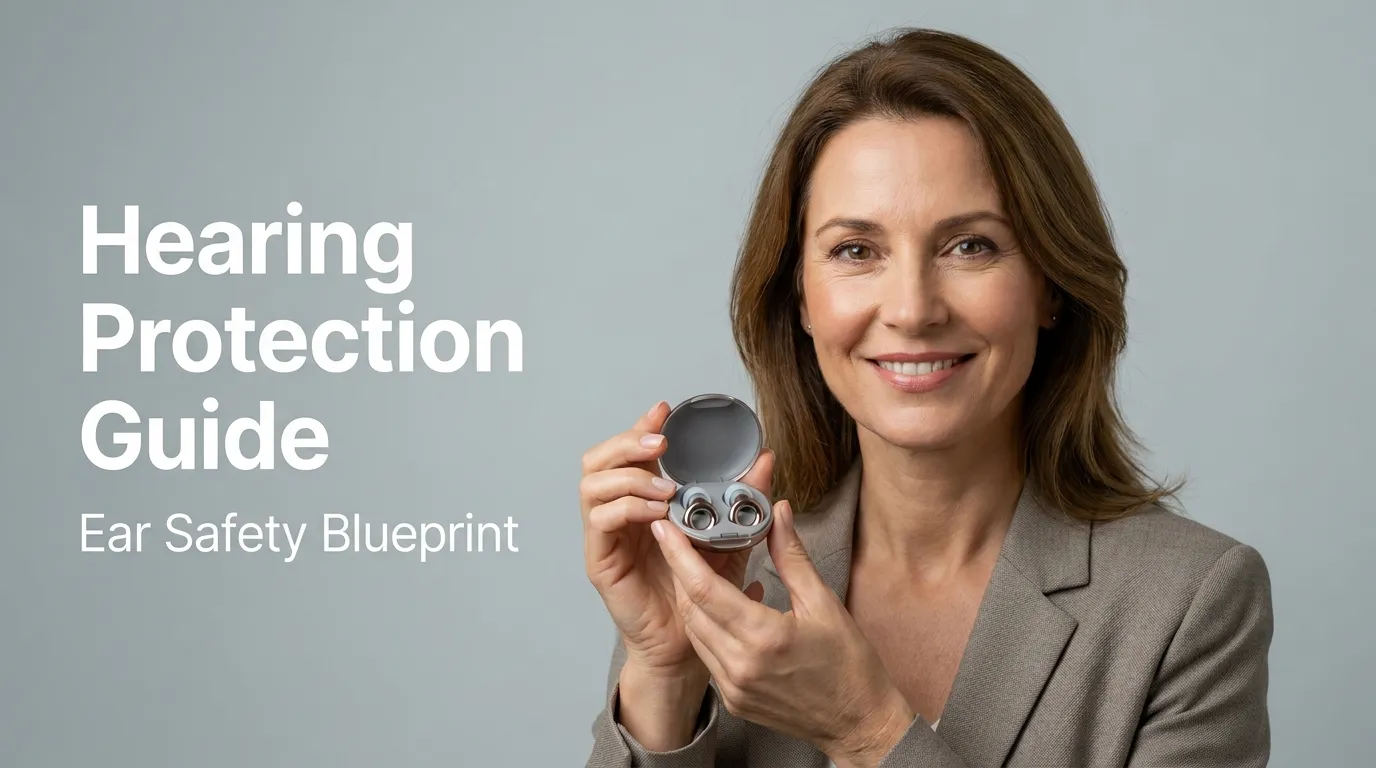
A few years ago, I went to a rock concert and stood way too close to the giant speakers. The next morning, my ears were buzzing so loud I could barely hear my alarm clock. That ringing lasted for three days, and honestly, it scared me into finally taking my ear health seriously. I learned the hard way that once that quiet is gone, you can’t just press a button to get it back.
You probably don’t think about your ears until something goes wrong.
Maybe it’s a ringing sound after a concert that won’t go away. Maybe it’s asking your family to repeat themselves at dinner, again.
Hearing damage doesn’t announce itself. It builds up quietly, one loud moment at a time, until one day you notice the gap between what you used to hear and what you hear now.
This is not a small problem. According to the CDC, noise-induced hearing loss comes from everyday activities and repeated exposure to loud sounds, not just rare accidents.
This isn’t only a workplace issue anymore. Everyday habits, from concerts to commutes, are quietly adding up for millions of people.
Part of protecting yourself in any environment comes down to staying aware of your surroundings. Noise is a hazard the same way a dark parking lot or a distracted driver is a hazard.
Sunburn is a good comparison here. You don’t feel the damage while it’s happening, only afterward, once it’s too late to undo. Noise works almost the same way.
Why So Many People Get This Wrong
Most people don’t ignore their hearing on purpose. They just don’t have the right information.
- They think hearing loss only happens to musicians or factory workers
- They assume it takes years, not minutes, of exposure to cause damage
- They believe “a little ringing” after a loud event is harmless
- They wait for pain as a warning sign, but noise damage rarely hurts
None of these beliefs hold up. A single loud event, like a fireworks show or a power tool at close range, can cause permanent damage in seconds.
There’s no pain signal to warn you. By the time you notice a real change, the damage is often already done.
Take a typical Saturday. A quick trip to a shooting range, a loud football game, and a late-night concert can each cross the danger line without you realizing it.
None of those days feel like an emergency. But your ears remember every one of them.
The Quiet Cost on Your Daily Life
Hearing loss doesn’t stay in one part of your life. It spreads.
- Conversations become exhausting instead of easy
- Group settings, restaurants, and family gatherings feel isolating
- Constant ringing (tinnitus) can affect sleep and focus
- Confidence drops when you keep asking people to repeat themselves
Hearing loss from noise is permanent, but it is also one of the most preventable health problems most people will ever face.
That last part matters. This isn’t like aging or genetics, where you have limited control.
Your daily choices decide most of what happens to your hearing over the next 20 years. Building strong daily safety habits around noise exposure is one of the simplest, most overlooked things you can do.
Picture a family dinner ten years from now. If you can’t follow the conversation without asking people to repeat themselves, that moment gets harder to enjoy.
Protecting your hearing now protects moments like that later. Small, consistent habits guard something you can’t buy back once it’s gone.
The good news is that protecting your hearing doesn’t require expensive equipment or major lifestyle changes. Understanding how to prevent hearing loss naturally starts with awareness — knowing when to walk away from a sound source and how to give your ears the “quiet time” they need to recover. It comes down to a few practical habits, done consistently.
Practical Ways to Shield Your Ears From Everyday Noise
Most hearing damage comes from a small handful of situations. Once you recognize them, protecting yourself gets a lot easier.
Use Earplugs or Earmuffs
This is the single most effective habit you can build.
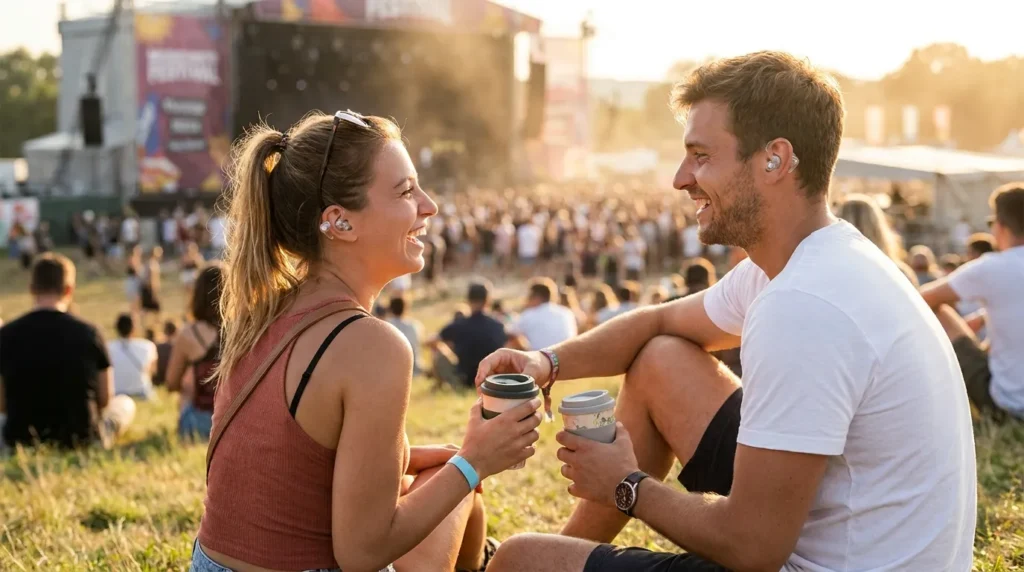
Foam earplugs cost almost nothing and fit in a pocket. They work well for concerts, sporting events, and loud tools around the house.
If you’re regularly around machinery or firearms, over-ear muffs give you stronger protection with less effort to fit correctly.
Electronic earplugs are another option worth knowing about. They let you hear conversations normally but clamp down the moment sound spikes to a dangerous level. That makes them useful for people who need to stay alert, like security staff or hunters.
According to Johns Hopkins Medicine, simple hearing protection like earplugs and protective earphones is one of the most direct ways to guard against noise-related damage.
Keep a pair in your car, your bag, and your desk drawer. Protection only works if it’s actually with you when you need it.
I used to always forget my earplugs until I was already at a loud event. Now, I keep a tiny pair on my keychain so I am never caught without them. It is a simple change that saved me from making the mistake of using rolled-up napkins, which do almost nothing to block out dangerous noise.
Picture a Fourth of July fireworks show. The people standing closest without any protection are usually the ones who leave with ringing ears that lasts for days. A cheap pair of foam plugs prevents nearly all of that damage.
One tip that trips people up: earplugs reduce sound, they don’t block your ability to think or react. You can still hear voices and warnings around you, just at a safer volume.
That balance matters, especially in public settings where being aware of your environment is just as important as protecting your ears.
Keep Your Distance From the Noise Source
Sound weakens the farther you get from where it starts. This is basic physics, and it’s one of the easiest tools you already have.
Noise behaves a lot like heat from a fire. Standing close makes it intense. Stepping back even a few feet makes it manageable fast.
At a concert, standing near a wall instead of right against the speaker stack can lower your exposure significantly. At a fireworks show, staying back from the launch site does the same thing.
A good benchmark is roughly 500 feet from something as loud as a fireworks launch site. That distance alone can make the difference between ringing ears and a comfortable night.
This habit matters even more in dense settings. If you’re staying safe in large crowds at events or festivals, positioning yourself thoughtfully protects more than just your hearing.
It also gives you room to move, see exits, and stay comfortable for the whole event instead of leaving early.
A simple rule to remember: if you have to shout to be heard by someone an arm’s length away, the noise around you is already loud enough to cause damage.
Take Regular Breaks From Loud Environments
Your ears need recovery time, the same way your muscles do after a workout.
If you’re at a loud event for several hours, step outside every 30 to 60 minutes. Even five minutes in a quieter space gives the tiny hair cells inside your inner ear a chance to rest.
Skipping this recovery time is one of the most common reasons people leave events with ringing that lasts for days.
Picture a three-hour concert. Fans who step outside for a few songs partway through often leave with far less ringing than those who stay at the rail the entire time.
That short break makes a real difference.
This applies outside of concerts too. If you run or cycle at night, lowering your headphone volume and taking listening breaks protects your hearing without cutting your workout short.
It also keeps your ears free enough to hear traffic, other people, or anything else you need to notice around you.
None of these three habits require special training or a big budget. They just require you to treat your hearing as something worth protecting, before the damage shows up.
Choosing the Right Hearing Protection for Your Situation
Not all ear protection works the same way. The gear you use for a rock concert isn’t the gear you should use at a shooting range.
Choosing the right gear can be confusing with so many options available. Watch this expert breakdown by professional audiologists to see which type of protection actually works best for your specific lifestyle.
Every earplug and earmuff comes with a Noise Reduction Rating (NRR), printed right on the package. A higher number means stronger protection.
For everyday noise like lawn equipment or traffic, an NRR of 20-25 is usually enough. For firearms or heavy machinery, look for something rated 30 or higher.
Custom-Molded Earplugs for Regular Exposure
If you’re around loud noise often, whether through work or a hobby like music, custom-molded earplugs are worth the investment.
They’re shaped to your exact ear canal, so they seal better than generic foam plugs. A better seal ensures you actually get the full decibel reduction promised by the NRR rating, whereas poorly fitted foam plugs often leak sound and provide much less protection than advertised.
Musicians and audio engineers often use these because they cut volume evenly across all frequencies. That means you still hear the music clearly, just at a safer level instead of a muffled one.
Track Your Noise Exposure With Free Tools
Most smartphones now include a built-in decibel meter, or you can download a free sound level app in seconds.
Checking the reading during a loud event takes the guesswork out of the situation. If your phone shows 90 decibels or higher, that’s your signal to step back or put in earplugs. While mobile apps help on the go, many modern smart home safety devices for family protection now include noise sensors that alert you if indoor sound levels — like a home theater or high-volume music — reach levels that could harm your children’s sensitive hearing.
This habit pairs well with other everyday safety tools. The same instinct that makes you check personal safety apps for loved ones before heading out at night applies here too. A quick check takes seconds and protects something you can’t get back.
Protect Your Hearing During Your Commute
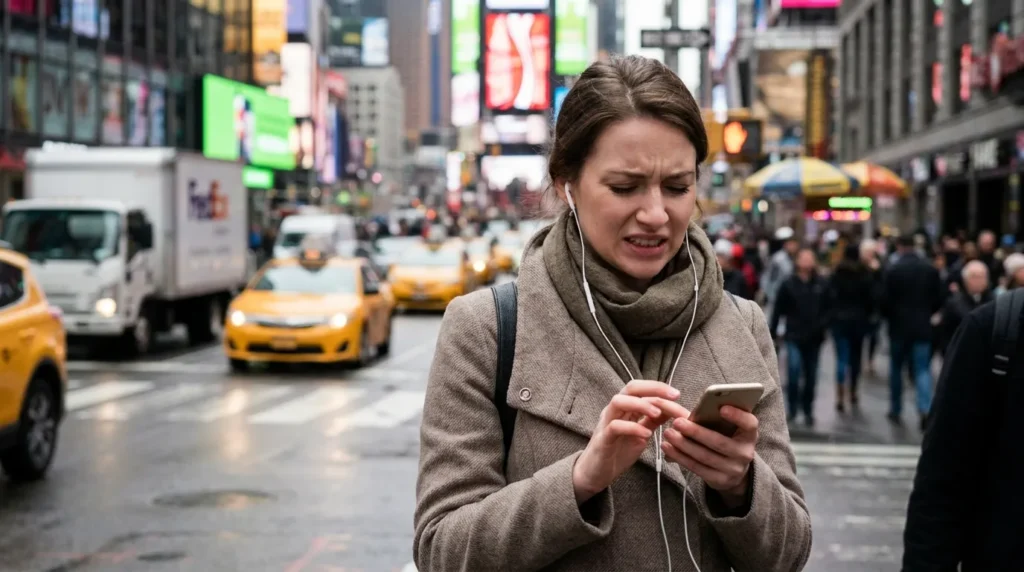
If you use headphones during a daily commute, you’re likely exposing your ears to more noise than you realize. Subway platforms, bus engines, and street traffic all add background noise that pushes you to turn the volume up further.
Noise-cancelling headphones solve this problem at the source. They block outside noise so you don’t need to compete with it, which means you can listen at a much lower, safer volume. Experts often recommend the 60/60 rule: listen to music with headphones at no more than 60% of the maximum volume for no more than 60 minutes a day. This is a vital step in learning how to prevent hearing loss from headphones.
This is especially useful if you rely on public transport for your daily commute. Lower volume also keeps you more alert to your surroundings, which matters for more than just your hearing.
The same applies if you work unusual hours. Anyone handling a night shift schedule and commuting in off-peak hours benefits from the same habit, since staying alert to your environment matters even more when the streets are quieter and less predictable.
Building This Into a Long-Term Habit
None of this works as a one-time fix. Hearing protection has to become as automatic as putting on a seatbelt.
Keep a pair of earplugs in every bag you regularly carry. Set your phone’s volume limit in the settings so you can’t accidentally cross a dangerous level.
The people with the healthiest hearing at 60 aren’t the ones who got lucky. They’re the ones who built small protective habits decades earlier and never stopped.
Small, boring habits protect you better than any single dramatic fix ever could.
Mistakes That Quietly Damage Your Hearing
Even people who care about their hearing make these mistakes without realizing it.
- Relying on “toughening up” your ears. There’s no such thing as ears adapting to loud noise safely. Repeated exposure only causes more damage, not less.
- Wearing earbuds instead of proper hearing protection. Standard earbuds and headphones aren’t built to block harmful noise. They’re designed for audio quality, not protection.
- Assuming short exposure is always safe. A single gunshot or firework blast close to your ear can cause instant, permanent damage in a fraction of a second.
- Ignoring ringing in your ears after an event. Tinnitus after loud exposure is a warning sign, not something to shrug off until it goes away on its own.
- Skipping regular hearing checkups. Most adults never get a baseline hearing test, so they have no way to catch early changes before they become permanent.
Each of these mistakes feels harmless in the moment. But hearing damage builds silently, and by the time you notice a real problem, there’s usually no way to reverse it.
Frequently Asked Questions
What are the best ways to protect your ears from loud noises?
Wearing earplugs or earmuffs, keeping your distance from the noise source, and taking regular breaks are the three most effective habits. Together, they cover most everyday situations without needing special equipment.
How can headphone use lead to hearing loss, and how do I prevent it?
Headphones push sound directly into your ear canal, and turning the volume up to block outside noise makes it worse. Following the 60/60 rule and switching to noise-cancelling headphones both lower your risk significantly.
How loud is too loud — at what decibel level does hearing damage start?
Sounds above 85 decibels can cause damage with prolonged exposure, and anything above 120 decibels can cause instant harm. A free decibel meter app gives you a real-time reading whenever you’re unsure.
Can hearing loss be prevented naturally without using earplugs?
Yes, to an extent. Keeping your distance from loud sources, limiting exposure time, and lowering device volume all reduce risk, though earplugs remain the most reliable protection in genuinely loud settings.
How far should you stay from a loud noise source like fireworks or concert speakers?
A distance of around 500 feet from a fireworks launch site is a safe general guideline. At concerts, standing away from the speaker stack rather than directly in front of it makes a noticeable difference.
Your Hearing Is Worth Protecting Starting Today
Your ears don’t get a second chance. Once the damage is done, it stays done.
But that also means every small habit you build starting today actually counts. You don’t need perfect conditions or expensive gear to make a real difference.
A pair of earplugs in your bag. A lower volume setting on your headphones. A few extra feet of distance at the next loud event.
These small choices add up the same way small deposits build savings over time. Ten years from now, you’ll either be grateful you started, or wishing you had.
Start with one habit this week. Your future self, and every conversation you’ll want to hear clearly, will thank you for it.
I want to be the person who can still hear every word of a story at family dinners when I am 80. Taking care of your ears today isn’t about being boring; it is about making sure you can enjoy the sounds of life for as long as possible. Trust me, your future self will be so happy you started this habit today.
Safety Disclaimer: This article is intended for general educational and informational purposes only and does not constitute professional medical or audiological advice. If you are experiencing hearing loss, persistent ringing in your ears, or have concerns about noise exposure, please consult a licensed audiologist or healthcare provider. SecurelyLife.com does not sell any hearing protection products or services referenced in this article and receives no compensation for any recommendations made here.