Why My Doorknob Rattled at 2 AM (And What I Learned From It)
I woke up to a small metallic sound. Not loud. Just a soft, deliberate rattle coming from my front door. My heart started pounding before my brain even caught up with what I was hearing. I lay there in the dark, not moving, trying to figure out if I had actually heard it or dreamed it. Then it happened again — a slow, testing jiggle of the handle. I grabbed my phone with shaking hands and didn’t know whether to call someone, hide, or just stay silent and hope it stopped. That night changed how seriously I take my front door.
Quick Answer: If someone jiggles your door handle at night, stay quiet and still so they think no one is home, confirm your door is fully locked, check a peephole or camera if you have one, and call the police immediately if the person keeps trying or attempts to force entry. Do not open the door.
Most people don’t expect the fear to outlast the noise. It’s not just the moment itself. It’s the days after. You start flinching at every creak in the house. You check the lock three times before bed instead of once. You lie awake listening for a sound that probably won’t come back.
That kind of tension wears you down. Your body treats a strange noise at night the same way it treats a real threat — your heart rate spikes, your muscles tense, and your brain stays on alert long after the sound stops. Poor sleep the next few nights is common after an experience like this.
- You second-guess every sound the house makes, even the normal ones like pipes settling or wind against a window.
- You lose sleep because part of your brain stays “on watch” instead of fully resting.
- Family members, especially kids, can pick up on your anxiety even if you don’t say anything.
- Some people start avoiding their own front room or porch light out of habit.
None of that is dramatic or silly. It’s a normal reaction, and there are concrete steps that shrink both the risk and the fear that comes with it.
What Actually Happens When Someone Tries Your Door Handle
Is It a Burglar, or Just a Mistake?
Most of the time, it’s one of three things: an opportunistic burglar checking for an easy unlocked entry, a delivery driver or neighbor at the wrong address, or a drunk person trying to get into what they think is their own home. Convicted burglars have reported that testing the handle first, before knocking or forcing anything, is their standard first move — it costs them nothing and takes two seconds.
The front door isn’t just the most polite entry point. It’s also the most used one. Front door entries account for 34% of all break-ins, more than any other entry point, including first-floor windows at 23%. That’s exactly why a jiggled handle at night deserves your full attention instead of a shrug.
Most residential burglaries actually happen during the day, not at night. Daytime home burglaries (216,601 incidents) outnumbered nighttime ones (174,053) in the most recent year of FBI data, since burglars generally prefer targeting homes when no one is around. That doesn’t mean nighttime attempts are rare — it means a nighttime jiggle is often either a bolder, more confident attempt, or a genuine mix-up. Either way, your response should be the same.
Why Your Body Reacts So Strongly to a Small Sound
A jiggling handle is quiet. It’s not a crash or a scream. But your nervous system doesn’t wait for proof before it reacts. A perceived threat — even an ambiguous one — triggers the body’s fight-or-flight response, releasing adrenaline and preparing you to fight, freeze, or flee before you’ve consciously processed what’s happening.
That’s why your hands shake and your thoughts scatter even over a small sound. It’s not overreacting. It’s biology doing exactly what it’s designed to do.
The First 60 Seconds: What To Actually Do
This is the part people freeze on, so here’s the exact sequence:
- Freeze and listen before doing anything else — don’t call out or turn on lights right away.
- Check that your lock is fully engaged, without opening the door or touching the handle from your side.
- Look through a peephole, video doorbell, or a nearby window at a safe angle — never crack the door open to check.
- Move toward a room with a phone and a door that locks, ideally one away from the entry point.
- Call the police the moment the jiggling continues, a key gets tried, or you hear anything that sounds like force.
If you’ve ever wondered whether your own bedroom door adds a second layer of protection during moments like this, it’s worth reading about how to secure a bedroom door from the inside as a backup safe point.
I’ll admit I made a mistake the first time this happened to me. I turned on my porch light immediately, thinking it would scare the person off. It might have — but it also told them exactly where I was standing inside. Now I keep interior lights off and let an exterior motion light do that job instead, since it doesn’t reveal my position.
Watch This Before You Do Anything Else Tonight
If you want to see exactly how easily a standard door handle can be tested and manipulated from the outside, this short video breaks it down better than any description can.
How Do You Actually Stop This From Happening Again?
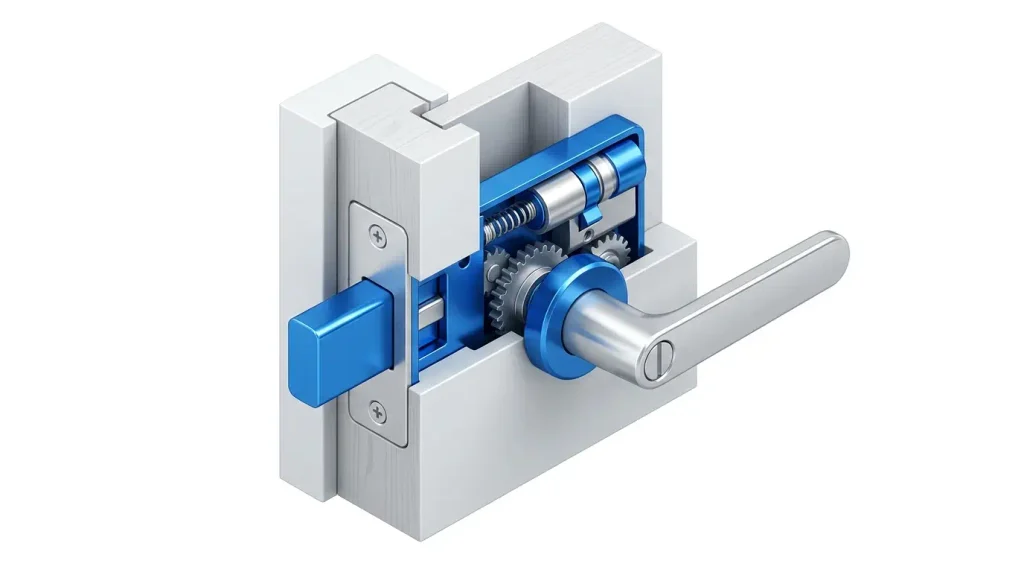
A jiggle test only works on doors that give the tester something to work with — play, wobble, or a weak strike plate. Fixing that removes the temptation entirely.
Upgrade what the handle is attached to. A standard interior doorknob lock isn’t built to resist testing or force. A 1-inch deadbolt throw paired with a reinforced strike plate secured with 3-inch screws into the door frame’s stud makes jiggling and kicking far less effective. If you’re unsure whether your current setup holds up, this breakdown on how to reinforce a door against forced entry walks through the weak points most homes have.
Add a visible deterrent. A motion-activated light with a 270-degree detection range mounted near the entry point does two things: it removes the darkness someone needs to work quietly, and it signals the home is monitored. Homes with visible security measures are consistently reported as less attractive targets by convicted burglars.
Consider a smart lock with activity alerts, especially if you want a notification the moment the handle or lock is engaged, rather than relying on hearing it yourself. If you’re torn between upgrading to electronic security or sticking with a heavy-duty mechanical lock, this comparison of smart locks versus deadbolts lays out the real trade-offs.
Fix squeaky or loose handles regardless of the cause. A loose handle mechanism jiggles louder and easier, which paradoxically makes both mistaken visitors and testing burglars linger longer at your door instead of moving on quickly.
Free and Low-Cost Fixes You Can Do Tonight
- Tighten the two screws on your interior door handle plate; a loose handle is easier to manipulate and rattles more.
- Add a door chain or slide bolt as a secondary lock that doesn’t require replacing hardware.
- Wedge a door security bar under the handle for an extra physical block at night.
- Keep a charged phone on your nightstand, not charging in another room.
- Ask a neighbor to be your “check-in” contact for late-night incidents, so you’re not calling police for every ambiguous sound alone.
Smart Lock vs. Reinforced Deadbolt: Which Fits Your Situation?
| Feature | Smart Lock | Reinforced Deadbolt |
|---|---|---|
| Alerts you when tested | Yes, via app notification | No, manual check only |
| Cost | Higher (device + setup) | Lower (hardware only) |
| Works during power/Wi-Fi outage | Depends on battery backup | Always mechanical |
| Best for | Renters, remote monitoring | Budget-focused, simple reliability |
| Installation difficulty | Moderate | Low to moderate |
Neither option replaces good habits — locking up, checking the door before bed, and keeping the exterior well lit matter more than which hardware you choose.
Late-Night Checklist for Different Situations
- If you live alone: Keep your phone within reach at all times after dark, and tell one trusted contact your general nightly routine.
- If it’s a holiday or you’re away often: Use timer-based interior lights so the home never looks obviously empty, alongside checking your nighttime home security checklist before any trip.
- If you have kids in the house: Keep the explanation calm and simple — “we lock up and check windows every night” — rather than dramatic, so it becomes routine instead of frightening.
- If the jiggling happens more than once: Treat it as a pattern, not a coincidence, and consider a visible camera near that entry point, similar to fixing doorbell camera blind spots so nothing near the handle goes unrecorded.
One thing I’ve noticed after dealing with this myself over the past couple of years: the fear fades fast once the door itself actually feels solid. It’s not about eliminating every risk. It’s about removing the easy ones, so a random test at 2 AM ends in thirty seconds instead of turning into a real problem.
Two Jiggles, Not One: What a Repeat Test Actually Means
One jiggle at 2 AM is unsettling. A second one, three nights later, is data. When a door handle gets tested more than once within a short window, security researchers treat it as target scouting rather than a one-off mistake — someone is checking your routine, not just your lock.
Note the time it happened. Note whether a car idled nearby or a light was on somewhere unusual. Write it down, even in your phone’s notes app. Patterns matter more than single incidents when you eventually talk to police or a security installer.
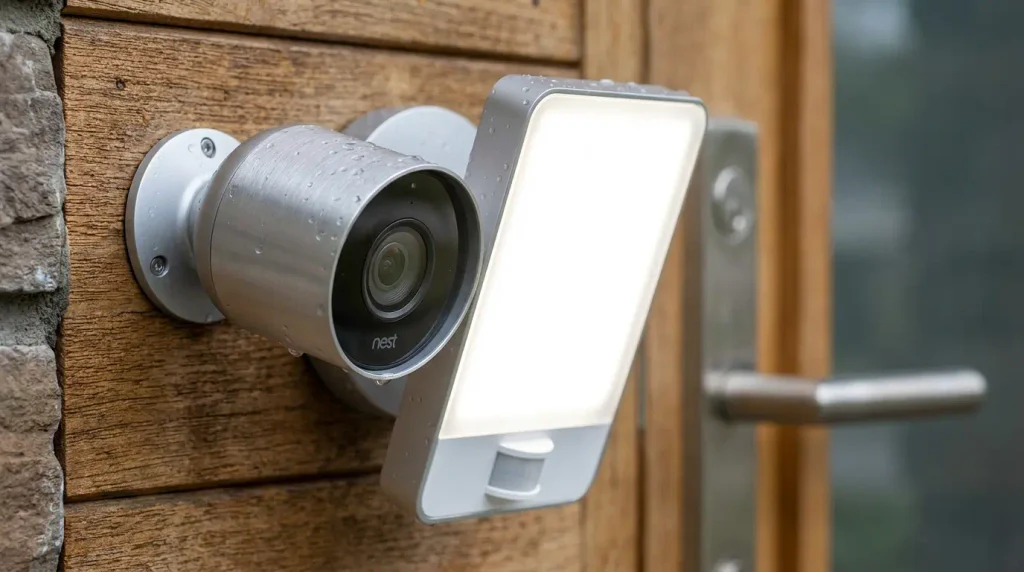
Visible deterrents work better than hidden ones for this exact scenario. A widely cited study from the University of North Carolina at Charlotte surveyed 422 convicted burglars and found that roughly 60% would avoid a property with a visible security camera or alarm system altogether. The word “visible” carries the weight here — a camera tucked inside a window doesn’t do this job. One mounted at eye level near the handle, catching anyone who reaches for it, does.
Layering your defenses beats relying on one strong feature. A reinforced deadbolt stops the door from opening. A camera identifies who tried it. A motion light removes the cover of darkness they were counting on. None of these alone eliminates every risk, but stacked together, they change the math for anyone testing your home. If you haven’t looked into whether a motion sensor light actually deters burglars, it’s one of the cheapest layers you can add this week.
There’s a financial upside too, and it’s one most homeowners never ask about. Several major insurers offer discounts of up to 15% on homeowners insurance premiums for homes with deadbolts, alarms, or monitored security systems. That’s not a reason to buy gadgets you don’t need, but it’s worth a five-minute call to your provider before your next renewal.
Consistency beats intensity. A $40 motion light checked twice a year protects you better than a $400 system installed once and ignored. Set a recurring reminder — the first weekend of every season works well — to test batteries, clear camera lenses, and confirm your locks still catch cleanly. If you’re on a tighter budget, even a well-placed fake security camera can influence a burglar’s decision to move on, though it won’t record anything if things escalate.
After doing this for my own place for a while now, the habit that actually stuck was the seasonal check. Everything else I tried and dropped. That one, five minutes, four times a year, is the one that’s still running.
The Response That Makes a Bad Night Worse
Fear makes people do things that feel protective but aren’t. Here’s where good intentions go wrong.
Opening the door to “see who it is.” This is the single most dangerous reaction to a jiggling handle. A locked door with a peephole tells you everything you need without exposing you to whoever is on the other side. Once that door opens, every advantage you had disappears in one motion.
Yelling a threat through the door. It feels empowering in the moment. But announcing “I have a gun” or “I’m calling the police” to someone you can’t see and don’t know anything about can escalate a situation that might otherwise have ended with them simply walking away. General safety guidance on intruder situations makes the same point: don’t confront, don’t try to apprehend, stay quiet, and wait for authorities to arrive.
Assuming it’s “probably nothing” and going back to sleep without checking the lock. This is the mistake that turns a scare into a real loss. Even if the person leaves, an unlocked or partially engaged door stays a risk until you physically confirm it. Skipping that thirty-second check because you’re tired or half-asleep is how avoidable break-ins happen.
Fixing the front door and forgetting every other entry point. A homeowner who reinforces their front door but leaves a garage side door, basement window, or sliding glass door untouched hasn’t actually reduced their risk — they’ve just moved it. If your garage’s side door has never been checked for a solid strike plate, it’s worth five minutes this weekend.
Staying quiet about it afterward. Some people don’t mention it to anyone, worried they overreacted to a stray noise. That silence costs you twice: no one else in the house adjusts their habits, and if the same person is testing multiple homes on your street, your neighbors never find out. A quick post on your local Nextdoor app or Ring Neighbors feed, describing the time and what you heard, lets nearby homes check their own cameras and stay alert too.
None of these mistakes make someone careless or foolish. They’re what fear does to reasonable people in a stressful moment. Knowing them ahead of time is what lets you skip past them when it counts.
Common Questions About Door Handle Jiggling at Night
Does a jiggling door handle always mean someone is trying to break in?
No, not always. It’s often an opportunistic test, a wrong address, or someone confused about which unit is theirs, but you should still treat it seriously since you can’t tell the difference from inside, and the safest response — staying quiet, checking the lock, calling police if it continues — works for every one of those scenarios.
Should I turn on the lights if I hear my door handle jiggling?
Keeping the house dark usually works in your favor here. Staying unlit means whoever’s testing the handle is more likely to assume the home is empty and move on, while flipping a light switch pinpoints exactly where you are inside.
Is it worth calling the police for a door handle jiggle if nothing else happens?
Yes, it’s worth reporting even if the person leaves without incident. A single non-emergency report helps police log a pattern for your street, and if the same thing happens again, you’ll already have a record tied to your address.
What’s the fastest, cheapest fix for a door that’s easy to jiggle open?
Tightening the strike plate screws and swapping in 3-inch screws that reach the door frame’s stud is the fastest low-cost fix, often taking under fifteen minutes with a basic screwdriver. It won’t replace a full deadbolt upgrade, but it immediately reduces how much give the door has when tested.
Can a smart lock actually stop someone from jiggling my door handle?
A smart lock can alert you the moment it’s tested or tampered with, but it doesn’t physically resist force any better than a quality mechanical deadbolt does. Think of it as adding awareness, not armor — pairing it with a solid frame and strike plate gives you both.
Your Door, Your Peace of Mind Starting Tonight
You now know more about why door handles get tested, what your body does in that moment, and exactly how to respond, than most homeowners ever bother to learn. That knowledge alone puts you ahead of an opportunistic tester looking for the path of least resistance.
None of these steps make your home completely immune to every risk — no lock, camera, or habit does that for anyone. What they do is stack the odds heavily in your favor, turning your home from an easy target into one that takes real effort to test twice.
I still think about that first night sometimes, but not with the same fear I used to. My door doesn’t rattle the way it did back then, and honestly, neither do my nerves. If a random jiggle brought you here tonight, take the fifteen minutes to check your strike plate before you go back to bed — future you will sleep a little easier for it.
I’m sharing this from my own scare as a homeowner, not as a locksmith or security professional. If you’re planning bigger upgrades — new locks, a monitored alarm, structural reinforcement — a local locksmith or licensed contractor is still your best next step to make sure everything is installed correctly.