Getting Sick or Having a Medical Emergency Abroad: What Actually Happens
Most people don’t think about what happens if their body fails them in a place where nobody speaks their language. I didn’t either, until it happened to me on a trip that had nothing planned for it.
I was three days into a solo trip when a stomach pain that started as “probably something I ate” turned into something I couldn’t stand up straight through — the kind of thing you’d normally chalk up to something in the local water or food until it clearly wasn’t just that. My phone had no local SIM data yet. My hotel was a twenty-minute walk from anywhere. And for about ten minutes, I just sat on the floor of my room with no idea who to call.
That gap — the not knowing — is the part nobody warns you about. Not the pain itself. The blank space where a plan should be.
If you travel enough, this happens to someone you know, or it happens to you. It’s not rare. It’s just rarely talked about before it happens.
Here’s what actually goes wrong for most people in that moment, and it’s rarely just the illness:
- They can’t describe their symptoms. Pointing at your stomach only tells a doctor so much, and pain that feels sharp to you might get treated as minor if the words don’t translate right.
- They assume “emergency” works the same everywhere. It doesn’t. Some countries route ambulance calls through police dispatch. Some require you to pay before treatment even starts, insurance or not.
- They find out their coverage has a catch — a missed 24-hour notification window, an “extreme sports” exclusion, a policy that only pays after you’re home — right when they can least afford the surprise.
- They lose the ability to think clearly. Pain and adrenaline together make people agree to treatments, transport, or bills they’d never accept with a clear head.
- Their travel companions carry the weight too, trying to find a pharmacist who speaks English while you’re the one who’s sick.
None of this means don’t travel. It means the ten minutes I spent frozen on a hotel floor didn’t have to happen, and yours doesn’t either.

6 Steps to Handle a Medical Emergency Abroad
The most important step is knowing your first three moves before you need them. That’s really what changes how the next few hours go, more than luck does.
Step 1: Call For Help the Right Way, Immediately
Don’t wait it out until morning “to see how you feel.” In a country where you don’t know the medical system, the first hour matters more than it does at home.
Learn your destination’s emergency number before you land, not after. In most of the European Union it’s 112. In much of Latin America and Asia, police, ambulance, and fire have separate numbers that don’t match what you’re used to — a five-minute search on your destination country’s government tourism page before departure saves you from guessing while you’re in pain.
If you’re in a hotel, call the front desk before you call anyone else. This is exactly why it’s worth knowing your hotel room’s security setup on check-in day, since staff who already know your room number and floor move faster in an emergency. Hotel staff deal with guest emergencies far more often than you’d think, and they can talk to the ambulance dispatcher in the local language while giving your exact room and street address, which is often the hardest part for a panicked visitor to communicate.
If you’re out in public, look for a uniformed transit or tourism staff member rather than a random stranger. Pointing to your chest or stomach and saying “hospital” or “doctor” gets understood in most places — those two words travel further than people expect.
One thing I’d tell my past self: I spent almost five minutes trying to type my symptoms into a translation app with shaking hands before I thought to just call the front desk instead. The tech is useful, but a real person who already knows how the local system works will move faster than you scrolling through an app.
Watching someone walk through this in real time makes the steps stick a lot better than reading them. Here’s a short breakdown of how a hotel-based emergency call typically goes, start to finish:
Step 2: Call Your Insurance Line Before You Assume You Can’t Afford Care
Once you’re stable or on your way to a clinic, call the 24-hour assistance number on your policy — not the general customer service line, the emergency one. Keep your policy number saved as a photo on your phone and written on paper tucked in the same spot where you keep your cash and passport, since your phone might be at low battery exactly when you need it most.
Your insurer can often do more than pay later. Many can connect you to a “direct billing” hospital where they pay the facility directly, so you’re not putting a large charge on your own card and waiting weeks for reimbursement. According to the U.S. State Department’s guidance for Americans abroad, the availability and quality of medical care varies enormously by location, which is exactly why an insurer that already knows the region matters more than searching blind.
Step 3: Break the Language Barrier With More Than Just an App
A translation app helps, but it works far better if you prepare it before you’re sick rather than during. Type out your allergies, current medications, and blood type into a notes app and translate that list into the local language before you leave home — not while you’re in pain and your hands are shaking.
Use the camera-translate feature for anything you’re asked to sign, especially consent or payment forms, so you know what you’re agreeing to before it happens.
Learn the generic name of anything you take regularly. Brand names don’t travel well — asking for “Tylenol” in most of the world gets you a blank stare, but “paracetamol” is understood almost everywhere. Write the generic names on the same card as your allergy list.
Step 4: Know When the Embassy Actually Helps
Your embassy or consulate can’t pay your medical bills, but they can point you toward English-speaking doctors, contact your family if you’re unable to, and issue emergency travel documents if you lose your passport while all this is happening. The CDC’s pre-travel checklist specifically recommends saving embassy contact details and letting family know how to reach that office before anything goes wrong — not after.
Step 5: Choose the Right Hospital
| Factor | Public Hospital | Private / International Hospital |
|---|---|---|
| Typical cost | Lower, sometimes free for emergencies | Higher, often requires upfront payment or insurance pre-approval |
| English-speaking staff | Less consistent, varies by country | More common, especially in major cities |
| Wait times | Can be long for non-critical cases | Usually shorter |
| Direct billing with insurers | Less common | More common with premium travel policies |
| Best for | Life-threatening emergencies needing immediate stabilization | Ongoing care, non-critical treatment, when language matters most |
Organizations like IAMAT keep lists of vetted, English-speaking doctors in many countries and are worth checking before you travel, especially if you’re heading somewhere without a large expat community.
Step 6: Keep Every Receipt and Ask for an Itemized Bill
Once you’re being treated, it’s easy to forget paperwork completely — but this is the step that decides whether your insurer actually pays you back. Ask for an itemized bill, not just a total, since insurers need to see exactly what each charge covered, from the consultation fee to a single bandage.
Get a signed discharge summary that states your diagnosis and treatment before you leave the clinic or hospital. If you buy any medicine afterward, keep the pharmacy receipt and the box it came in.
Photograph every document the moment you’re handed it, not later that night. It’s faster, and it means you still have a digital copy even if a paper receipt gets lost in your bag.
What Belongs In Your Travel First-Aid Bag
You don’t need a full pharmacy in your suitcase, but a handful of generic-name basics cover most of what actually comes up on a trip:
- Loperamide — for sudden diarrhea, especially useful the first night when finding a pharmacy isn’t practical
- Oral rehydration salts — more effective than plain water alone if you’re losing fluids from vomiting or diarrhea
- Paracetamol or ibuprofen — for fever and pain, both widely recognized abroad by their generic names
- An antihistamine (like cetirizine) — for unexpected allergic reactions to food, insect bites, or new environments
- A basic wound kit — adhesive bandages, antiseptic wipes, and any prescription you take regularly, packed in original labeled containers
- A digital or paper thermometer — many hotel rooms and hostels don’t have one, and it’s the first thing a telemedicine doctor will ask about
Pack these in your carry-on, not checked luggage, so they’re with you even if your bag isn’t.
A Quick Phrase Guide When You Can’t Find the Words
A translation app is great, but a few memorized or written-down phrases work even when your phone is dead or your data isn’t connecting yet.
| English | Spanish | French |
|---|---|---|
| I need a doctor | Necesito un médico | J’ai besoin d’un médecin |
| Where is the pharmacy? | ¿Dónde está la farmacia? | Où est la pharmacie ? |
| I am allergic to… | Soy alérgico/a a… | Je suis allergique à… |
| Call an ambulance | Llame a una ambulancia | Appelez une ambulance |
| It hurts here | Me duele aquí | Ça fait mal ici |
Write these on a small card and keep it with your passport. It takes two minutes to prepare and can save you several confused minutes when it actually matters.
Your Middle-of-the-Night Checklist
This fits into the same pre-trip routine as any other international travel security protocol you’d build for a trip. Save this on your phone before you fly, not after:
- Local emergency number written down (not just saved as a contact — phones die)
- Insurance policy number + 24-hour assistance line, saved as both a photo and on paper
- Allergy, medication, and blood type list translated into the local language
- Embassy address and phone number for your destination
- Generic (non-brand) names for any medication you take regularly
- A photo of your passport and insurance card stored in cloud storage, not just your phone
None of this takes more than twenty minutes to put together. Most of it just takes remembering to do it before you’re the one who needs it.
The Habits That Keep You Protected on Every Trip After This One
A single emergency plan gets you through one bad day. The habits underneath it are what keep working trip after trip, long after this particular scare is behind you.
Start treating your health prep like your packing list. Most people re-pack their bag before every trip without thinking twice, but they never re-check their emergency contacts, insurance dates, or medication list the same way. Set a recurring reminder for the week before any trip to update these three things specifically.
Rotate your “go bag” documents every few months, not just before travel. Phone numbers change, insurance policies renew with new numbers, and a doctor’s note from eight months ago may not reflect a new prescription. A five-minute phone update twice a year keeps this current without becoming a chore.
Modern travel insurance has quietly gotten better at solving the exact problem that used to leave people stranded. Telemedicine add-ons, now common on many mid-tier policies, let you video-call a doctor for a rash, a mild fever, or a question about whether something needs an ER visit at all. This keeps you out of a crowded, unfamiliar clinic for the cases that don’t need one.
If you’re the type who travels often for work or as a digital nomad, it’s worth building a repeatable pre-trip routine instead of starting from scratch each time. Save your local-language symptom card, your insurance contact, and your embassy number as a single note you duplicate for every new country, updating only the country-specific fields.
A low-cost habit that pays off more than people expect: photograph the inside cover of your passport and your insurance card together, in one image, right before you leave home. If either goes missing, you have both pieces of information in a single place instead of hunting through separate photos while stressed.
For anyone renting a car or motorbike abroad, medical prep and vehicle safety habits tend to overlap more than people realize — a basic first-aid kit in the glovebox, and knowing the nearest hospital along your planned route, costs nothing and takes ten minutes at pickup.
None of these habits are complicated. They’re just easy to skip when nothing has gone wrong yet, which is exactly why building them into a routine matters more than remembering them once.
Where Good Travelers Still Get This Wrong
Even people who plan carefully make mistakes here, usually because stress narrows their thinking right when they need it most.
Waiting to “see if it gets better” is the most common one. A mild fever or stomach ache that’s ignored for two days can turn into something that needs hospitalization, when the same issue treated on day one might have been a same-day clinic visit.
Buying medication from an unofficial source causes more problems than people expect. A market stall or an unfamiliar pharmacy without proper labeling can’t guarantee what’s actually in the pill, and mixing an unknown drug with something you’re already taking can cause a reaction nobody saw coming.
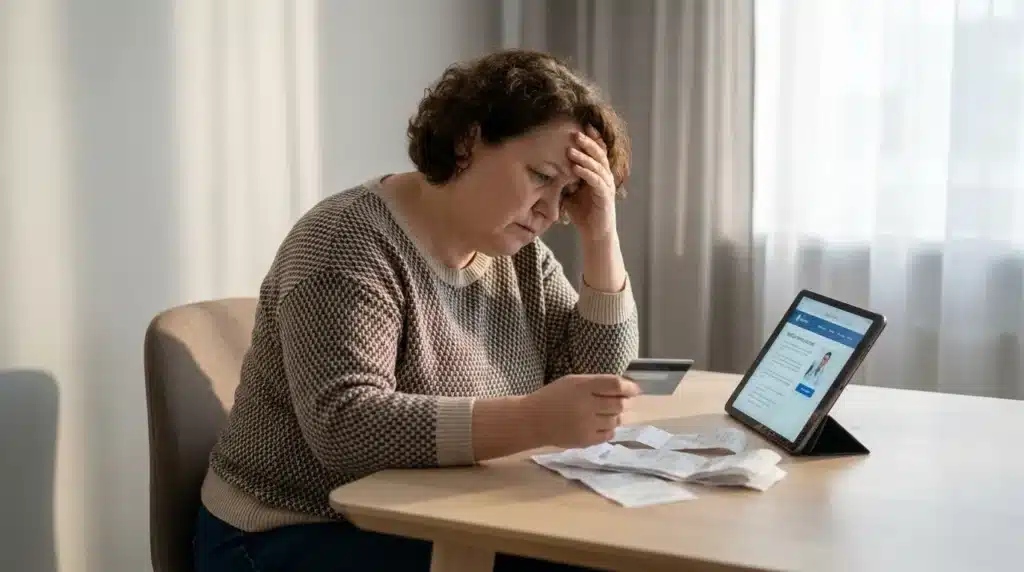
There’s also a timing mistake buried in the fine print of most policies. Some insurers require you to call them within 24 hours of being admitted to a hospital, and if you call three days later because you were focused on getting better, they can refuse to cover those first few days entirely.
“I once left a pharmacy with a small stack of receipts and no idea which one covered what. It took me three emails and two weeks to reconstruct the claim my insurer needed. Now I photograph every single receipt the moment I’m handed it, which is exactly the habit Step 6 above is built around.”
Being honest with the treating doctor is another spot where fear gets in the way. Some travelers downplay a pre-existing condition because they’re worried it will affect their coverage, but a doctor working without your full history is working with less information than they need to treat you correctly.
It’s worth being clear here: none of these habits guarantee a smooth outcome. Even a well-prepared traveler can end up somewhere with limited resources. What good preparation does is significantly reduce the chances of a small problem turning into a much bigger one, and it puts you back in a position to make clear decisions instead of panicked ones.
One more mistake that’s easy to miss until it costs you: assuming every friendly local offering to “help” at a hospital or pharmacy has no motive of their own. Most people are genuinely kind, but common scams aimed at tourists sometimes follow travelers into exactly these stressful, distracted moments — a stranger who insists on “guiding” you to a specific clinic or pharmacy is worth a polite no if hotel staff or your insurer haven’t pointed you there.
Questions Travelers Keep Asking About Getting Sick Abroad
What should I do in a medical emergency abroad?
Call the local emergency number or your hotel front desk first, then contact your travel insurance’s 24-hour assistance line as soon as you’re stable. Keep your policy number, embassy contact, and a translated list of your allergies and medications saved somewhere you can reach even with a dead phone.
How do I find a doctor who speaks my language in a small town or remote area?
Your embassy or consulate usually keeps a list of local doctors who work with foreign patients, so that’s your fastest starting point. A translation app with your symptoms typed out ahead of time also helps a lot when no English-speaking doctor is nearby.
Will my travel insurance actually pay the hospital directly?
It depends on your specific plan and whether the hospital is in their network. Many mid-to-premium policies offer direct billing for inpatient stays, but smaller clinic visits often still require you to pay first and get reimbursed.
What happens if I lose my prescription medication while traveling?
Bring a photo of the original prescription and the medicine bottle to a local pharmacy, since many pharmacists can suggest an equivalent. In some countries you’ll still need a local doctor’s note before they can hand it over, which is faster if you already have your medication list translated.
Is a private hospital always the safer choice over a public one?
Not always, but for non-critical care where language and comfort matter, a private or JCI-accredited international hospital is usually the smoother experience. You can check the Joint Commission International’s list of accredited organizations before you travel if you want to know your options ahead of time.
Can I still travel if I have a pre-existing medical condition?
Yes, but you need to declare it when buying your policy, and a “pre-existing condition waiver” is worth the extra cost if it’s offered. Hiding a condition and then needing care related to it is one of the fastest ways to have a claim rejected.
Your Plan for the Next Trip You Take
Getting sick far from home is scary, but it stops being paralyzing the moment you have a plan you actually trust. The steps here aren’t about expecting the worst — they’re about making sure a bad afternoon stays a bad afternoon instead of turning into the story that defines your whole trip.
You don’t need to memorize every detail today. Just pick the one thing you haven’t done yet — saving the local emergency number, translating your medication list, or checking your policy’s direct-billing hospitals — and do that one thing before your next flight.
I’ve carried a version of this exact checklist in my phone ever since that afternoon on the hotel floor, and it’s turned every “what if” since then into something I don’t think twice about. Do the same for yourself, even if it’s just the one step you can manage today. Future you, standing somewhere far from home, will be glad you did.
Just a quick note before you go: I’m sharing this as someone who travels a lot and has dealt with this myself, not as a doctor or an insurance agent. Your own policy, your destination, and the situation on the ground can all change what actually applies to you, so it’s always worth a real call to your provider and a check of your government’s travel advisory page before you fly.